
The land it gave to the park
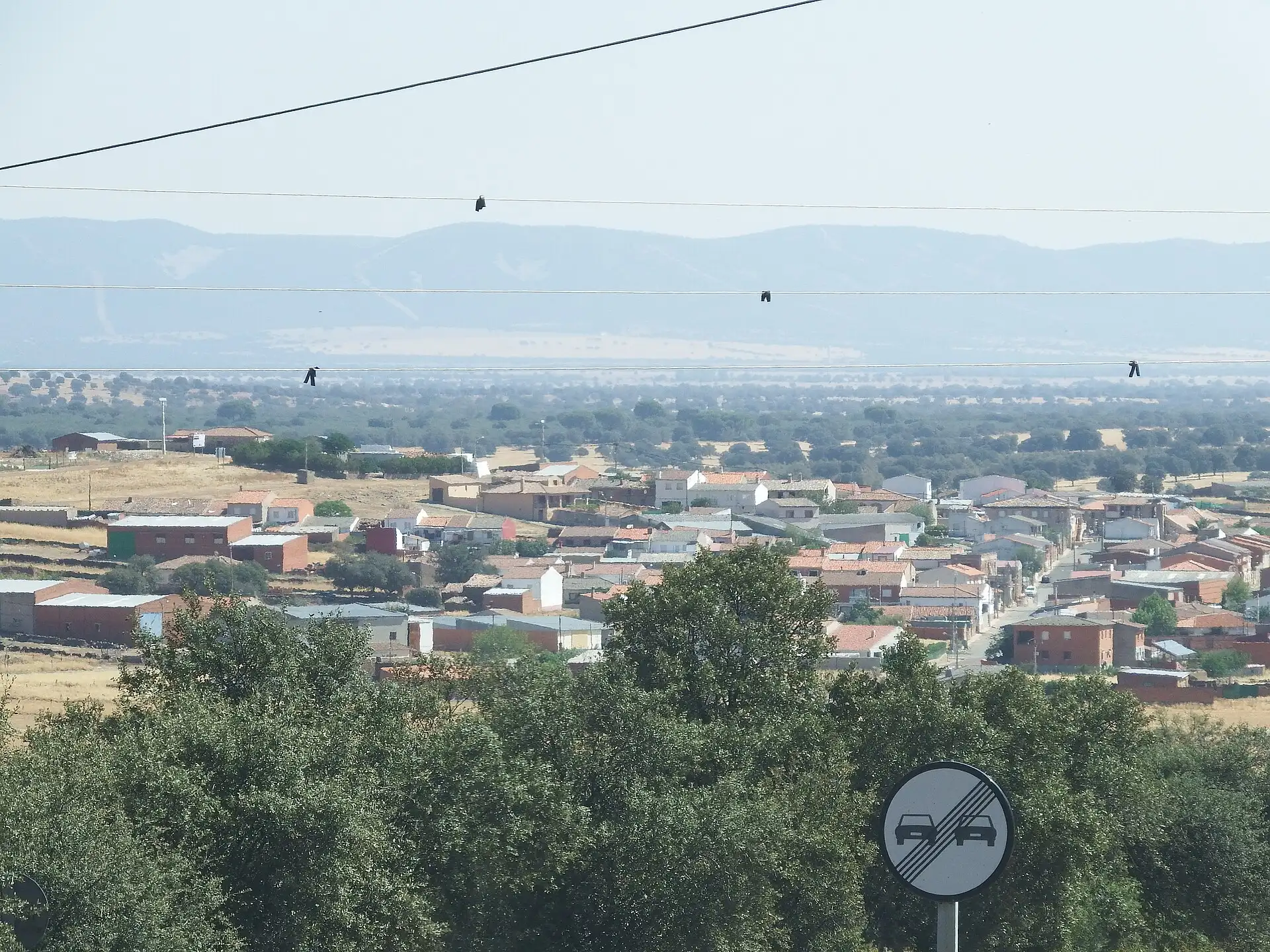
No municipality gave as much to Cabañeros as Alcoba: 18,000 hectares, according to its town council. A large part of the raña, the great plain of holm oaks where the deer gather, lies within its boundaries, and so do Casa Palillos and the stork observatory.
Its name first appears in 1105, during the Muslim occupation. In 1269, once the lawsuits with the Order of Calatrava were over, it became part of the Montes de Toledo, and life was not easy: between 1576 and 1752 the village went from seventy households to thirty-five because farming this land was so hard. Today, between agriculture, livestock and hunting, it is betting on ecotourism.
What to see
- Church of Nuestra Señora de la Consolación, from the 16th century, with an altarpiece of the same period. Its surroundings were renovated in 2024.
- Ethnographic Museum. Farm tools and traditional implements, a stone courtyard with a replica of a shepherds' and charcoal burners' hut, a miniature charcoal kiln and a very charming alcove. One of the 4×4 tours of the raña also starts here.
- Astronomical Tourist Centre. An old grain silo turned into an exhibition hall, with a geodesic dome where the sky is projected: the planets, the phases of the Moon, the names of the stars. Locals call it the planetarium, and it is the only one in the province of Ciudad Real; it is run by the company Las 7 Cabrillas. It fits the sky of the area: since 2023 Cabañeros and its villages have been a Starlight Tourist Destination. Alcoba also organises an Astronomy Festival; the first, from 6 to 8 September 2024, drew more than 400 people, and the second ran from 18 to 20 July 2025. Everything about the sky of the area is in the night sky of Cabañeros.
- The «Fight for Cabañeros» promenade. Opened on 24 April 2025, with a monolith in honour of everyone who stopped the firing range in the 1980s. It is told in the history of Cabañeros.
- La Laguna Grande. A round lagoon among olive trees, an easy walk from the village, where greylag geese, mallards, little grebes and cranes rest in winter.


