
Mammals
The mammals of Cabañeros
Mammal pages
Each species, with its data, photos, distribution map and where to see it in the park.


Introduction to mammals
Mammals descend from reptiles. In the Mesozoic similar characteristics can already be seen between reptiles and today’s mammals, but it is not until the Cenozoic that mammals expand together with birds. When the reptiles of the Secondary era died out, mammals established themselves as the dominant fauna on Earth.

Characteristic features of mammals
The most conspicuous feature that shows whether an animal is a mammal is the presence of hair and of mammary glands, from which the name mammal comes. Although there are other anatomical features, not perceptible, of internal anatomy such as:
- The articulation of the jaw.
- The type of skull and aortic arch.
- The arrangement of the ear bones.
- The development of the brain.
Types of mammals
Mammals show a great capacity for adaptation, shown by their variety of sizes and shapes compared with the rest of the vertebrates, which allows them to colonise every kind of environment. There are the terrestrial ones, which are the majority and the most representative: primates, carnivores, insectivores, rodents, artiodactyls and lagomorphs; the aquatic ones, such as cetaceans; and lastly, the aerial ones, such as bats.
There is also a great variety of sizes; you can find very large mammals, as in the case of the blue whale, up to 30 m long; and at the other extreme there is the Etruscan shrew (Suncus etruscus), which does not reach 4 cm in length and 2.5 g in weight.
People and mammals
Humans are the most evolved mammal and, since the beginning, have been closely related to the rest, sometimes domesticating them for their own good, such as pets, dogs and cats; and on other occasions as suppliers of raw materials, whether food or materials (skins, tools, etc.). An example is hunting or domestic livestock, used in farming (the domestication of oxen and horses to plough the fields).

There are many historical examples of the link between humans and mammals in every field. In the Palaeolithic, people ensured their survival thanks to hunting large wild ungulates, as we see from the tracks in cave paintings. In the far north, the Inuit have a close relationship with both land mammals, such as the reindeer, and aquatic ones, seals and cetaceans. Likewise, in desert areas, people make use of camels and dromedaries to get around.


The use of horses has also in many cases determined the course of history. In Spain we have several examples. On the one hand, the use of the horse was decisive in many battles, as in the conquest of America, an animal unknown among the Caribs, who felt terror of it, and which saved Hernán Cortés on more than one occasion. On the other, the breeding of merino sheep to produce wool during the Middle Ages helped the country’s economic expansion.

Today, the exploitation of mammals (livestock, fishing, hunting and so on) is one of the main engines of civilisation, not only for the money it moves but for the amount of raw materials it supplies, such as meat, skins, milk and numerous derivatives for industrial use. Humans need mammals to survive. That is why they must protect them.
Numbers and types of mammals in Cabañeros
In Cabañeros there are 47 species of mammals, classified as follows:
- Insectivores: 5
- Bats: 19
- Carnivores: 10
- Ungulates: 6
- Rodents: 9
- Lagomorphs: 2
It should be stressed that 44 of these species are native and that three species of ungulates have been introduced: the mouflon, the fallow deer and the Iberian ibex. The latter, extinct in the last century, has been introduced recently. Unfortunately, the bear disappeared at the end of the 17th century and the wolf left the Montes de Toledo in the 1970s.
People and their relationship with mammals in Cabañeros
The present landscape of Cabañeros is the result of human activity over thousands of years. The changes made by farming, livestock, forestry and hunting are what have shaped this singular territory. However, it should not be forgotten that these actions are largely driven by the large mammals.
A clear example is the shepherds’ need to feed a domestic mammal: the goat. When ageing vegetation lost its productive qualities, goatherds started fires in the woodland, where the famous stretches of pioneer species, such as rockroses, heathers or rosemary, later grew. These fires died out on reaching the pedrizas, so it is around these rock formations that the vegetation, shielded from fire, is best preserved.

Another transforming activity was the clearing of land in the raña areas, where farming was carried out, such as crop rotations at least every three years, and livestock in the fallow years, of stubble grazing (the season when livestock graze the stubble) and uncultivated land.
Among the livestock of these pastures, sheep, almost always of the merino breed, were raised for meat, without milk production. The cattle herd, made up of cows of the native breeds, the <<retinta>> and the <<avileña>>, was crossed with bulls of the <<Charolais>> breed in order to obtain larger calves.
The mark of this is still visible today. In those areas where livestock was most intense, there is a greater accumulation of organic matter from their droppings, which has produced quality pasture: the so-called <<madajales>>. Although goats disappeared, the remaining herds of sheep and cattle were kept up at significant densities.
However, between the 1950s and 1960s a change in activities took place, turning towards hunting use for the demographic exploitation of red deer and wild boar populations. Today that growth rate is still maintained. The present landscape of Cabañeros therefore can only be understood in terms of the boom in hunting and the transformations it brings.
When the Park was created, farming and livestock activities were halted. Meanwhile, in the mountains, red deer and wild boar flourished, thanks in part to the shelter and calm of the woodland and to the food from the scrub and the pastures of the rañas, which they used without competition. It is in this period, from the 1960s on, that the shift of predominance in favour of game animals takes place.

Extinct mammals in Cabañeros
Several extinctions have been documented in recent centuries in the Montes de Toledo, of both large and small mammals, although the latter were surely unnoticed. Two carnivores stand out: the brown bear and the Iberian wolf; and one ungulate: the Iberian ibex.
Brown Bear (Ursus arctos)

In the 13th century, the brown bear was a common mammal in the mountains of the Montes de Toledo. In fact, Alfonso XI, in The Book of the Hunt, describes the places where the royal hunts were held, describing many of the places. Thanks to the survival of many place names, the places referred to can be located. In particular, in chapter XVI, <<«De los Montes de Toledo, et de Calatrava et de Talavera»>>, he testifies to the common presence of bears in what is now Cabañeros National Park:
<<Val de Lobiellos, as far as the Torre de Ojo Abrahen, is all one woodland, and it is good for bear, and for boar at any time. And the beaters’ stands are: one from Val de Lobiellos over the top of the ridge to the Tower; and the other from the start of the grove beyond the river to the Vecediella, so that it does not pass to La Celada, nor to Val del Agua. And the ambush stands are: one at the pass between Val de Lobiellos and El Rencon; and the other between the lodging of the Tower and Valde Lobiellos>>.
<<Val de Don Gómez, and the valley of the Fuente del Pescado, is all one woodland, and it is good for bear, and for boar in winter, and at the start of summer>>.
El Rostro, and La Sangusuela, is all one woodland, and it is good for bear, and for boar in winter, and at the start of summer, and the beaters’ stands are: one from the Laguna over the top of the ridge as far as the Sierra del Portizuelo: and the other from above the Sierra del Portizuelo as far as La Sangusuela. And the ambush stands are: one at the Portizuelo lodging, and the other at the Laguna de la Vega>>.
Alfonso XI, El libro de la Montería
Its extinction occurred in the early 18th century, when human presence increased, weakening the bear population of the Oretana range.
Wolf (Canis lupus)

This is a clear example of how human persecution can end in the extinction of a species. In the 1950s and 1960s, significant populations still existed in different parts of the Oretana range. However, the continued persecution, poisoning and trapping wiped out almost all the wolf’s presence in the range. The end came during a hunt in November 1973, on the Piedras Picadas estate, right in the national park, when the last wolf considered a native population of the Montes de Toledo was shot. In 1985, another was shot on an estate in Anchuras, probably an isolated individual from the Extremaduran population, not from the Montes de Toledo. It was therefore in Cabañeros that the wolf showed its last numbers.
Iberian Ibex (Capra pyrenaica)

This species lived in the central core of the Rocigalgo. Its last documented specimen was shot in 1859 at Ventas con Peña Aguilera. Recently, some can be found on some estates near the Rocigalgo, thanks to introductions of this species in recent years, which come from the population living in the Sierra de Gredos and belong to the subspecies Victoriae.
General description of the mammals of Cabañeros
The richness of the Cabañeros ecosystem gives visitors to the park the chance to see one of the most important mammal communities in Europe. The park holds a great diversity of species and in many cases their densities are even excessive, although the first impression is one of vegetal and biological scarcity, above all when looking at the great expanses of rockrose scrub, heathland and holm oaks.
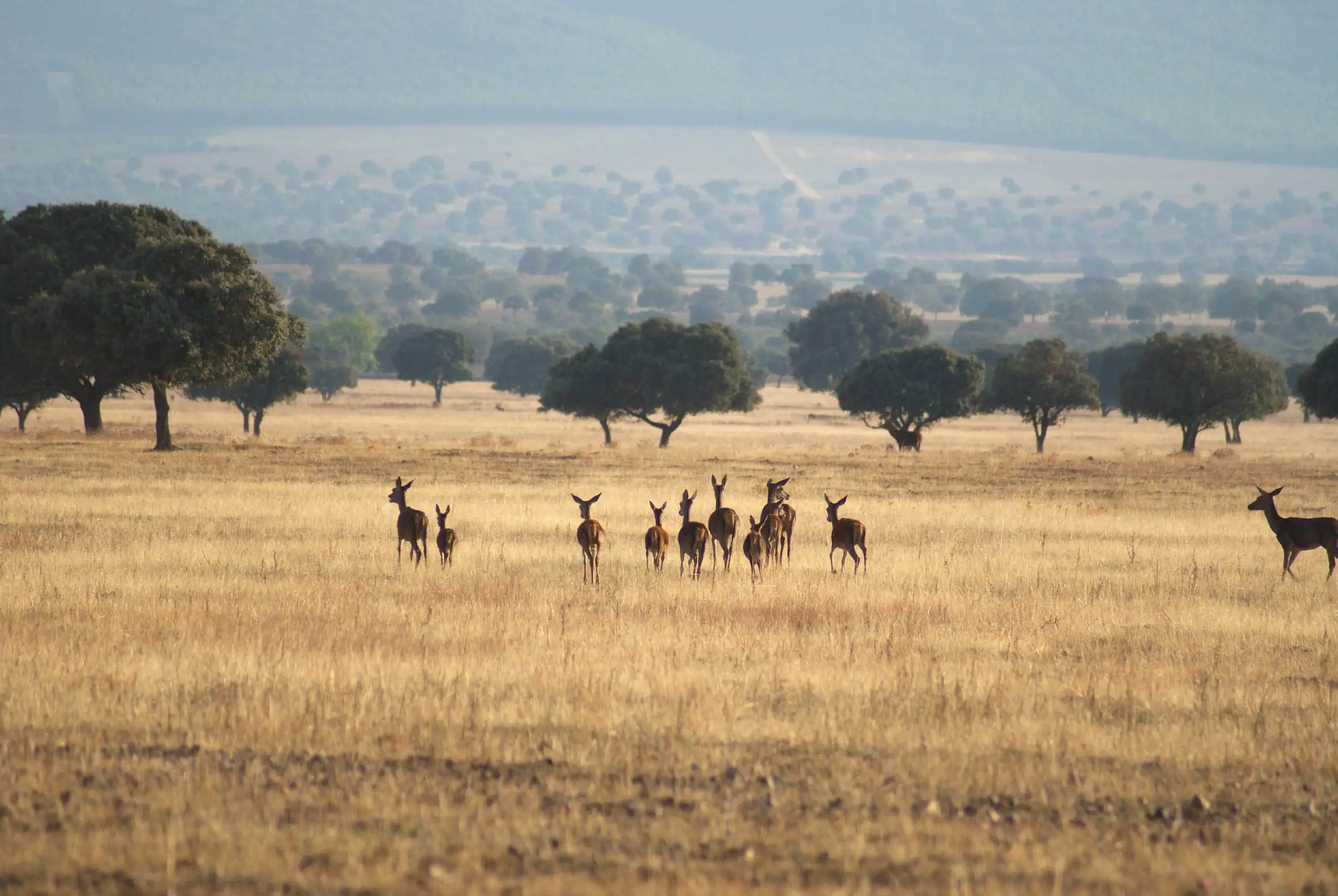
The Red Deer (Cervus Elaphus)

At the start of the 20th century the red deer was very uncommon in the Montes de Toledo, largely because of the constant, intense activity of the people working in the mountains. In fact, there is a curious inscription of 1912 on a slab of bonito at the Santo Tomé estate, in Los Yébenes, which reads as follows:
<<Today 12 November, a day of satisfaction, because here don Hipólito Simon has killed a hind>>. It could also refer to the hunter’s poor aim, but that is not the most likely.

It was the abandonment of these activities that led to the transformation of the uses of these estates in the Montes de Toledo, turning them towards the rearing of wild ungulates, especially red deer. The estates were closed with game fences and tracks, firebreaks and clearings were built that changed the landscape, creating artificial barriers for the animals.
This situation meant that in many places the capacity of the ecosystem was overloaded, which produces excessive browsing (when animals eat the leaves and the tips of the branches of trees) that can end up wiping out the vegetation. Likewise, the constant movement of these animals erodes the fertile layer of the soil and prevents the growth of pasture, which feeds the community of small and medium herbivores. Without this community, the other trophic levels come to a halt, which causes the extinction of many species. That is, if carnivores do not have their basic prey, the small and medium herbivores, their population falls. An example is the case of the lynx, which depends on the abundance of rabbits.
A few years before its declaration as a Natural Park, hunting of red deer and wild boar was stepped up in Cabañeros, reducing their populations until they reached densities suited to the capacity of the environment. Paradoxically, however, the opposite effect occurred: the rapid proliferation of the red deer, which came to have an enormous density of up to 60 deer per 100 hectares, when the ideal is not to exceed 20.

Cabañeros is one of the few places on the peninsula where the natural phenology of the red deer in its free state can be analysed. Its movements around the woodland can be seen, on the one hand to find the best food intake at each time of year; and on the other to guarantee the gene flow of the population in the rut. In the past, people living in the mountains said that during the rut, large groups of males from Cíjara moved up the Estena river to breed with the females of the Peralosas area. Today, with the estates fenced, large stags are no longer seen in the river ravines.
However, although there are many fenced areas in the park, the deer have a large area of raña and woodland in which to move freely according to their needs.
The red deer rut and its cycle in Cabañeros

In September, with the change of season and temperature, the deer come into rut. The males, called stags, to show off their strength and worth to their rivals, give hoarse sounds that are heard all over the mountains. The females, for their part, watch these confrontations with apparent indifference, where the clash of the graceful antlers harmonises with the start of autumn.
The rut is one of the most striking and attractive natural events of the peninsula. During this phase, the males, who are usually very elusive, following their breeding instinct, appear in more open areas, letting themselves be seen much more easily, even in places they rarely visit.
When the rut ends, the stags form exclusively male groups and take refuge in the scrub. The hinds, together with the young of the previous spring –the females called <<«gabarranas»>>; the males, <<«varetos»>>–, organise into large herds and make use of the pastures, settling on the plains of the rañas, as they did in their origins (formerly they were plains animals). Autumn and winter pass like this, and depending on the availability of food they shift from the raña to refuges in the scrub.

With the arrival of spring, the deer return to the thick scrub, leaving the raña almost entirely clear. This is when the stags lose their antlers, which drop off at the root of the <<rosette>>, leaving two stumps from which the new antlers will regrow at the start of summer. These must be completely ossified by the end of summer when the new rut begins.
It is curious that during this season stags without antlers can hardly be seen. It is often said that this is out of shame at being seen without their imposing masculine attributes. The hinds also hide in the rockrose scrub, but for other purposes, since they look for a cosy place to give birth to a new calf. It is usually born around May, after seven and a half months of gestation, as the saying goes: << when the rockrose flowers, the hind gives birth>>.
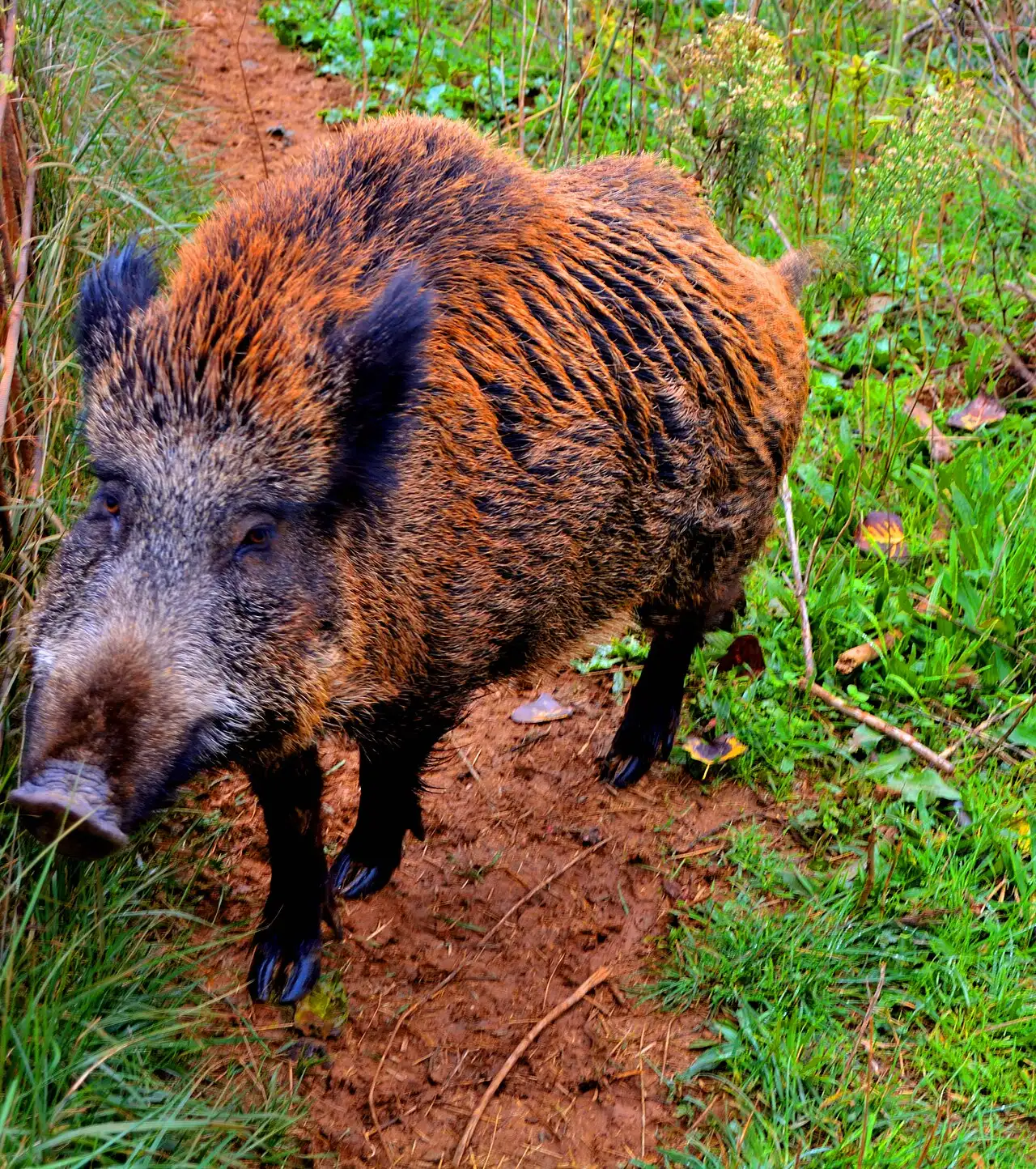
The wild boar
The wild boar increased its population, like the red deer, because of the abandonment of human activities in the woodland. Its omnivorous nature and its high reproductive rate have also contributed to the present successful development of this species in Cabañeros. Among all the food resources available to it, the wild boar can feed on various kinds of plants, on carrion and on a large number of live animals, as it is considered a very skilful predator. It also preys on nests and breeding dens.
Its predatory success is due to the power of its mouth, with its prominent tusks, striking and at the same time very dangerous, which have caused more than one upset among hunters. Its robust, muscular nose, called the <<snout («geta»)>>, is able to dig deep holes and flip stones on the ground to find roots, tubers and invertebrates. The mark this animal leaves where it passes is very obvious; in fact, it can sometimes be mistaken for that of farm machinery.
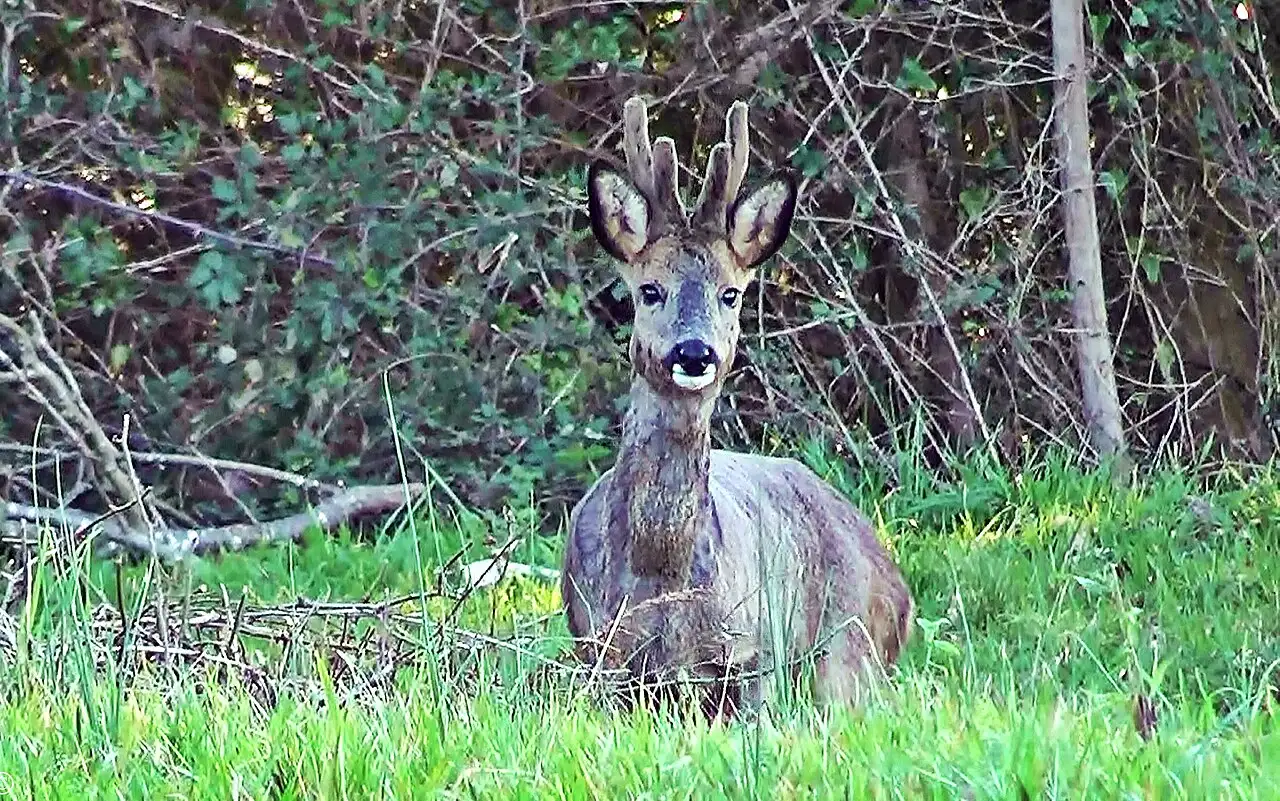
The roe deer (Capreolus capreolus)
The roe deer is a very beautiful ungulate of woodland habits that, reluctant to come down to the raña, prefers to take shelter in the woodland and graze in the valleys where the woodland is thinner. It is found in places where the red deer does not dominate, which in Cabañeros are few, as the latter exerts such strong pressure that it prevents it from settling. In these areas it has indeed managed to increase its population, and not only inside the park, but also in the rest of the Montes de Toledo, despite the continuous hunting activity.

Curiously, the increase in the roe deer population in these unprotected areas is generally due to hunters’ respect for the females of this species, on which the survival of the species depends. Perhaps it is the tenderness these beautiful animals arouse that makes people lift their finger from the trigger, although it is also true that they are animals with little meat, and of poor quality.
Unlike the red deer, the rut of the roe deer –which gives a drier, hoarser sound– takes place in high summer, from July, when it mates with the female. Its outcome, however, coincides, as roe deer young are also born in spring, the most convenient time. The females keep the embryo dormant in the uterus, at its initial stage of development, until December, when they activate gestation so that births take place in May. They can have up to three fawns at a birth.
Exotic ungulate species introduced into Cabañeros
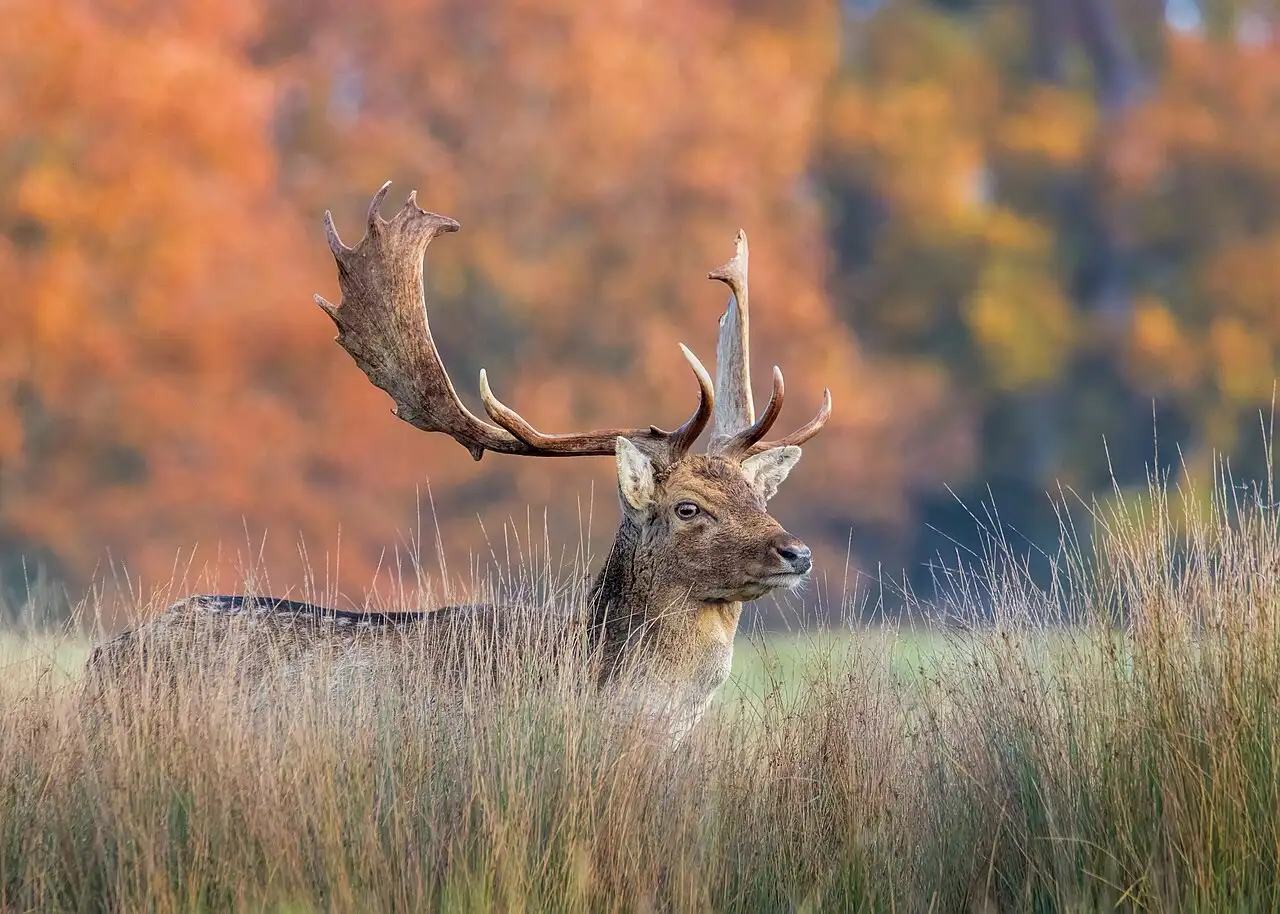
The most widespread exotic species introduced into Cabañeros are the fallow deer (Dama dama) and the Corsican mouflon (Ovis orientalis musimon).

- The fallow deer (Dama dama): the fallow deer is a species originally from Persia that was already introduced during the Roman Empire. The fallow deer present in Cabañeros come from the original populations that have remained on certain estates for centuries and from recent new introductions.

- Corsican mouflon (Ovis orientalis musimon): a small, reddish-brown sheep from Corsica. It is classed as an invasive species.

The reason for their introduction was the growing demand for hunting, which, to create a more attractive competition, diversifies the offer of trophies. The presence of this kind of species is harmful and damaging for two reasons:
- Direct competition with native species in the environment
- The possible introduction of diseases from other places that considerably affect our fauna, as happened with the rabbit or the crayfish.
The bats
They are the great forgotten ones, and there are quite a few: more than 16 species of bats have been identified in the park. According to the bat inventory, those seen most are of the genus Pipistrellus, such as the common pipistrelle, which forms groups at the Torre de Abraham, followed by Daubenton’s bat (Myotis daubentonii). The greater horseshoe bat (Rhinolophus ferrumequinum) and the greater mouse-eared bat (Myotis myotis) live in caves and are more widely spread. There are also several colonies of the Mediterranean serotine (Eptesicus isabellinus). They hunt insects and help control their pests, as well as pollinating. They are studied by the project «Bats in the national parks of Monfragüe and Cabañeros», and the park newsletter of September–October 2024 summed it up.
Trophic relationships in Cabañeros
These are the relationships that exist between living things according to their food. Ungulates, for example, are at the same trophic level as lagomorphs and rodents, because both are primary consumers of vegetation in its different forms: grasses, roots, tubers, fruit and so on. If we add the insectivores to these groups (considered primary carnivores because they eat invertebrate animals), we form the potential of usable biomass, or in other words, the food that the upper trophic level will use, in this case made up of the group of carnivores: predators and superpredators.
Among the carnivore species there are, on the one hand, those specialised in catching other animals of medium and small size; and on the other, other species, called superpredators, represented in the Mediterranean ecosystem by the wolf and the lynx, which catch larger animals, such as ungulates. Nowadays, since their representation is scarce, humans act as the direct regulator of the trophic pyramid, owing in part to the density of other mammal populations that cause great imbalances.
Lagomorphs
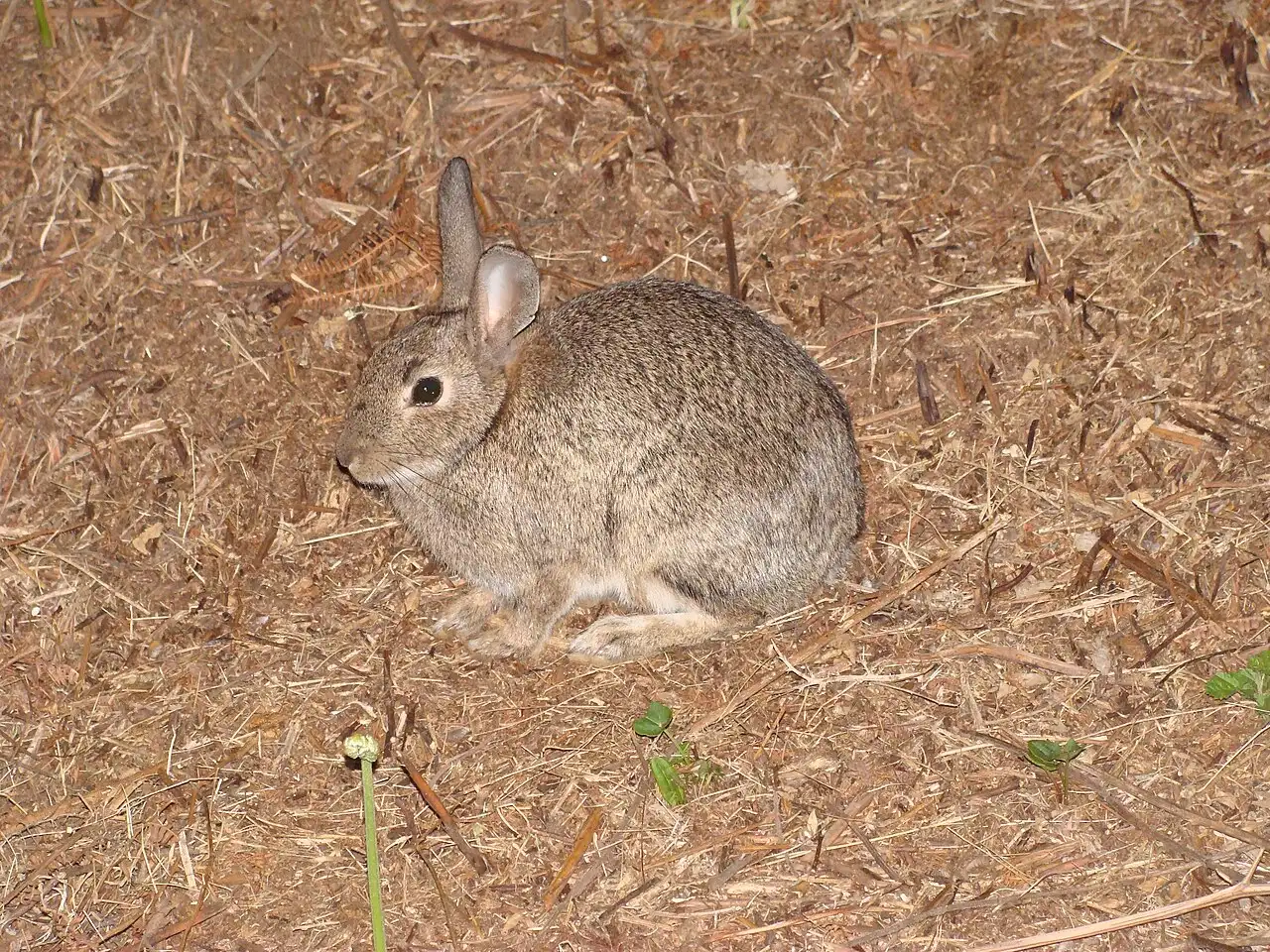
European Rabbit (Oryctolagus cuniculus)

The rabbit is a key species because of the importance it has in the food chains of all trophic ecosystems, since it is the basic link between plant-eaters and predators. In addition, the rabbit forms part of the biomass supply of more than 40 predator species, some of them specialised in catching it, such as the carnivores Iberian Lynx and European Wildcat, and the raptor Spanish Imperial Eagle. The rest of the rabbit-eating predators can adapt to its absence by turning to other prey, although if they live alongside this lagomorph, their diet is based on it.
The presence of the rabbit in Cabañeros is fragmented and very scarce. It appears only occasionally in the areas of the park with pioneer scrub, such as rockrose scrub and rockrose-heath scrub. This plant succession is the result of old fires and clearings that have not yet been massively colonised by scrub. However, the populations with the largest numbers settle in the rockrose-heath scrub produced by the most recent fires. They also have a certain predilection for ecotone zones (the natural boundary between two ecosystems) within the scrub, such as small clearings and tracks. This may be because of competition with hares and ungulates, or perhaps as a defence system in an area of intense predation, where the scrub offers strong protection.
In short, the rabbits of Cabañeros prefer the surface to burrows, whose use is limited to breeding. These, in turn, increase the risk of predation, as they are much less safe than the large warrens available to large rabbit populations. Especially because of foxes and wild boar, which are very skilful at attacking these unprotected litters.
But the rabbit population of Cabañeros, stabilised at a minimum, although without great variations, is due to other causes:
Diseases:
Myxomatosis appeared in Cabañeros at the end of the 1950s, with such a violent impact that rabbit populations have not recovered since in the Montes de Toledo. The outbreak of rabbit haemorrhagic disease in recent years has made the situation worse. Its mortality in Cabañeros has been calculated at between 45 and 60 per cent, with a greater incidence in spring.
Ageing of the scrub:
With the end of human activity (charcoal burning, grazing and so on) in the 1950s, the scrub, made up of extensive rockrose and heath thickets, has turned the woodland into a tangle of dry scrub with no herbaceous layer, which the rabbit cannot use.
Predation and competition:
Many variables have influenced the decline of the rabbit. As we have seen, the carnivore community underwent a great transformation from the 1950s. Wolves and lynxes lost their dominance as the dominant carnivore class, to make way for the so-called <<opportunists>>, such as foxes, genets and beech martens. The traditional plant-eating community made up of domestic livestock, such as cows, goats and sheep, was replaced by wild ungulates, to the detriment of the rabbit population. However, this gradual process of reduction has had several phases:
- 1940s: there is an abundance of charcoal burners and herders who keep herds of cows and goats that graze in areas now crowded with dense scrub. Rabbits are plentiful and the carnivore community that stands out is that of wolves and lynxes, which, together with people, control the scarce populations of wild ungulates.
- 1950s: two momentous events are combined that change the course of Cabañeros: the appearance of the disease myxomatosis and the end of traditional uses. The fires set by goatherds disappear and the scrub gradually takes over. By the end of the 1960s, the decline of the traditional ecosystem is plain.
- 1970s: the wolf becomes extinct and the lynx is in decline together with the rabbit. The scrub has completely invaded the old clearings and burnt areas and ungulates are its masters. Hunting becomes fashionable and Cabañeros is turned into a big-game reserve. Domestic livestock, cattle and sheep, is reduced to the great raña without encroaching on the scrub.
- Present ecosystem: wild ungulates dominate the Cabañeros ecosystem. There is no domestic livestock and the fox, together with other generalists, dominates the carnivore community, because wolves and lynxes no longer act as regulators. With no traditional use, the scrub is very old. The lynx, however, has returned: in recent years several animals have been released and in 2026 its first litter was born in the park (see the Iberian Lynx).
After this process of change, at present rabbit populations are very scarce and spread in a fragmented way over the surface of the park. Their situation is one of <<latency>>, waiting for the favourable conditions of the past to return so that they can recover their abundance.
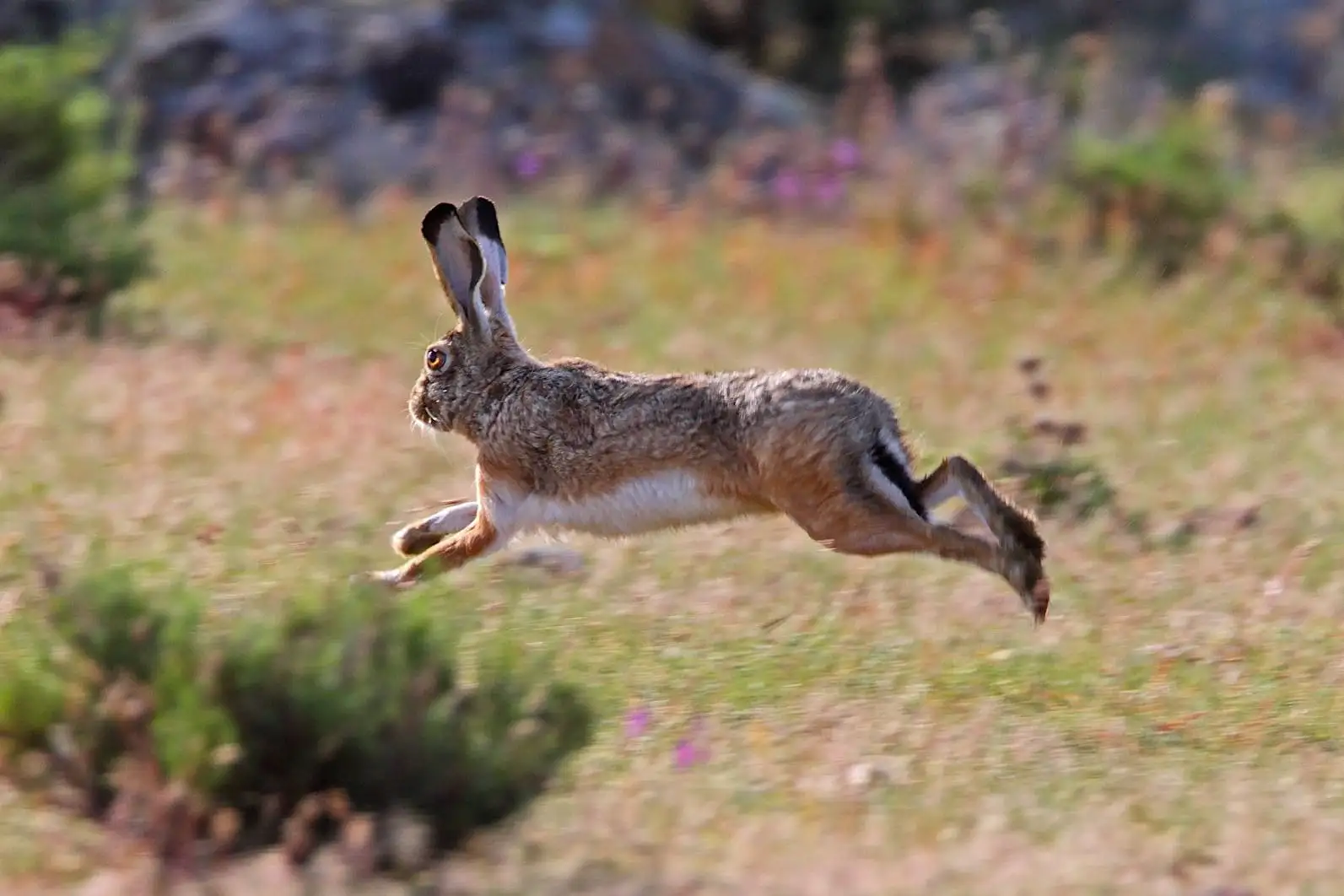
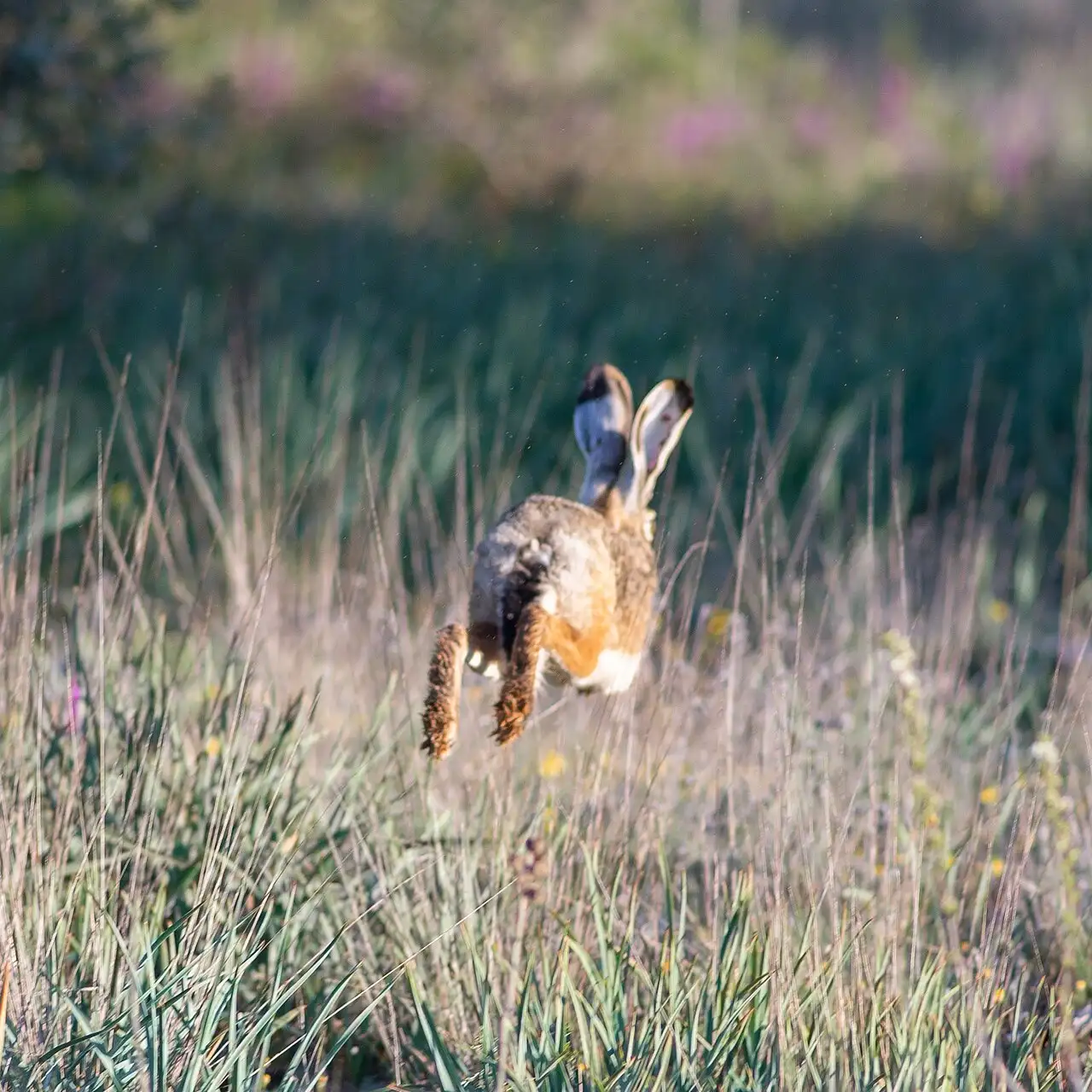
Hare (Lepus granatensis)

The hare is the other lagomorph, a relative of the rabbit, that lives in Cabañeros. The hare community inside the park is abundant in the woodland areas bordering the great central raña, especially under the vegetation of the streams that cross it. However, at times hares venture onto the rañas on their forays, which makes it easier for other species, such as the lynx and the wildcat, which do not usually enter open country, to catch them. The density of the hare in the park is estimated at about 15 individuals per 100 hectares in the most favourable areas, a respectable amount if considered as an alternative to the rabbit in places where it is not present. Without rabbits, the hare supports the potential of carnivores in Cabañeros, above all for the cats.
Small mammals
It is a group made up of small mammals, divided into insectivores and rodents. Although there are also larger species, such as hedgehogs, among the insectivores; and rats, among the rodents. The small species present tend to have high densities, especially those with great capacity for adaptation, for example mice and shrews. Others, by contrast, depend on very specific conditions of the environment and need a very particular ecosystem to live. So the lack of wetlands in recent years has contributed to the scarcity of species such as: water voles, moles and water shrews.
Insectivores
They are the most primitive group of placental mammals. Although they feed on all kinds of invertebrates, their taxonomic name reflects their main and priority food: insects. In Cabañeros and its surroundings there are five species, some on the brink of disappearing.
The hedgehog (Erinaceus europaeus)

It is the most conspicuous and largest species in the park, able to colonise all kinds of habitats. Its greatest strength against predators is its dangerous spines, which protect it from every danger except one, vehicle wheels, its main cause of death.
The mole (Talpa occidentalis) and the Mediterranean water shrew (Neomys anomalus)

These are two species that live in damp environments and whose present presence in Cabañeros is hardly documented. The people of the mountains tell of the ease with which moles built their underground galleries, above all in the meadows of the western half of the Oretana range. As for the Mediterranean water shrew, it was said that they roamed the damp meadows and bit livestock, causing them mental disorders. A probable theory because it is known that the saliva these animals secrete has neurotoxic effects. There are no references in recent years to sightings; only the presence of the Iberian mole was detected in carnivore droppings. This is surely due to the effect of droughts and the fall in ambient humidity.
The greater white-toothed shrew (Crocidura russula) and the Etruscan shrew (Suncus etruscus)


These 2 species adapt better to xerophilous environments –drier areas with less humidity–, and have therefore kept their population. Given the constant loss of mammals, it is a gift for the eyes to be able to enjoy in Cabañeros the smallest mammal in the world, the Etruscan shrew, weighing less than 2.5 grams.
Rodents
In Cabañeros there are 9 different species of plant-eating mammals. Some of these, such as the water vole (Arvicola sapidus) or the garden dormouse (Eliomys quercinus), have declined considerably. In the past, the water vole proliferated in the park’s streams and ponds, where it built a complex network of paths and galleries; and the garden dormouse settled even in inhabited places. The latter is a great nest hunter, to the point that catching it was rewarded to favour small-game hunting. Increased predation together with droughts had a notable influence on its decline.


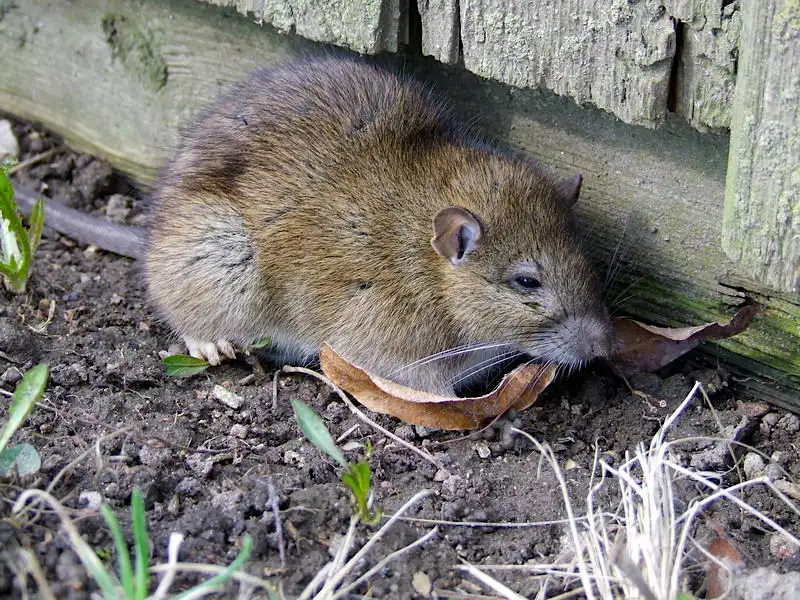
The rats of Cabañeros
There are two species of the genus Rattus in Cabañeros: the common or brown rat (Rattus norvegicus) and the black rat (Rattus rattus). They differ mainly in their habitat preferences. The common rat is a species that arrived on the peninsula in the 18th century from Asia and that colonises humanised environments. It has become a dangerous pest because of its high densities and the large number of diseases it transmits. By contrast, the black rat, with a longer, more slender tail than its relative, opts for places further from human activity. In Cabañeros, its presence is scarce thanks to the low human activity and the help of our many predators.

Mice and voles
It is the small species, such as mice and voles, that make up most of the park’s rodent biomass. The voles of the park are represented by the Mediterranean pine vole (Microtus duodecimcostatus), a typical and abundant species throughout the park, famous for building sets of mounds in meadows or in clearings in the scrub. As for the Cabrera’s vole (Microtus cabrerae), there are signs of its existence in the park from the typical network of galleries and paths that they build in areas with some degree of humidity.
The mouse of Cabañeros

However, within the small mammals there are some that stand out above the rest in terms of density in the park: the mouse species. The house mouse (Mus musculus) and the Algerian mouse (Mus spretus) are two closely related species that differ, as in the case of rats, in tail length and in behavioural preferences. Thus the Algerian mouse has a shorter tail and prefers drier areas, whereas the house mouse lives near people. Both are locally abundant.
However, these species do not reach the prominence of the wood mouse (Apodemus sylvaticus), for which, thanks to studies of the pellets (remains of undigested food that birds regurgitate) of nocturnal raptors, we know the importance this species has in the diet of many predators of the park, among which stand out: the fox, the wildcat, the genet and the beech marten. Also in small mustelids, such as the polecat and the weasel.
Given the importance of this species, its presence and abundance in different habitats of Cabañeros has been analysed by trapping. Only the wood mouse was caught, which confirms the difference in density compared with the other species. The result determined that the mature woodland covering the steeply sloping hillsides is the biotope or habitat holding the highest density of wood mice, double that at the woodland edge and triple that on the rañas, which do not offer good conditions for these small mammals.
Carnivorous predators play a decisive role in maintaining the balance of the ecosystem. This became clear after the impact of an outbreak of canine distemper, a disease that affected the main predators of the wood mouse, such as foxes, genets and beech martens; which caused the population explosion of the wood mouse.
In contrast to what happened with the rabbit when the traditional activities that created the wide expanses of scrub ceased, rodents were in fact favoured by this situation; and, as a result, it also affects the composition of their predator group in the food chain: the carnivores.
Carnivores
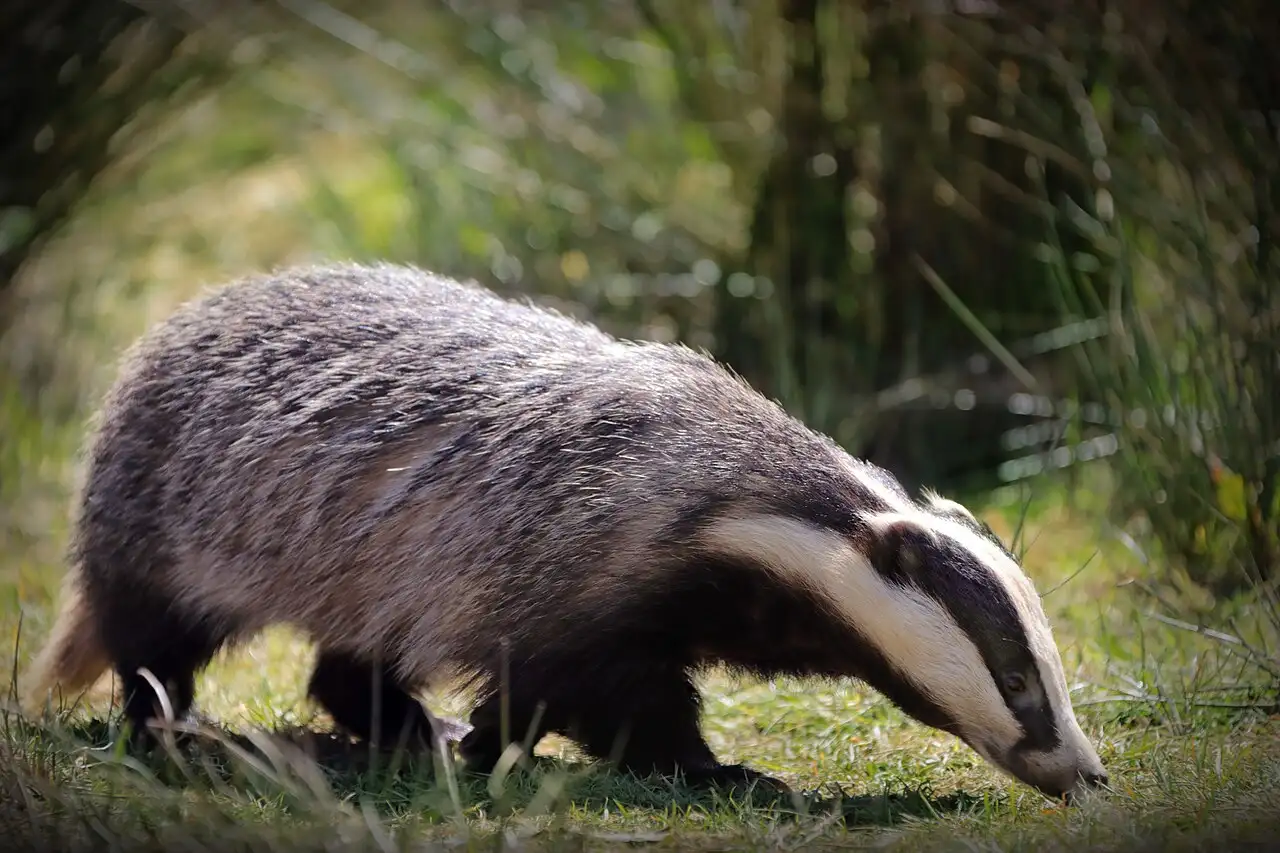
Carnivores make up the top level of the Cabañeros trophic pyramid. They are animals that arouse special interest. The beauty of their fur is a problem, as it incites many hunters to persecute them. They also have a mysterious character, appearing only at night, elusively, almost never in open spaces, at most on the ecotone edges of the scrub, where they lie up during the day. The nature of these animals complicates their study and hardly any data are known at national level; only partial information on their biology and distribution is known locally, as with the wildcat, the polecat, the badger and the mongoose.
Like other groups already mentioned, since the 1950s the carnivores of Cabañeros have undergone a great transformation, linked to changes in habitat and in other animal communities of the environment, since when one community is altered, it alters the other trophic levels.
To the already extinct brown bear and Iberian wolf must be added the Iberian lynx, an emblematic species of Mediterranean scrub found in the centre and south-west of the Iberian Peninsula. Other carnivore species have had a similar fate, and if they have not become extinct, they have drastically reduced their populations. Likewise, the transformations that took place from the 1950s have favoured a change in the dominant niche among carnivores. So that if in the mid-20th century the wolf and the lynx were the outstanding carnivore species, in recent years species such as the fox, in terms of ecological balance; and the genet and the beech marten, in abundance, have displaced their predecessors.
Those responsible for this decline are once again the wild ungulates and the rabbits, although we must not forget that most of these ecological changes happen through direct or indirect interventions by people. As for the direct ones, we must bear in mind that carnivores are a direct competitor of humans that has been persecuted, as happened with the wolf in the Oretana range, which, abundant in the 1960s, began to go extinct in the following decade.
But the turning point that marked the future of carnivores was the arrival of myxomatosis at the end of the 1950s. The fall in rabbit populations completely changed the trophic relationships of the carnivore community. Species such as the lynx and the wildcat declined as this lagomorph died out.
Right now, in Cabañeros, there are 10 species of carnivores, some too abundant and others considered rare and hardly known. The order, starting with the most numerous, is:
- Fox
- Beech Marten
- Genet
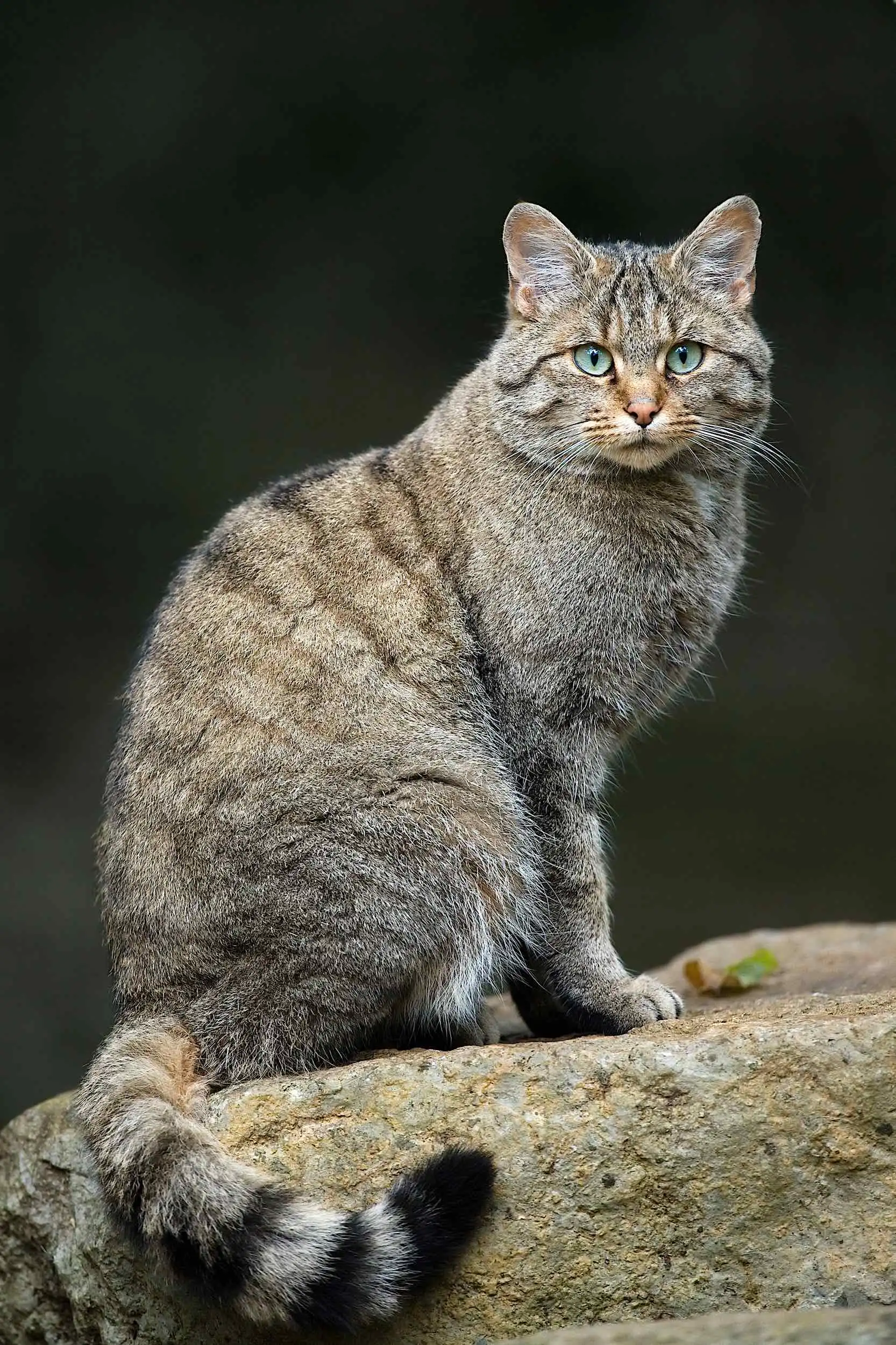
- Wildcat
- Badger
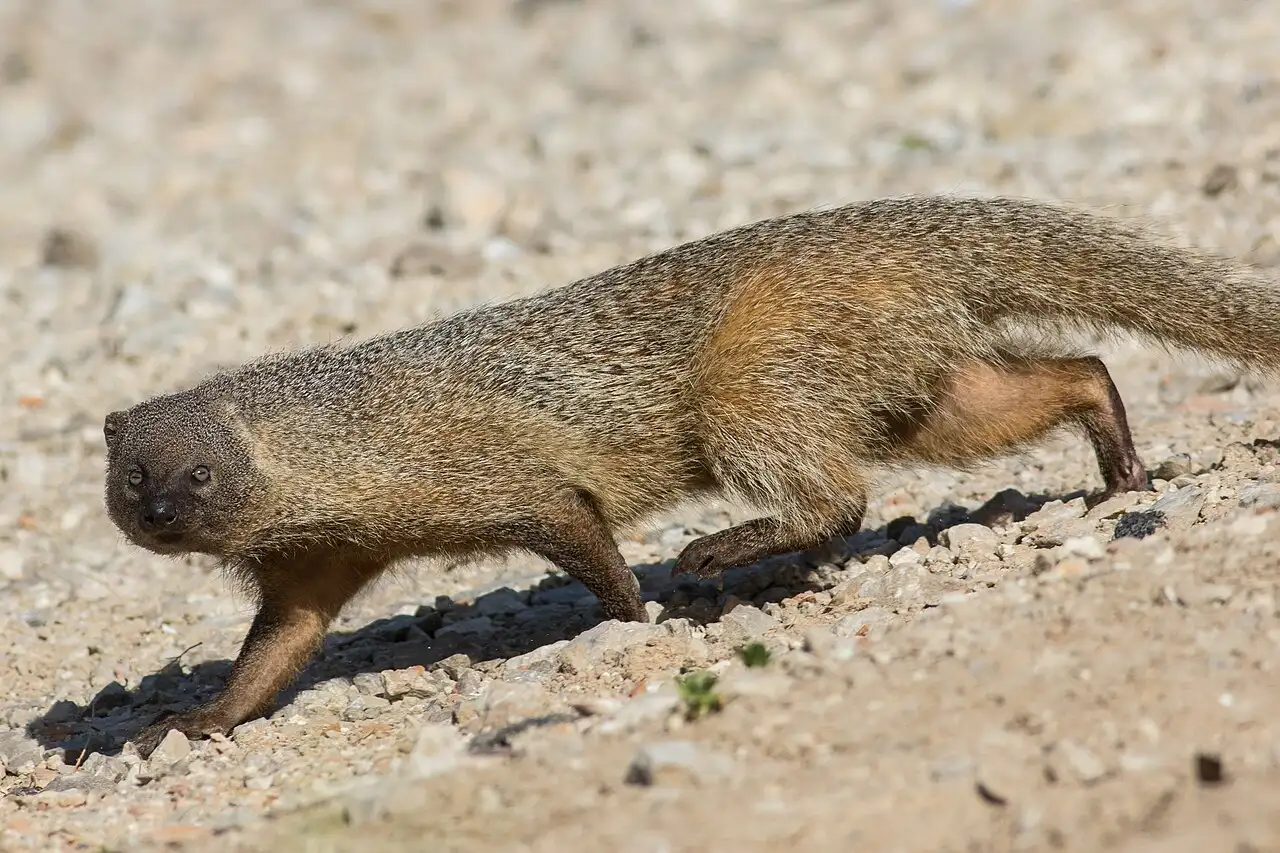
- Mongoose
- Lynx
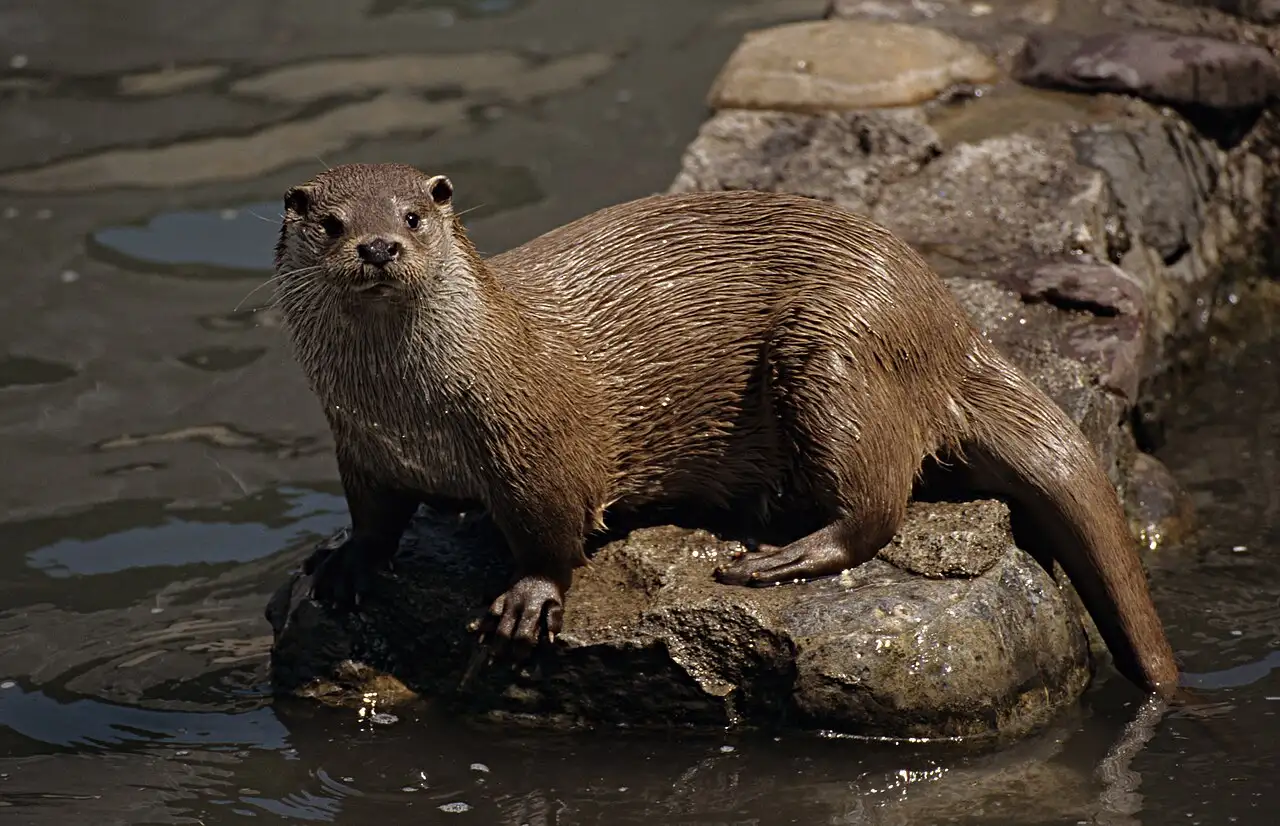
The otter is present in the Estena river and in other damp places of Cabañeros. There are also two species of mustelids whose demographic situation is unknown, the weasel and the polecat. The first is common without being abundant and the second is scarce.
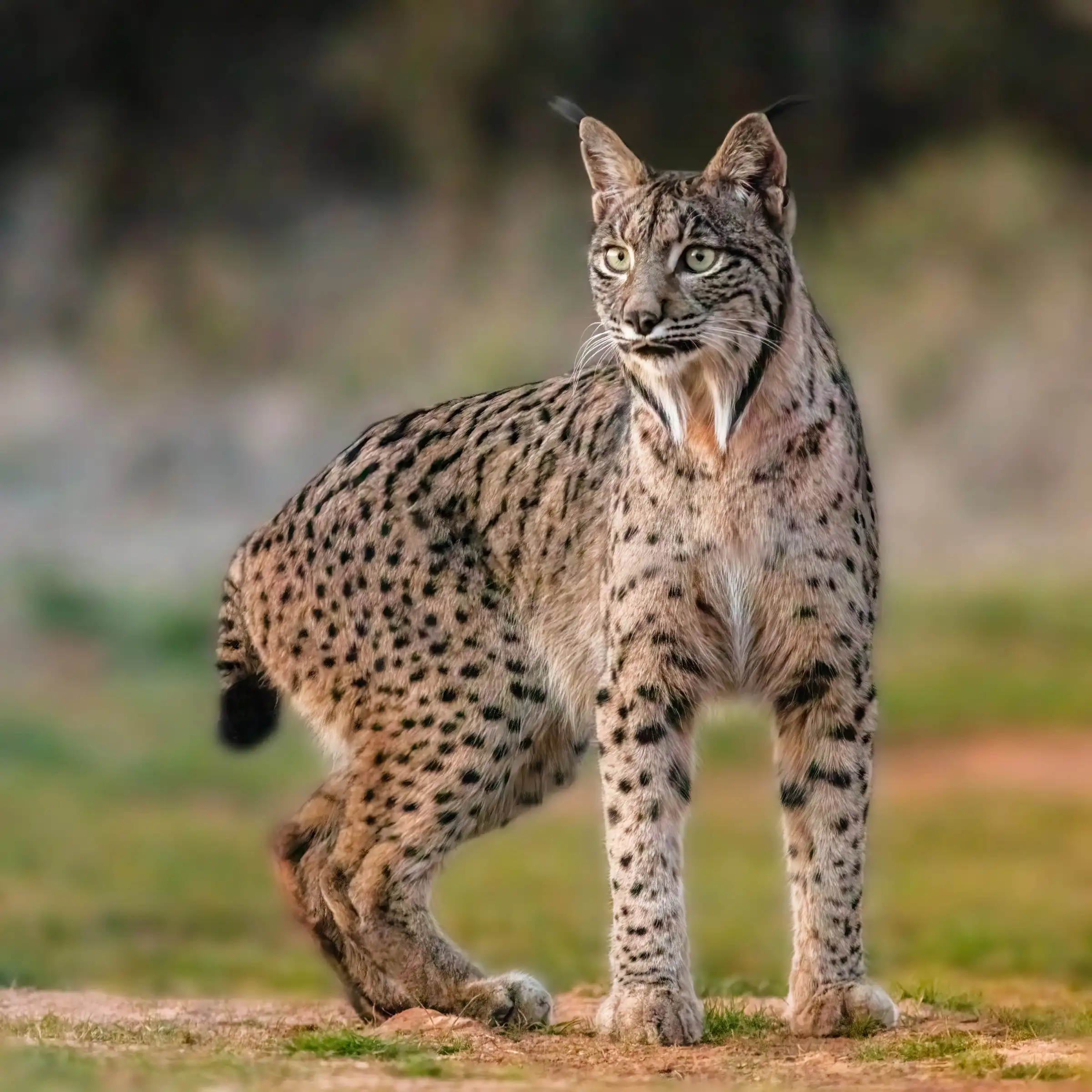
Iberian Lynx (Lynx pardinus)

The presence of the lynx was recorded at the western and eastern ends of the park in the mid-1990s. In the surroundings of the middle course of the Estena river, in the western part of Cabañeros, the lynx was very abundant until the end of the 1950s; in fact, that is where the largest number of references come from. Above all in the Peralosas stream and its tributaries.
According to the latest records, there seems to be a small population of the cat living in the ravines near Estena, probably descendants of the old abundant populations. However, where there are most references and testimonies of the lynx is in the mountains of the Bullaque river valley, perhaps its most suitable habitat.
Although the situation of the lynx in Cabañeros has been critical in recent years, because, among other things, of the fall in the rabbit through the diseases mentioned, trapping for carnivores, hunting and road deaths; recently, excellent work is being done to repopulate this very singular species, through actions such as habitat improvement and the introduction of new animals.
Eurasian Otter

The otter is present in several areas of the park. Its most important population is settled in the Estena river, in the west of Cabañeros, and keeps its density as far as its mouth in the Cíjara reservoir, in the province of Badajoz. Another less populated nucleus is found on the Brezoso stream and in the Bullaque river. We also find individuals in many of the damp spots, such as small streams or headwater reservoirs, built to supply water to estates with houses or livestock.
Its diet is based mainly on the American crayfish (Procambarus clarkii). A large part of the droppings collected in the Estena river in summer contain only remains of this prey.

It is, perhaps, the only place where this invasive species is not causing too much havoc among native species, and that is thanks to the control the otter exerts over it, contributing, on the one hand, to the crayfish not becoming a pest; and on the other, to keeping the otter population stable. During winter the consumption of fish increases.
Commonest carnivore species of Cabañeros by trophic ecology
According to the trophic requirements (quantity and types of food) present in the park, the number of species that exist in Cabañeros National Park can be known.
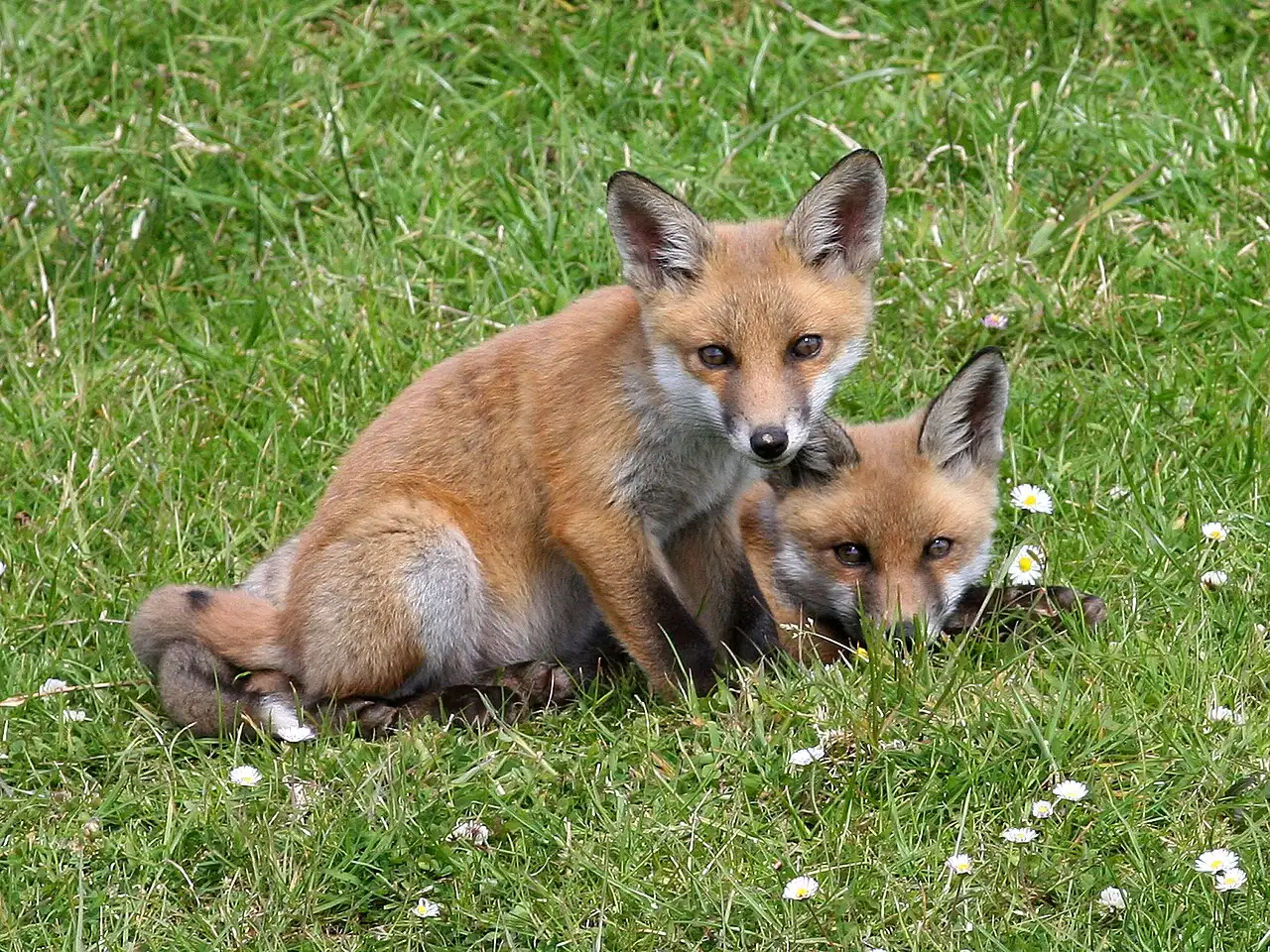
Fox (Vulpes vulpes)

The fox feeds mainly on the carrion generated by red deer and wild boar, very abundant in the park and which lie dead from disease, hunting, starvation and so on. The frequency of wild ungulates in its droppings is 46.7 per cent, although it reaches almost 70 per cent in terms of biomass. Small mammals, especially murids (Apodemus sylvaticus) and lagomorphs –represented by the rabbit–, are also important in its diet, with 22 per cent occurrence and 11 per cent biomass.
As for invertebrates, they make a large food contribution to its diet. They have a frequency of occurrence above 80 per cent, and insects such as beetles, orthopterans and scorpions stand out. The trophic behaviour of the fox during the hot seasons is worth noting, when it increases its search for locusts and grasshoppers on the raña, when these insects reach notable densities.
The trophic scheme of the fox is completed by plant matter. Among these, seasonal fruits, typical of autumn and winter, such as strawberry tree fruits, acorns or blackberries, are quite important, reaching 27 per cent presence in the samples. The fox also uses, to a lesser extent, the remains of stems and leaves of holm oak, mock privet and grasses. Birds and reptiles hardly figure in its diet.
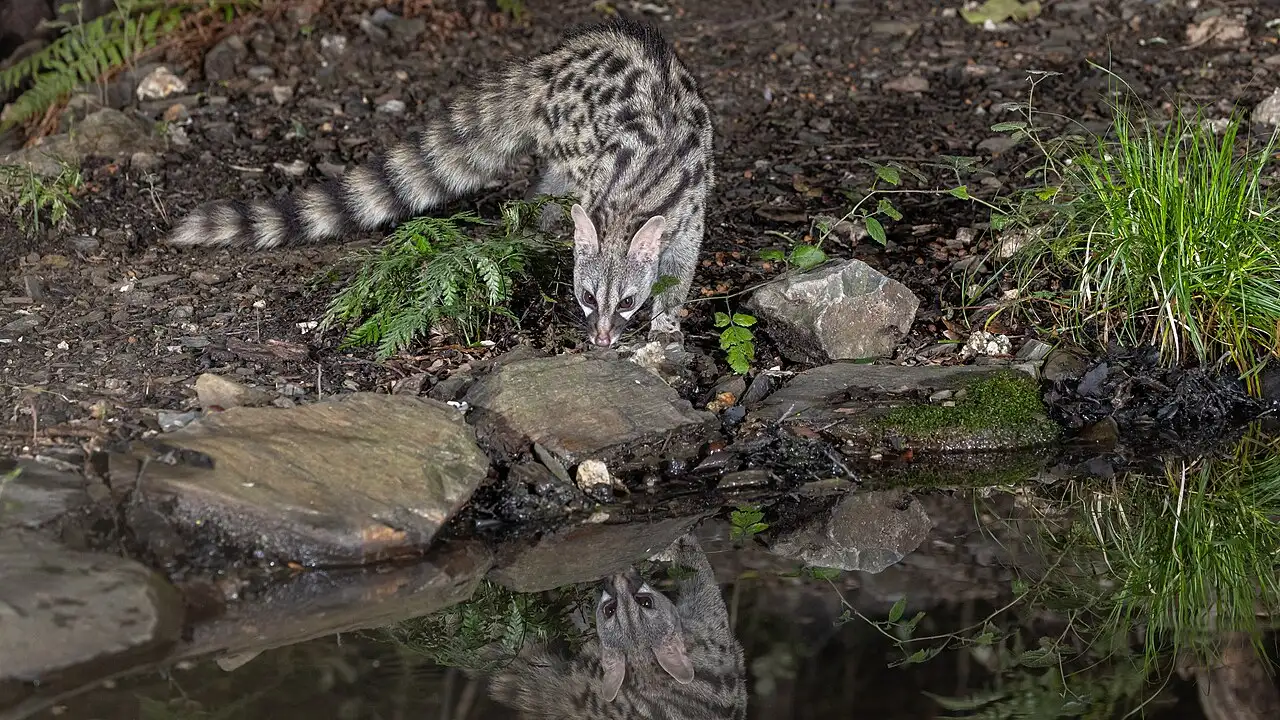
Genet (Genetta genetta genetta).


In Cabañeros, the diet of the genet is made up mainly of small mammals, with a frequency of occurrence above 80 per cent in its droppings. These are followed by invertebrates and birds, with 72 and 49 per cent respectively. In terms of biomass, small mammals keep first place as the main food and birds, with 21.4 per cent, become more important than invertebrates, which show 16 per cent.
As for lagomorphs and reptiles, they have almost no importance in its diet, as they do not reach 5 per cent frequency of occurrence. Among fruits, only strawberry tree fruits make up a fundamental part of its diet in winter, with 17 per cent frequency of occurrence.
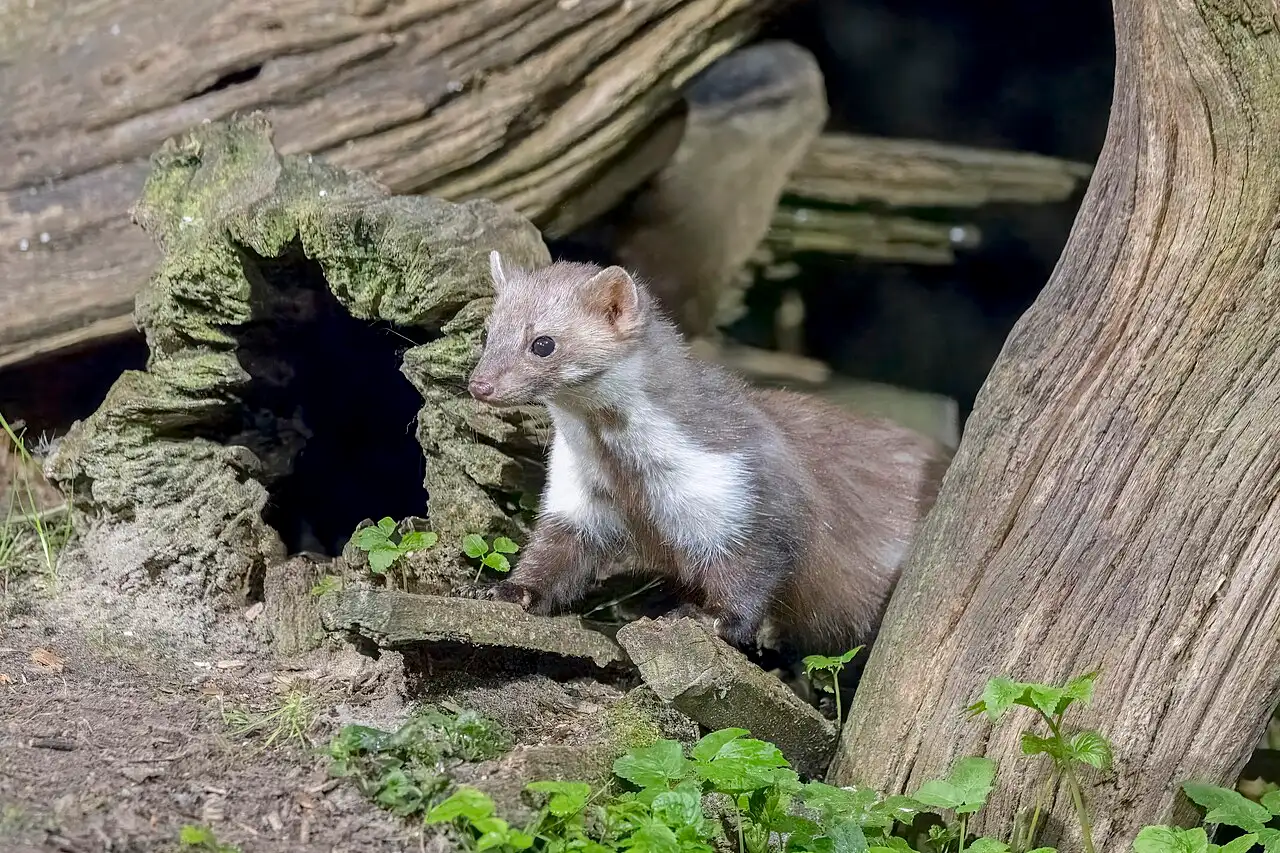
Beech Marten (Martes foina mediterranea)

For the beech marten, mammals as a whole make up almost 50 per cent of its trophic needs in the park. Birds and invertebrates also make important biomass contributions, being present in more than half of the samples. On the other hand, foods of plant origin make up 27 per cent of its diet, with special mention of fungi, which reach 34 per cent frequency of occurrence and 16 per cent of biomass. Among the other fruits and plant matter the predominance of the strawberry tree (Arbutus unedo) stands out. As in the previous cases, reptiles are irrelevant in its diet.
Wildcat (felis silvestis)

The wildcat feeds almost entirely on mammals. These appear in all the samples and represent 90 per cent of biomass. Among lagomorphs, rabbits and hares are present in half of the samples, and with 53.8 per cent of the food consumed, they form the base of its energy intake. Small mammals make up a fifth of the biomass and are the group most present in its droppings. The red deer is one of this cat’s preferred foods, which it consumes either as carrion or by hunting the youngest animals.
Lastly, birds are the last food of some importance that completes the wildcat’s diet, with 9.4 per cent of biomass. Reptiles and invertebrates sometimes appear in its droppings, but are not decisive. Among plant matter, grasses stand out, swallowed as purgatives and used as an accompaniment for the ingestion of small mammals.
Final considerations on the mammals of Cabañeros
The carnivore species that have ended up predominating in Cabañeros are those characterised by a broad, generalist diet able to adapt to the most abundant resources of each season of the year, whether fruit, mammals, invertebrates and so on. These are the fox, the genet and the beech marten. Their abundance increased because of the disappearance of the rabbit, which harmed other species such as the lynx or the wildcat, whose presence in Cabañeros was clearly tied to the consumption of this lagomorph. The causes of this change were rabbit diseases, the excess of wild ungulates, interspecific competition and the ageing of the scrub, which favoured these opportunistic carnivore species to the detriment of other species, even birds such as the imperial eagle.
Although the situation of the mammal community has changed in the last century, the park’s ecosystem remains a unique faunal ensemble on the Iberian Peninsula. While some species, as in the case of the superpredator groups, have reduced their presence because of environmental causes, such as the need for permanent wet spots, or the lack of a particular prey, other species have prospered thanks to their biological aptitudes. In any case, we cannot forget the presence and the intervention of people, which has been the main cause of alteration of fauna in the world. It is in our hands to protect the species we live with.
Bibliography:
- Guzmán López-Ocón, Javier Nicolas. (1997). Mamíferos. En Parque Nacional de Cabañeros (pp. 225-268). Madrid, España: Ecohábitat.