
Fish
Fish fauna
The park’s eight native fish, each with its data, photos and conservation status.
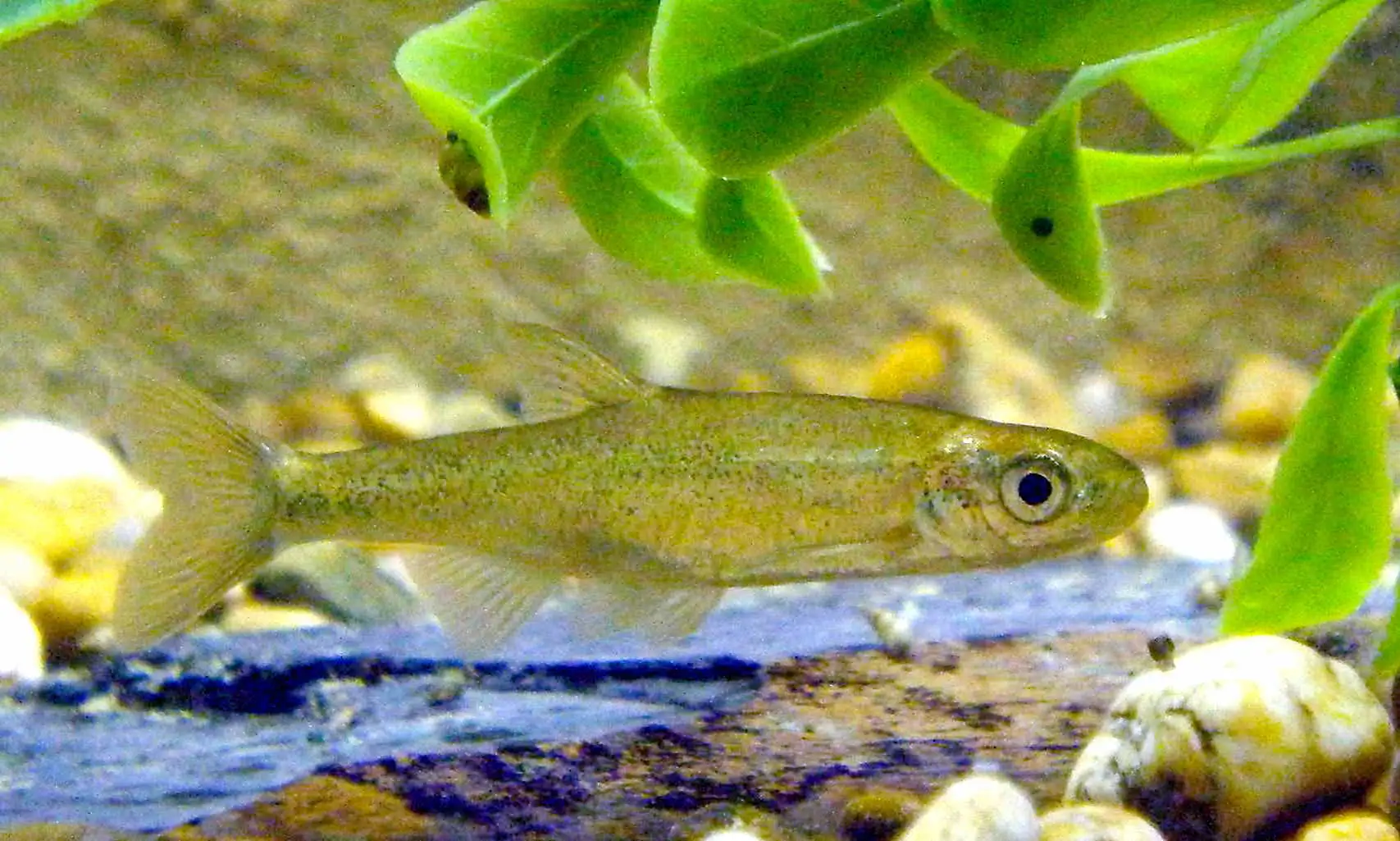


Introduction
Among the vertebrates of the Iberian Peninsula, freshwater fish are the great unknowns, even though around 75 per cent of our species are endemic, a feature no other European fauna can match. This is mainly due to the difficulty freshwater fish have in dispersing and their isolation within the peninsula from European and African faunas, for 5 million years, with the formation of the Pyrenees and the opening of the Strait of Gibraltar.

On the other hand, the palaeohydrographic history of the Iberian Peninsula is characterised by having kept its river basins isolated from one another for 3 million years, as well as having a lacustrine origin. Evolutionary processes have therefore taken place on a small geographical scale, giving rise to species found in only one river basin or in a few rivers within it. This endemic character of our fish fauna has produced very fragile river ecosystems of great interest for understanding different biological processes.
The Guadiana basin

The Guadiana basin, together with that of the Guadalquivir, offers the greatest diversity of the peninsula. Species such as the Spanish Minnowcarp (Anaecypris hispanica) or the Small-headed Barbel (Barbus microcephalus) are found only in these rivers. Others, by contrast, are endemic to the Iberian Peninsula, for example: the Comizo Barbel (Barbus comiza), the Mediterranean barbel (Barbus guiraonis), the Iberian Arched-mouth Nase (Rutilus lemmingiis), the Southern Iberian Chub (Leuciscus pyrenaicus), the Southern Iberian Nase (Chosndrostoma polylepis), the Calandino (Tropidophoxinellus alburnoides), the Southern Iberian barbel (Barbus sclareti), the Southern Iberian Spined Loach (Cobitis paludica) and the fartet (Aphanius iberus), the latter traditionally present in the Guadiana although it is not certain today.
The absence of dams on the lower Guadiana makes it the only one of the peninsula’s great rivers that holds abundant migratory populations, such as the European eel (Anguilla anguillla), the Twaite shad (Alosa fallax), the Allis shad (Alosa alosa) and the Sea Lamprey (Petromyzon marinus), despite the natural obstacle of the Salto do Lobo waterfall in Portugal. Two species from this basin cited in the literature are considered extinct today: the European sturgeon (Acipenser sturio) and the Atlantic salmon (Salmo salar).


The Guadiana basin has a fauna that combines elements of European origin, such as the nases and chubs, and African, such as the different species of barbels. Its relationship with other Iberian river basins is rather doubtful, since its fauna seems more tied to the basins of southern Spain, though with its own particularities.
Likewise, the fauna of the Guadiana basin is heterogeneous, and shows important differences between the upper course, near the Lagunas de Ruidera –less diversified and with Mediterranean elements–, and the middle-lower course, which offers greater diversity.
The river arteries of Cabañeros: the Estena and the Bullaque
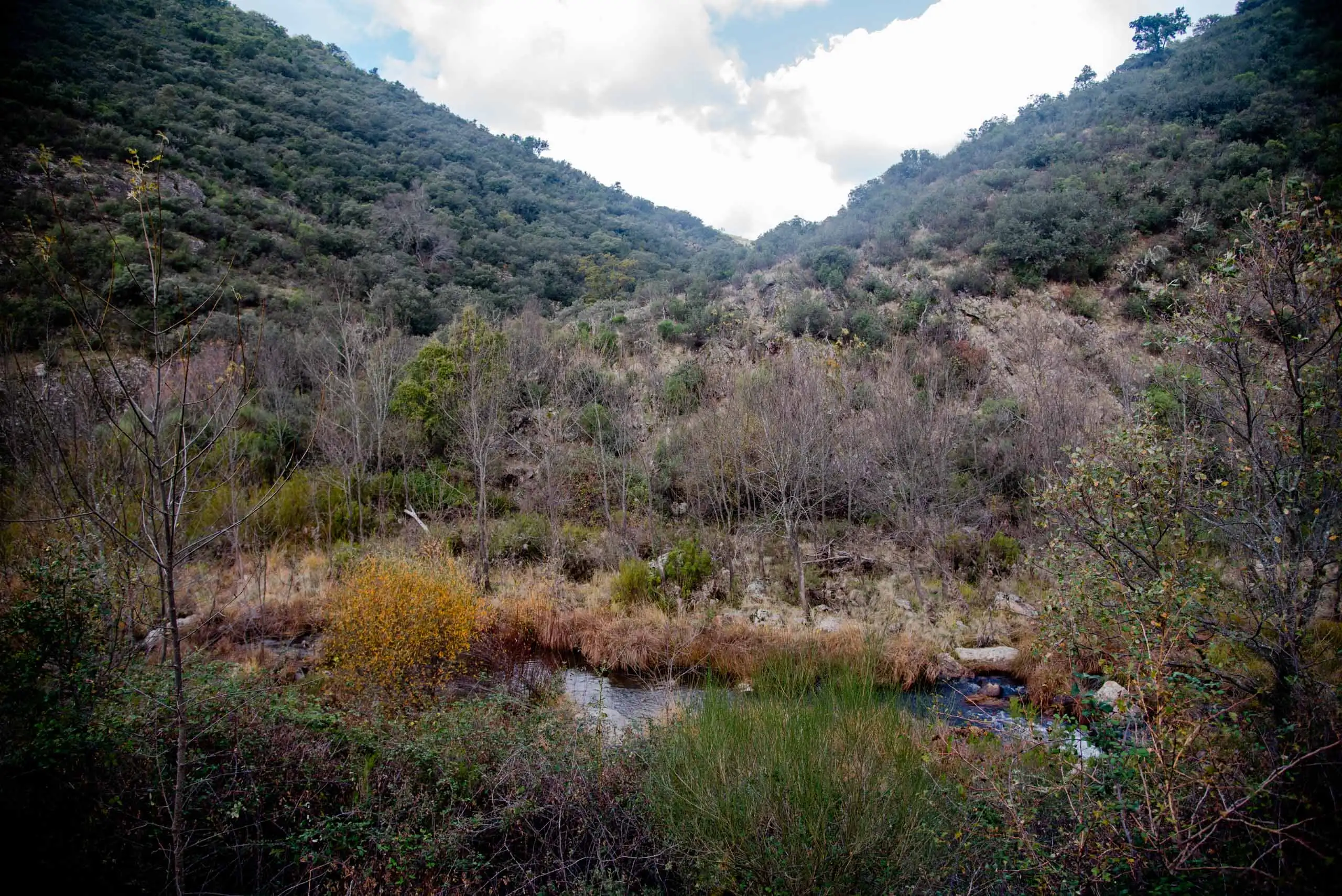
Cabañeros lies within the middle stretch of the Guadiana basin, and its main rivers are the Estena river and the Bullaque river. These rivers show a very contrasting state of conservation, mainly because of the different degree of alteration their channels have suffered. The Bullaque, for example, is quite transformed by the construction of the Torre de Abraham reservoir, which disturbs the natural cycles of the river and continually introduces exotic species. Meanwhile, the Estena river, not being in contact with artificial elements, is in a good state of conservation. These differences in conservation are echoed in the diversity and abundance of fish populations.
The Estena river
The Estena river has a fauna rich in native species, including the presence of the Spanish Minnowcarp, one of the most threatened species of European fauna. In fact, of all the fish fauna of this river, more than 50 per cent belongs to some threat category. Some have disappeared, such as the trout populations Salmo trutta, surely because of overfishing. Exotic species appear only in its lower stretch, far from Cabañeros National Park, coming from the Cíjara reservoir.

The Bullaque river
In the Bullaque river, the weakest native species disappeared, among them the Spanish Minnowcarp, making way for a greater diversity of exotic species, which account for around 50 per cent:
- Asian: Common Carp and Crucian Carp.
- North American: mosquitofish, Largemouth Bass and Pumpkinseed.
- Distributed across central Europe, Asia and North America: Northern Pike.


Fish fauna of Cabañeros
The fish fauna of Cabañeros reflects perfectly the fish characteristics of the Guadiana basin, the most endemic and astonishing of the whole Iberian Peninsula. It also holds the rarest and most threatened species of European fish fauna. The fitting together of these species over millions of years has formed complex communities with different origins and ways of life.
Species by type of diet
Among the native fish of Cabañeros, there are species that use different food resources:
- Herbivorous species (feeding on plant matter): nase.
- Insect-eating species (feeding on insects): Calandino, chub, spined loach.
- Omnivorous species (feeding on insects, animals and plants): barbel, Spanish Minnowcarp, Arched-mouth Nase.


The habitat of the species
The species above occupy different positions in the depth of the water. Some live on the bottom, as in the case of the spined loach; and others, by contrast, prefer the surface, for example the Spanish Minnowcarp.
Some species are able to live in small intermittent streams, typical of the Mediterranean region. They tend to be small species that exploit different food resources, since in these streams, which sometimes turn into small ponds, resources are very limited. Among these species, the chub stands out, able to feed on the insects that fall now and then; and the spined loach, which feeds on small bottom-dwelling invertebrates. This community sometimes lives alongside the Arched-mouth Nase, an omnivorous species.
By contrast, the largest native species, such as the barbels and nases, need larger flows and very specific laying areas (breeding places). Their breeding strategies fall mainly into two types:
- Species that lay a large number of eggs in a single clutch, for example the barbels.
- Species that lay fewer eggs in different clutches throughout spring and summer, for example the spined loach.
The extinction of species
Fish communities were altered after the construction of the Torre de Abraham reservoir. The regulation of the impounded water changes the natural cycles of the river, causing the extinction of some native species, which feed on the resources offered by Mediterranean rivers, and favouring exotic species, mostly fish-eating (feeding on other fish), which do not need those resources. The introduction of these species into ecosystems as weak as the Mediterranean one causes the extinction of many native species.
The projects to transfer water from the Tagus basin to the Torre de Abraham reservoir pose a new danger to the Bullaque river. Each basin of the peninsula has a unique fish fauna whose communities have developed a balance of coexistence, which can be harmed and wiped out by populations coming from other river basins. There is a pressing risk that a large part of our genuine fauna will disappear without our ever having known it.
Today, the Estena river, as it remains unregulated, is a good example of a Mediterranean river and has a vital importance for the survival and knowledge of our native fish fauna.
That is why it is declared a River Nature Reserve, and why it is monitored. For more than twenty years selective electrofishing has been carried out on it: small discharges that stun the fish without harming them, just enough to measure them, return the native ones to the water (Arched-mouth Nase, spined loach, Spanish Minnowcarp…) and remove the invaders. The ones that appear most in the checks are the bleak (Alburnus alburnus), the pumpkinseed (Lepomis gibbosus) and the largemouth bass or American perch (Micropterus salmoides). Reports of invasive species can be sent to the regional government, at invasoras@jccm.es. Sources: park newsletters of September–October 2023 and 2024 (all the newsletters).
Species of Cabañeros
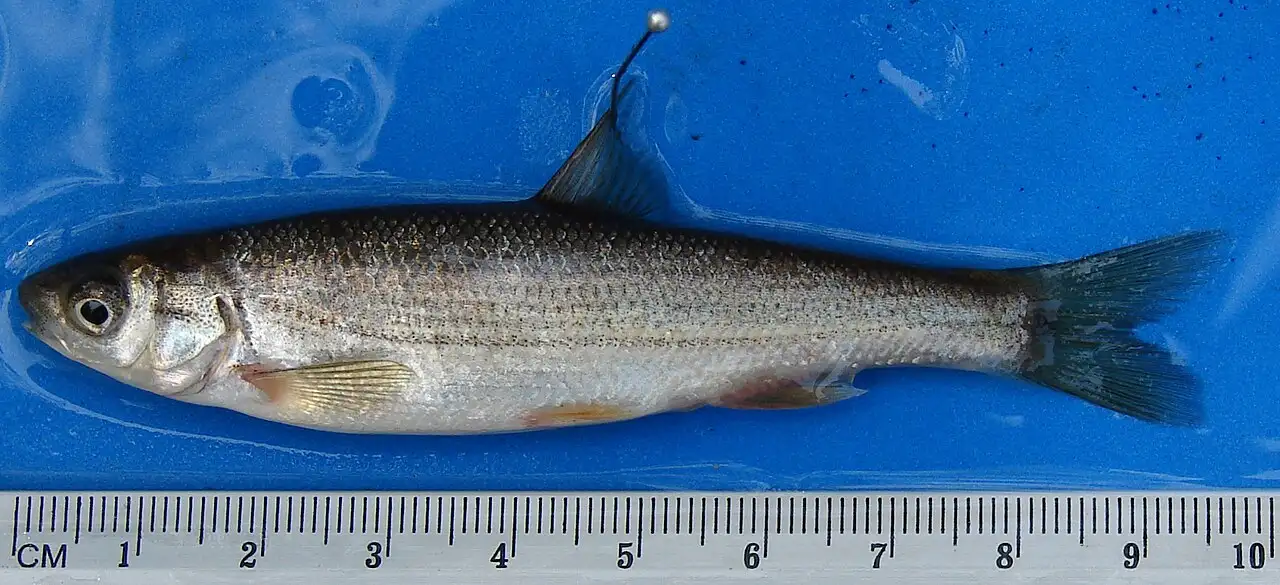
Spanish Minnowcarp (Anaecypris hispanica)

- A small fish that does not exceed 10 cm in length.
- A large number of scales, 59–71, poorly overlapping, and the lateral line absent or incomplete.
- It has a keel between the pelvic and anal fins.
- It is one of the least-known fish of the Iberian fauna and its biology is unknown.
- It is omnivorous with a preference for aquatic invertebrates.
- Its relationships are unknown: some authors associate it with a small species that lives in the mountains of the Tunisian Kroumirie, others link it with other species of the Balkans and Asia Minor.
- Its origin is a mystery and raises important questions about palaeogeography in the peninsula.
- In the 1980s, it had only been located in the Aljucén river and in small streams near Mérida. It was later found in about ten rivers of the Guadiana basin, among them the Estena. Later it was cited in the Guadalquivir, surely because of an artificial introduction, now extinct.
- Monitoring of its populations in recent years has revealed its sharp decline and that at some point it was present in most of the rivers of the Guadiana basin.
- Its habitat is areas with abundant aquatic vegetation and little current.
- The decline of this species is due to the «Americanisation» of the Guadiana rivers, which has introduced fish-eating species from North America such as the largemouth bass or the pumpkinseed, rivals larger in size and swimming power that the small Spanish Minnowcarp cannot face.
- Formerly, the otter was its only natural predator, although it would not form part of its main diet, being a small fish that required great effort to catch. At present, otters have changed their diet because of the presence of the American crayfish and the decline of the Spanish Minnowcarp.
- It is possible that some birds such as the Common Kingfisher or the herons could eat this species, although there are no reliable data.
- The Spanish Minnowcarp, together with the samaruc, an endemic species of the Valencian coast, is the most threatened species in Spain and the one at greatest risk of extinction in Europe. In fact, it appears in the Red Data Book of Spanish Vertebrates, classed as <<Endangered>>.
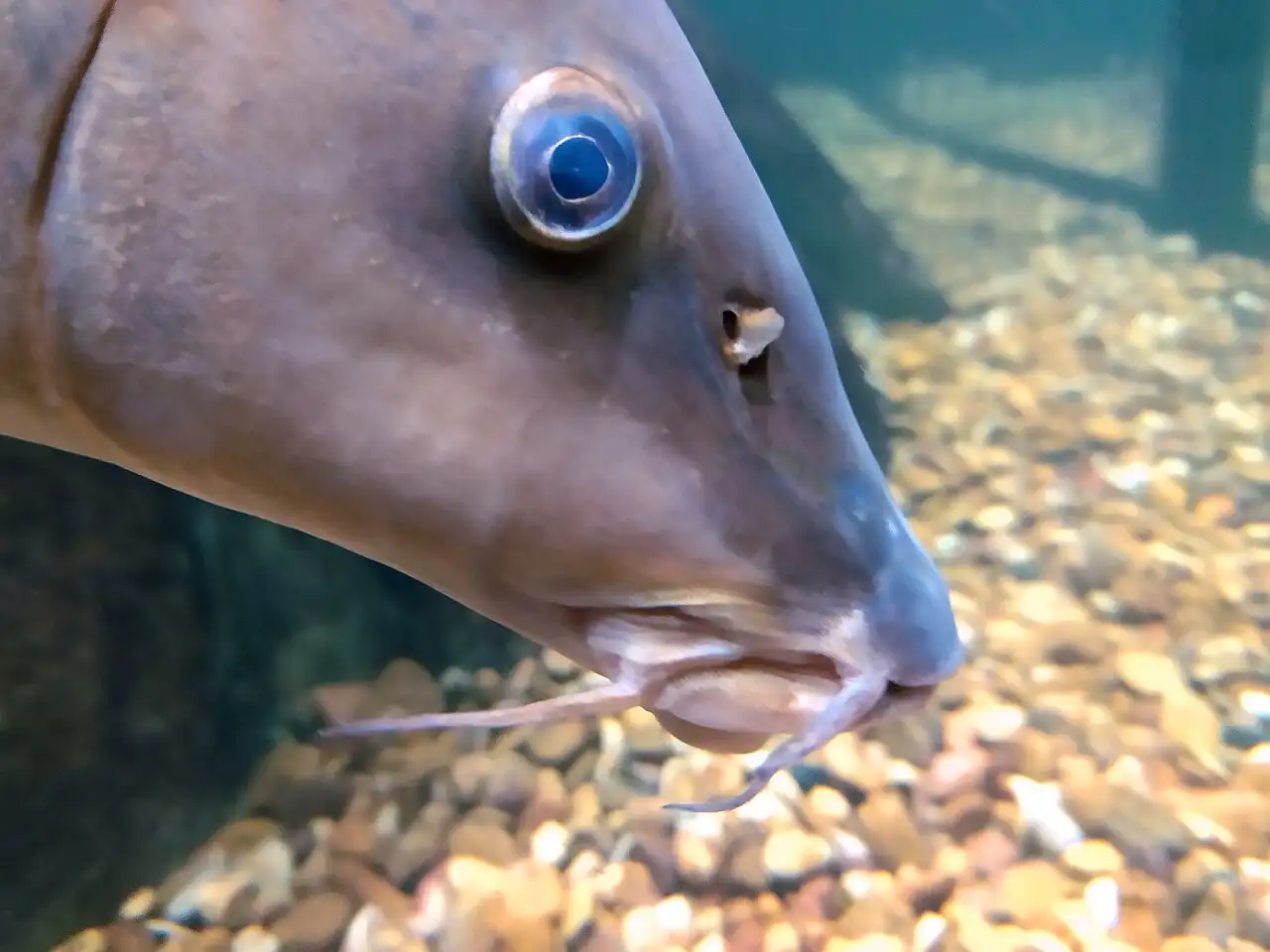
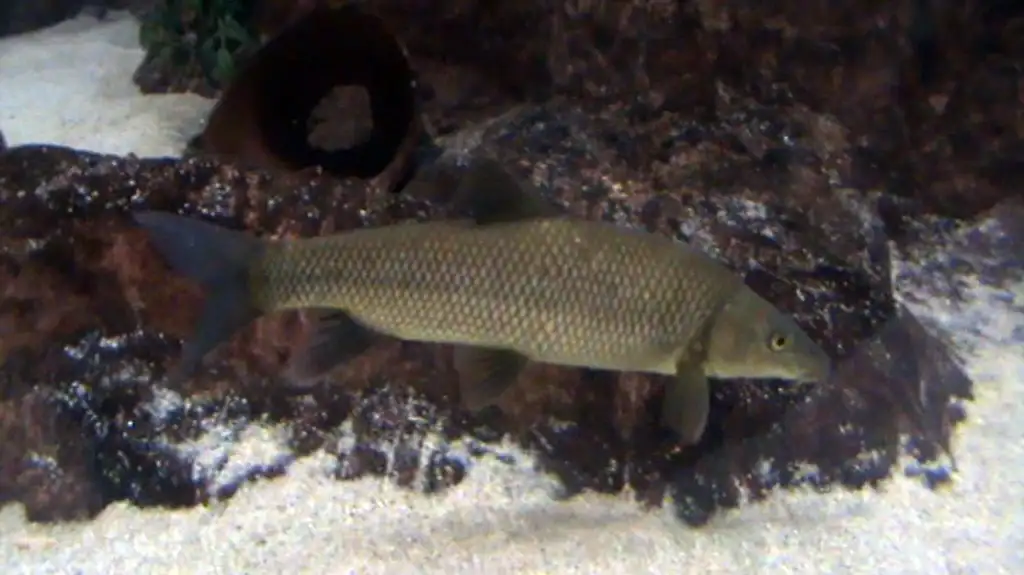
Comizo Barbel (Barbus comiza)


- It is a species endemic to the peninsula that lives only in the Tagus and Guadiana basins. It was also present in the Guadalquivir, although today it seems extinct.
- Within Cabañeros, it is a common species in the whole Bullaque river, including the Torre de Abraham reservoir, although its density is lower than that known in the mid-20th century. It is also present in the Estena river but, given the natural conditions, it is harder to find.
- The appearance of predator species better accustomed to the environment or introduced artificially, together with urban and industrial pollution of the waters and the disappearance of natural spawning grounds (places where aquatic animals go to lay eggs or spawn) because of gravel extraction, have contributed to the decline of the populations, and in many cases total extinction, as happens in many other Spanish rivers.
- It has two pairs of mouth barbels and a body more elongated than carps, and can reach a metre, although this is not usual.
- Its head is elongated, similar to that of the pike.
- The last simple ray of the dorsal fin is strong and serrated.
- Because of its size, it prefers large bodies of water with little running water, so it is often seen in reservoirs and in the still stretches of rivers.
- It feeds on insects and other aquatic invertebrates.
- Breeding takes place between May and June, depending on the temperature the water reaches. For this the barbel migrates to look for gravel substrates where it can lay its eggs. Once it has found the ideal place, the female digs a furrow in the sand with her anal fin, where she lays the eggs. Instantly, the males release their sperm into the water with the help of their pectoral and pelvic fins.
- In general, males chase gravid females that are larger than themselves. In the rut they develop nuptial tubercles on the head to confront and fight other males in order to stimulate the female.
- It appears in the Red Data Book of Spanish Vertebrates as a <<vulnerable>> species.
Small-headed Barbel (Barbus microcephalus)
- It has characteristics similar to the Comizo Barbel, although its size is smaller and the head is shorter and less elongated.
- It is abundant in the rivers where it occurs.
- Young barbels are gregarious and tend to form small shoals.
- They are omnivorous and feed on aquatic invertebrates and algae.
- Breeding takes place between May and June, depending on the temperature the water reaches. For this the barbel migrates to look for gravel substrates where it can lay its eggs. Once it has found the ideal place, the female digs a furrow in the sand with her anal fin, where she lays the eggs. Instantly, the males release their sperm into the water with the help of their pectoral and pelvic fins.
- The species was described for science in 1997 by Dr Carlos Almaça, a Portuguese scientist.
- It is found only in the Guadiana basin, although it was cited in the Tagus, probably through artificial introduction.
- It is one of the least-known species of our fish fauna. Its origin is believed to lie in the African barbels that crossed the Peninsula when the Mediterranean dried up, about 5 million years ago.
- In Cabañeros, it can be found in the Estena river, with a very abundant presence, and in the Bullaque river at lower densities.
- It appears in the Red Data Book of Spanish Vertebrates as a <<rare>> species.
Goldfish (Carassius auratus)

- It has a deep body and a serrated ray on the dorsal fin, similar to the carp. It differs from it by its smaller size and the absence of barbels at the mouth.
- Its colour and shape are very variable because it is bred as an ornamental fish.
- All that is known of its origin is that it was introduced in historical times, but not by whom.
- It is distributed evenly across the whole peninsula and appears in ponds, lakes and reservoirs.
- In Cabañeros it appears only in the Bullaque river and has little presence.
- It can hybridise with the carp, a common process in Spanish reservoirs.
- It is sometimes wrongly called Crucian Carp, but that is a species of central Europe (Carassius carassius).
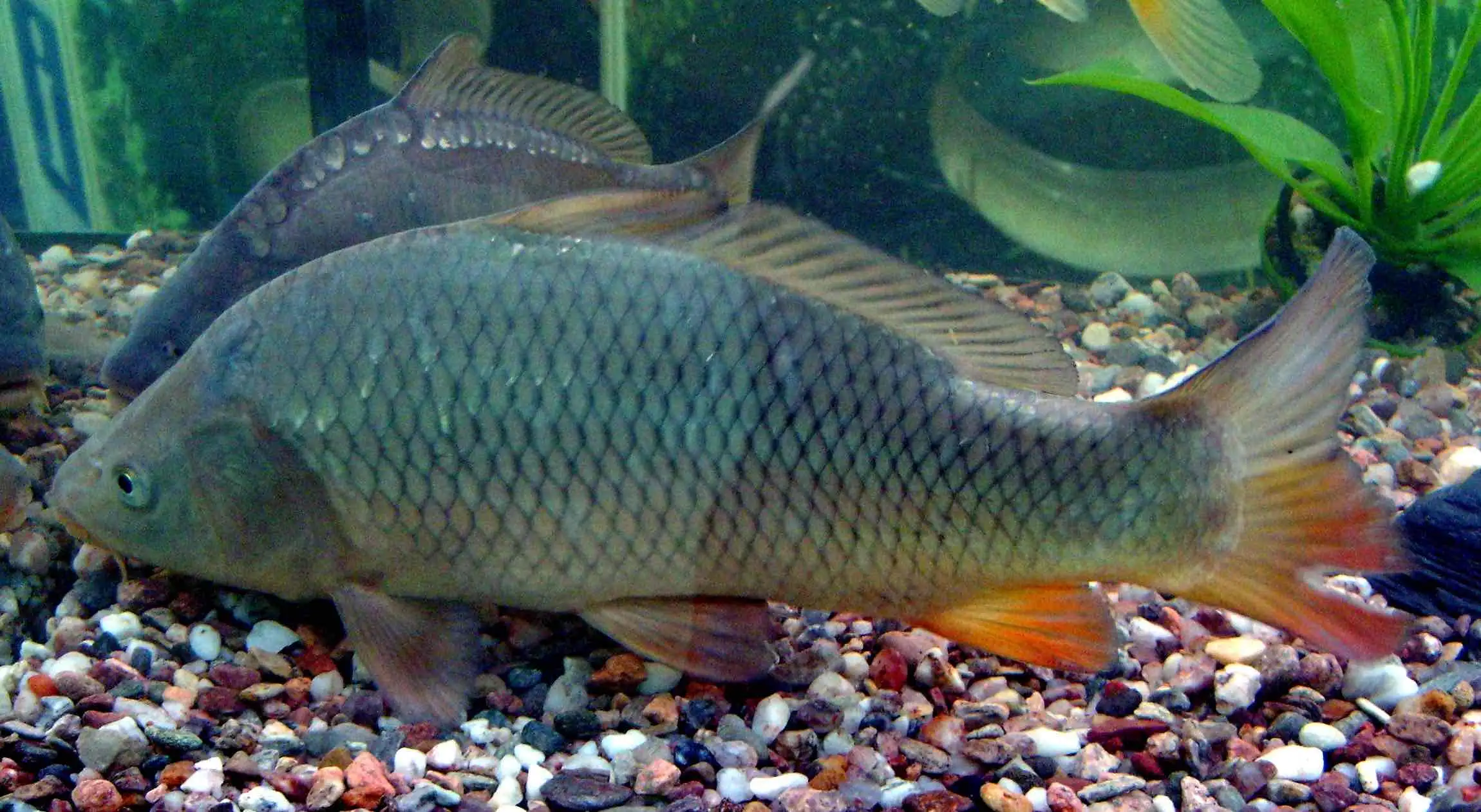
Common Carp (Cyprinus carpio)

- It is one of the best-known species. It has a strongly serrated ray on the dorsal fin, two pairs of mouth barbels and a deep body.
- The species was historically introduced artificially into Spain.
- In Cabañeros we find it in abundance in the Bullaque river.
Southern Iberian Nase (Chondrostoma polylepis)
- It is a medium-sized fish that does not reach 50 cm, with an elongated shape and small, numerous scales, between 59 and 78. Its mouth is inferior, that is, it faces downward, with a horny plate on its lower lip.
- It is a species found only in the fresh waters of the area and there are three different forms. In the Guadiana basin, the dominant form is the subspecies Chondrostoma polylepis willkomii, also present in some rivers of southern Spain.
- It is a plant-eating species, feeding mainly on aquatic algae, and is, together with the madrilla Chondrostoma toxostoma, the only freshwater fish of the whole peninsula that feeds only on this resource. Its presence therefore plays a fundamental role in the aquatic ecosystems of the peninsula.
- For a long time it was overfished because it was believed to eat the eggs of trout and other native species, a completely false idea, since in theory our species do not spawn in vegetation, which makes it hard for their eggs to be eaten by nases.
- In addition, nases have been introduced into rivers where they were not present and have upset the balance of an ecosystem that depended on the interaction of other species.
- In the Júcar basin lives the Júcar madrilla Chondostroma toxostoma arrigonis, which is now practically extinct because of the artificial introduction of a nase much more specialised in eating aquatic algae.
- Within Cabañeros National Park, the nase is present in the Estena and Bullaque rivers in fair abundance. It is hard to find during much of the year because of its preference for deep water. However, in March and April it makes incredible migrations upriver that make it easy to see.
- It is a gregarious species that forms large shoals.
- At present, the nase populations of the Guadiana basin have declined because of the introduction of fish-eating species.
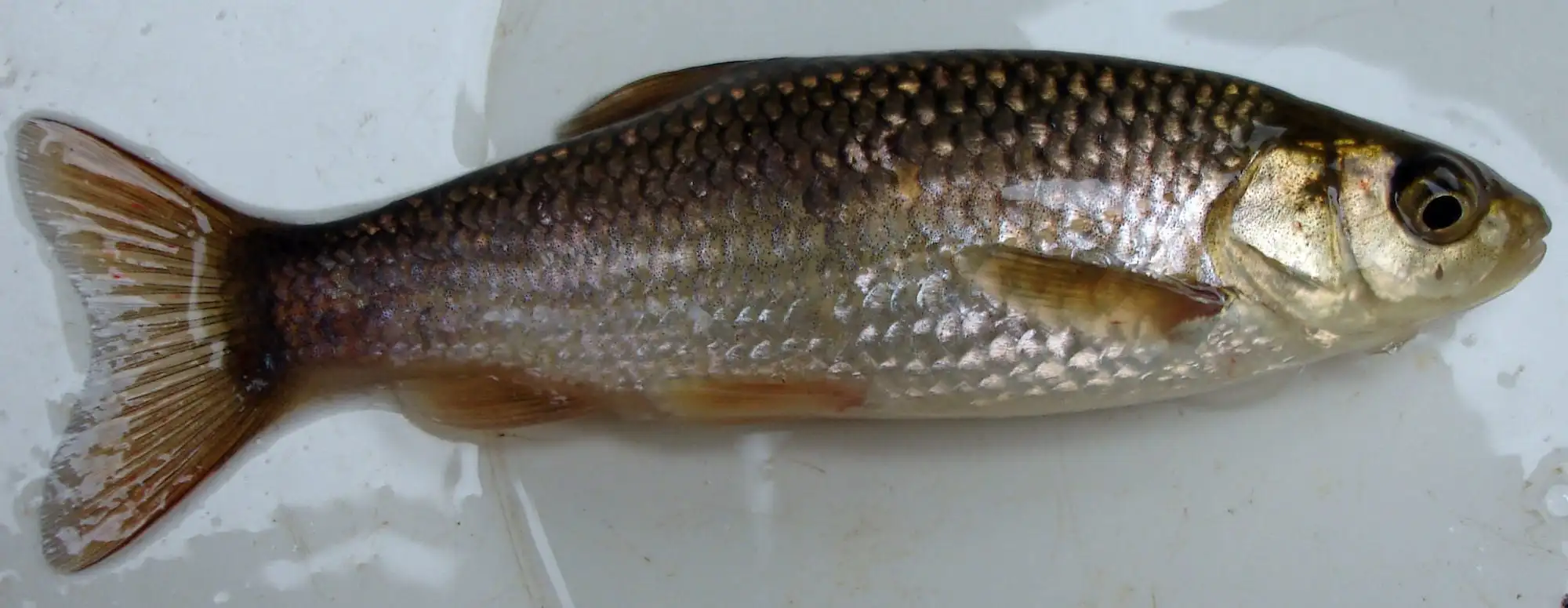
Southern Iberian Chub (Leuciscus pyrenaicus)
- It is a fish that does not reach 30 cm in length. Its scales are large and few, between 36 and 45 on its lateral line. The head is large and its mouth is in a terminal position.
- It feeds mainly on aquatic invertebrates.
- It is a little-known fish and lives in the southern half of the Iberian Peninsula. In fact, it is often confused with species very similar in shape.
- In Cabañeros, they can be found in the Estena and Bullaque rivers, and also in small streams such as the Brezoso.
- It usually settles in clear, clean water, although it is also present in seasonal rivers where it lives alongside the spined loach (Cobitis paludica).
Iberian Arched-mouth Nase (Rutilus lemmingii)
- A small species that does not usually reach 15 cm in length. Its scales are small and number between 52 and 66 on the lateral line. The mouth is terminal and it often has dark spots on the scales.
- It is an omnivorous fish that feeds on aquatic invertebrates and plant matter.
- Its habitat is limited to the Tagus, Guadiana, Odiel and Guadalquivir basins.
- In Cabañeros, it can still be found in the Estena river; in the Bullaque river, by contrast, it is believed to have disappeared because of the introduction of fish-eating species.
- It breeds during April and May, and prefers quiet waters with abundant submerged vegetation. In fact, it can live in the pools left by rivers that suffer severe summer low water.
- It can withstand very high temperatures and a shortage of dissolved oxygen.
- It may be a representative of the oldest fish fauna of Europe, isolated in the southernmost part of the Iberian Peninsula. It is therefore a true treasure of our fresh waters.
- Because of its range, the Red Data Book of Spanish Vertebrates considers it a rare species.
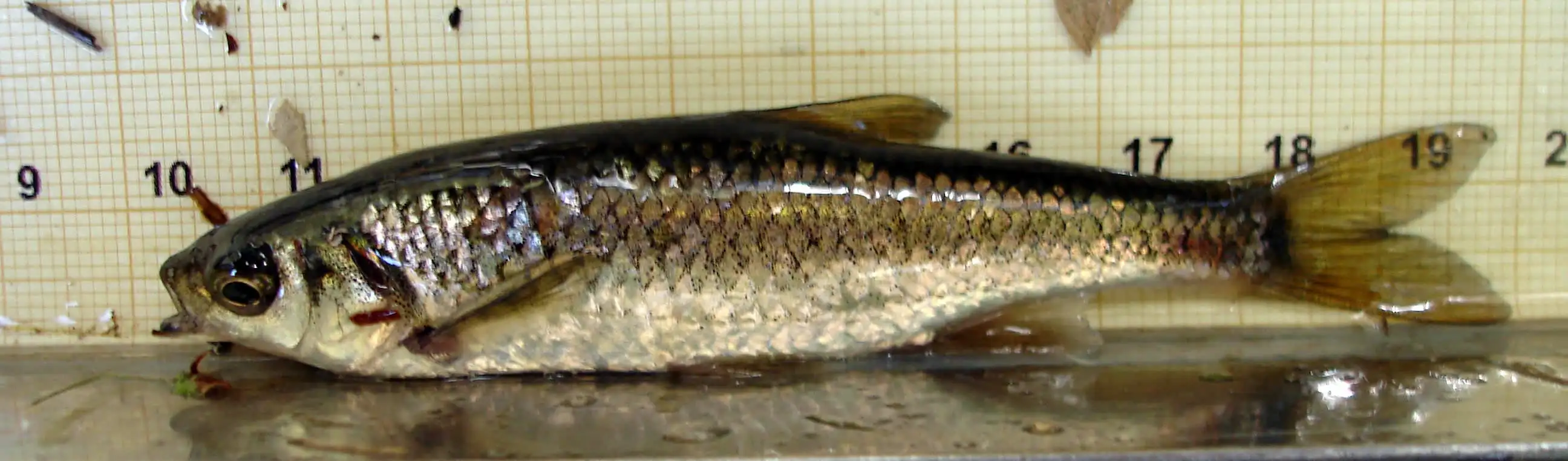
Calandino (Squalius alburnoides)
- It is a small species that hardly reaches 15 cm. Similar to the chub, it differs from it by its elongated appearance and its straight-profiled dorsal fin with seven branched rays, against the eight the chub has.
- Its curious origin is the result of so-called hybridogenesis, an evolutionary phenomenon known only in American species. In other words, the Calandino is the result of the hybridisation of two species: the chub and another species unknown to science, probably one that has been displaced or is already extinct.
- All Calandinos are females, and they are produced thanks to their <<relative>> the chub. Moreover, the original mother species of the Calandino is not necessary because the eggs of today’s Calandinos keep its genetic material. This evolutionary mechanism has been successful, as the Calandino is a very abundant species in the rivers where it lives. Researchers are still working on the Estena river to locate the maternal species.
- It feeds on aquatic invertebrates.
- The distribution of this fish covers the southern half of the west of the peninsula although it has not been introduced artificially into the Júcar basin. This wide range has led to a fall in the chub population because of the Calandino’s active reproductive parasitism.
- In Cabañeros, this species can be found in both the Estena and Bullaque rivers, as well as in their small tributaries.
- They appear to be adapted to Mediterranean rivers with a strong summer low-water period and usually share habitat with the chub, the spined loach and the Arched-mouth Nase.
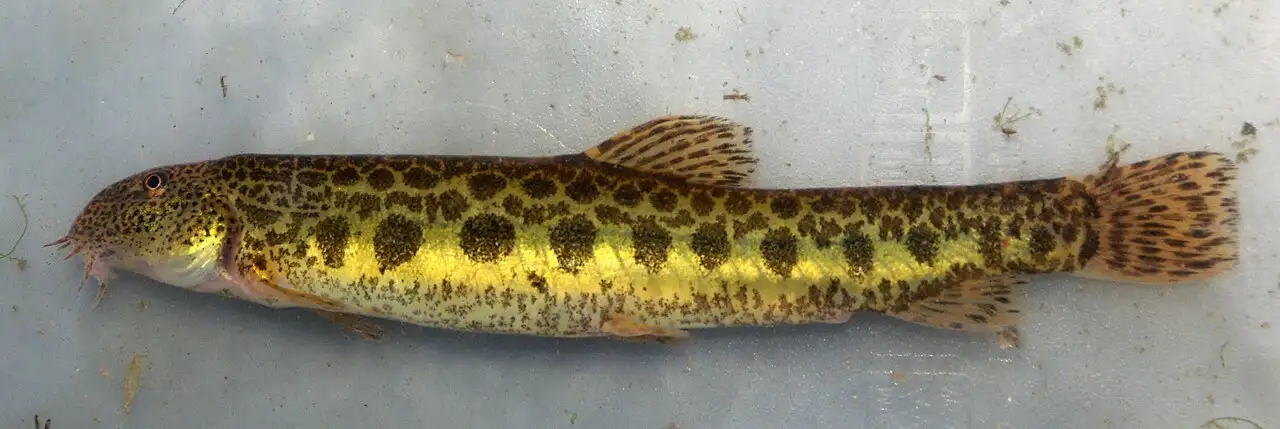
Southern Iberian Spined Loach (Cobitis paludica)
- It is a small fish that does not reach 15 cm in length, is very elongated, has three pairs of mouth barbels and has a spine under the eye that it uses for defence.
- Because it was formerly thought that they bit, rather than pricking with the facial spine, they were given the names «colmillos» or «colmilludas» (fangs).
- Its lateral line is incomplete and it has numerous small scales. On its body oval spots can be seen that tend to form bands in males.
- Males are smaller than females and their paired fins are more developed. They also have a small thickening at the base of the pectoral fins, known as the Canestrini scale.
- Its habitat is the benthic zone of rivers and lagoons, that is, the lowest level of a body of water.
- It feeds on small aquatic invertebrates.
- Breeding takes place between May and June on the stones of the bottom. They can lay in two periods, about a month apart, to achieve greater reproductive success.
- It is distributed across the southern half of the peninsula but, because of its small size and lack of speed, which make this fish an easy prey for introduced fish-eating species such as the pike and the largemouth bass, indiscriminate fishing to use it as live bait and the destruction of gravel areas, the spined loach has disappeared from many places.
- In the Red Data Book of Spanish Vertebrates it appears as vulnerable.
Northern Pike (Exos lucius)
- The pike is a large fish that can exceed a metre in length. Its skull is elongated and its mouth is wide and flattened, covered with strong teeth. The dorsal fin is at the rear of the body and opposite the anal fin.
- The species was introduced into Spain in 1949 for sport.
- It is a species with fish-eating habits that has had a drastic effect on the destruction of our native fauna.
- Its fecundity is very high: it can lay about 37,000 eggs per kilogram of weight.
- It is distributed across almost all the reservoirs and large rivers of Spain, except Galicia and the Cantabrian coast.
- In Cabañeros it appears in the Bullaque river.
Largemouth Bass (Micropterus salmoides)
- It is a medium-sized fish that does not usually exceed 40 cm. It has a spiny-rayed dorsal fin and a flexible one behind it, separated by a notch. Its mouth is large, with teeth that extend along the jaw. It also has a spine at the rear of the operculum (the plate that covers certain openings of the body in some animals).
- The species was introduced in 1955 for sport, like the pike. It is distributed across most of Spain, except the northern rivers.
- Its fecundity is very high and it is the main threat to the endemic fish fauna of Cabañeros and of the whole peninsula.
- It feeds on other vertebrates, which also poses a risk to amphibians.
- In Cabañeros it lives in abundance in the Bullaque river and appears frequently in the lower stretch of the Estena river.
Pumpkinseed (Lepomis gibbosus)
- It is a small fish that does not reach 15 cm in length. Its colouring is very showy, with bluish bands running from the head to the flanks and a yellow belly with a black and red spot on the opercula.
- Like the largemouth bass, its dorsal fin is divided in two parts, with spiny rays in the front one.
- It breeds between May and July. It lays in pits it digs in the substrate and that the males protect by guarding them.
- It is a very voracious species that eats insects and small fish, even amphibian larvae.
- Coming from North America, it was introduced artificially into Lake Banyoles and, in recent years, has been massively restocked in the southern half of the peninsula by private individuals.
- In Cabañeros it appears only in the Bullaque river.
Eastern Mosquitofish (Gambusia holbrooki)

- It is a small fish that does not reach 5 cm in length and has between 26 and 30 scales. The mouth is upturned and hides small teeth in its jaws.
- Males are smaller than females and their anal fin is transformed into a copulatory organ or gonopodium
- It is a live-bearing species that gives birth to between 15 and 40 young each time, and can breed three or four times a year.
- It can withstand extreme environmental conditions that many fish cannot.
- It comes from North America and was introduced into Spain in 1921 in order to end malaria, as it is an active consumer of mosquito larvae. It has surely been one of the causes of the disappearance of many of our native species, for example the fartet Aphanius iberus and the samaruc Valencia hispanica.
- At present, it is present throughout the country except in the Cantabrian rivers.
- In Cabañeros it is present in the Bullaque river.
Bibliography:
- Doádrio, Ignacio. (1997). Ictiofauna. En Parque Nacional de Cabañeros (pp. 155-176). Madrid, España: Ecohábitat.