
Reptiles and amphibians
Reptiles and amphibians
Each species, with its data, photos, distribution map and conservation status.
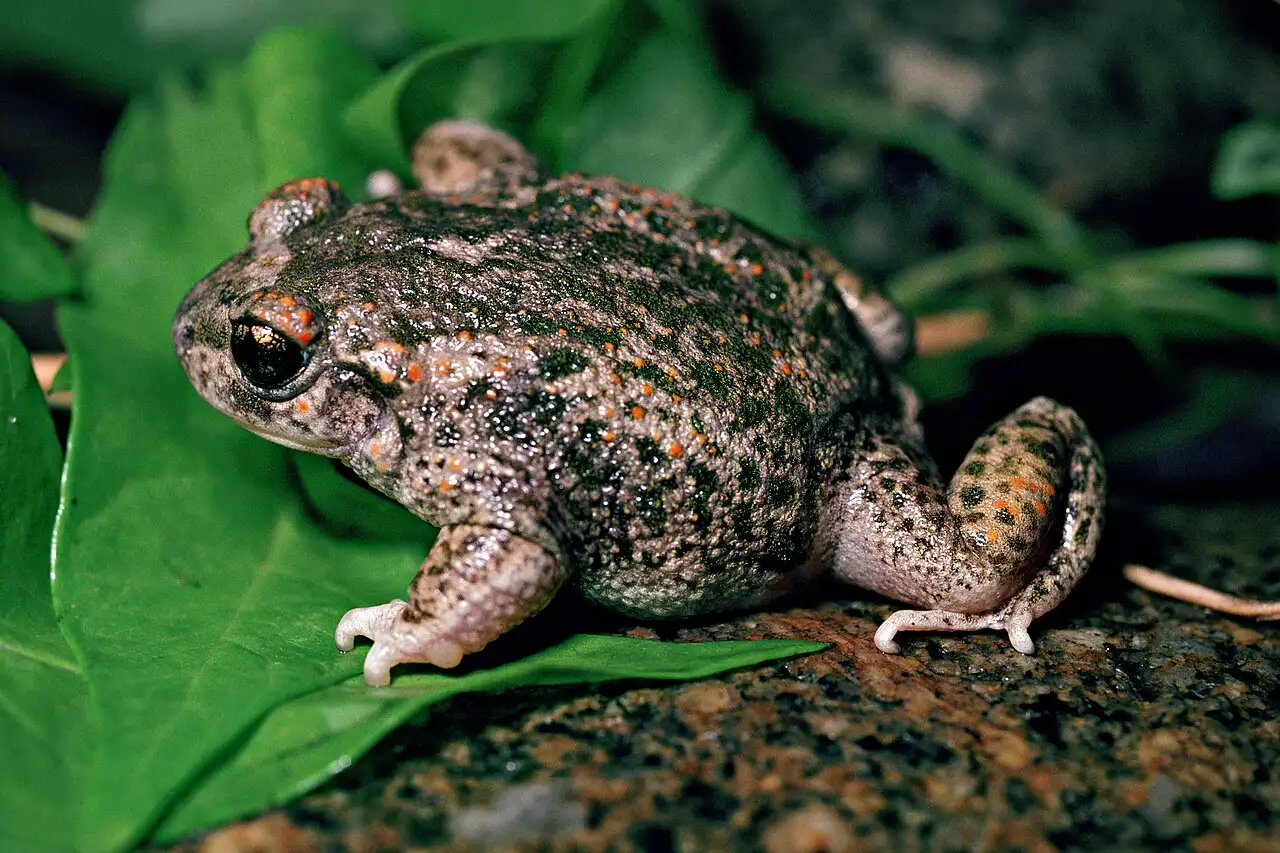
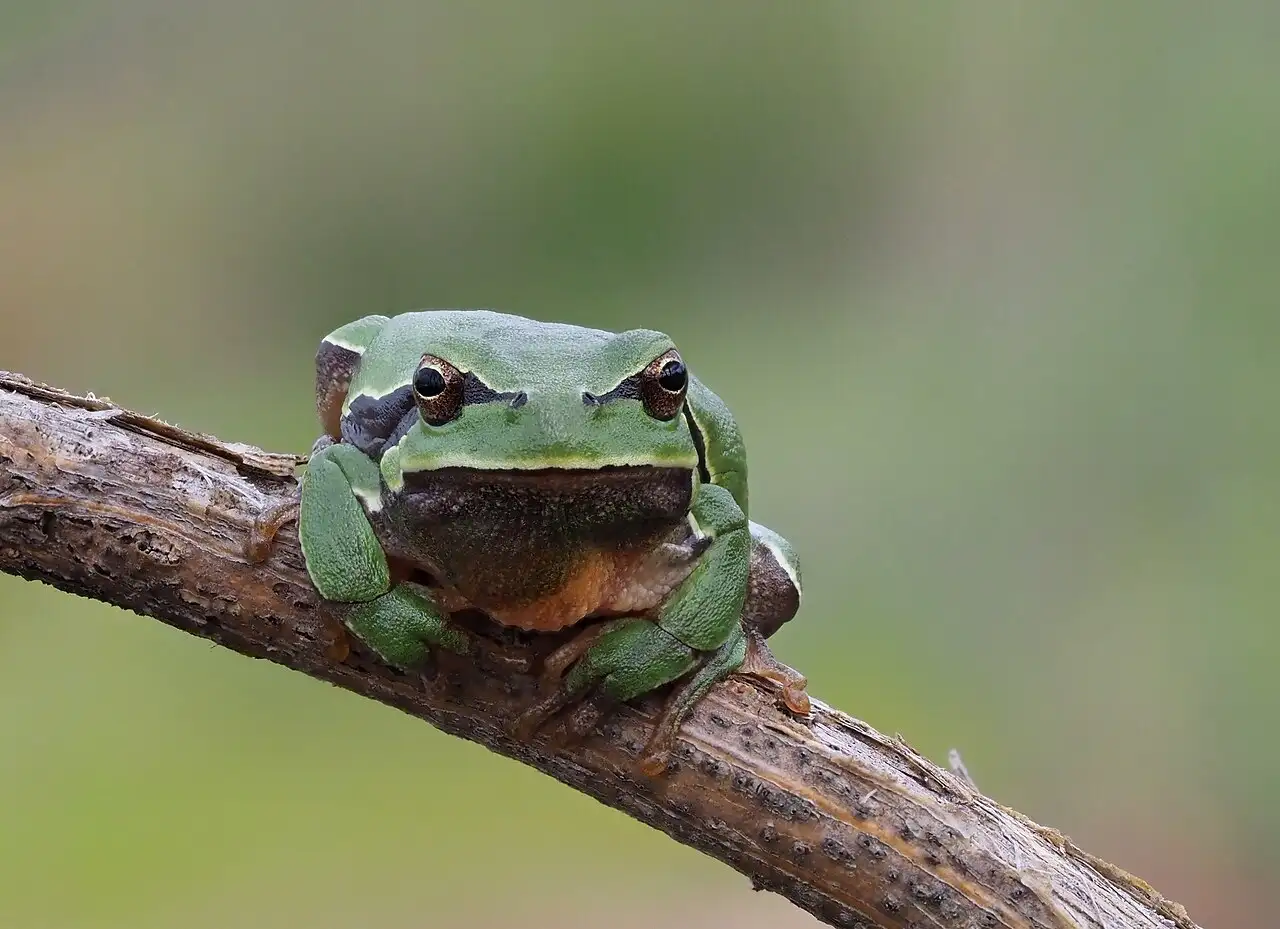
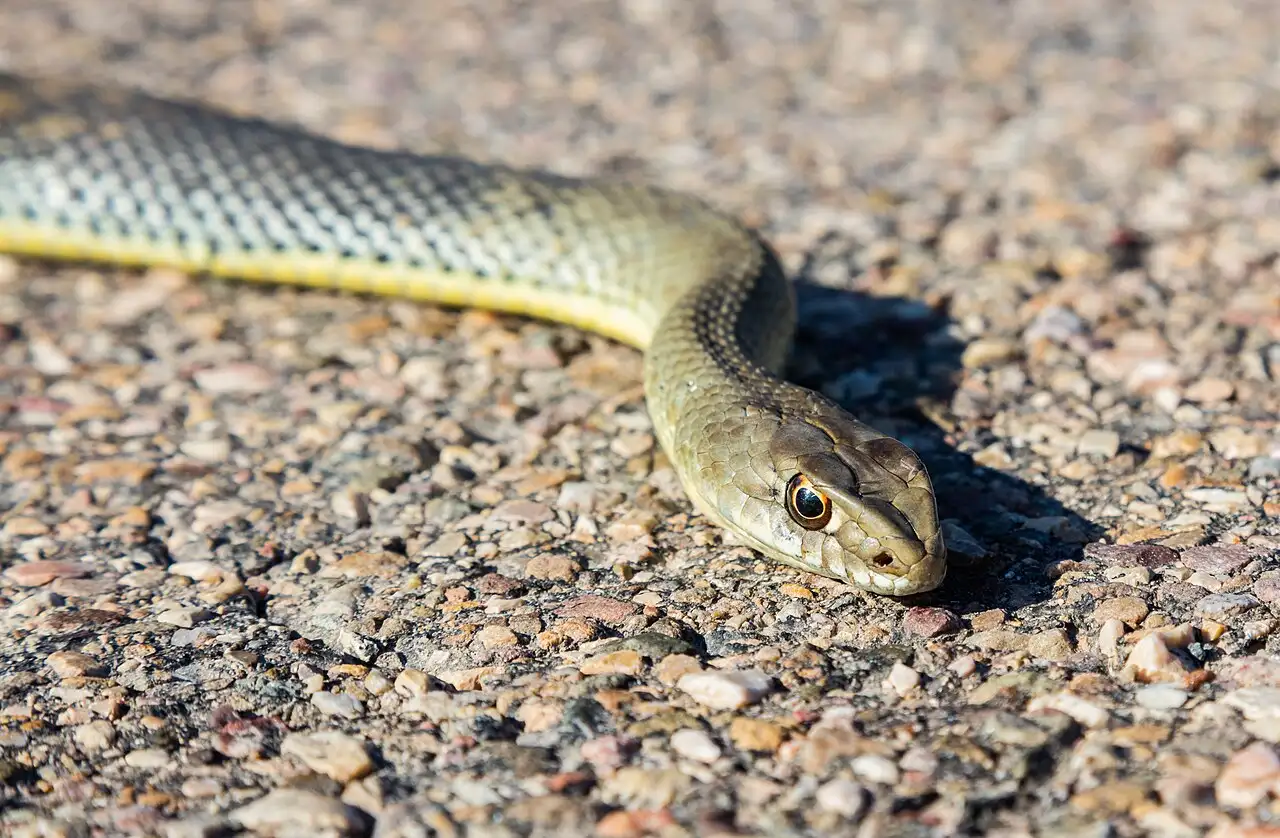
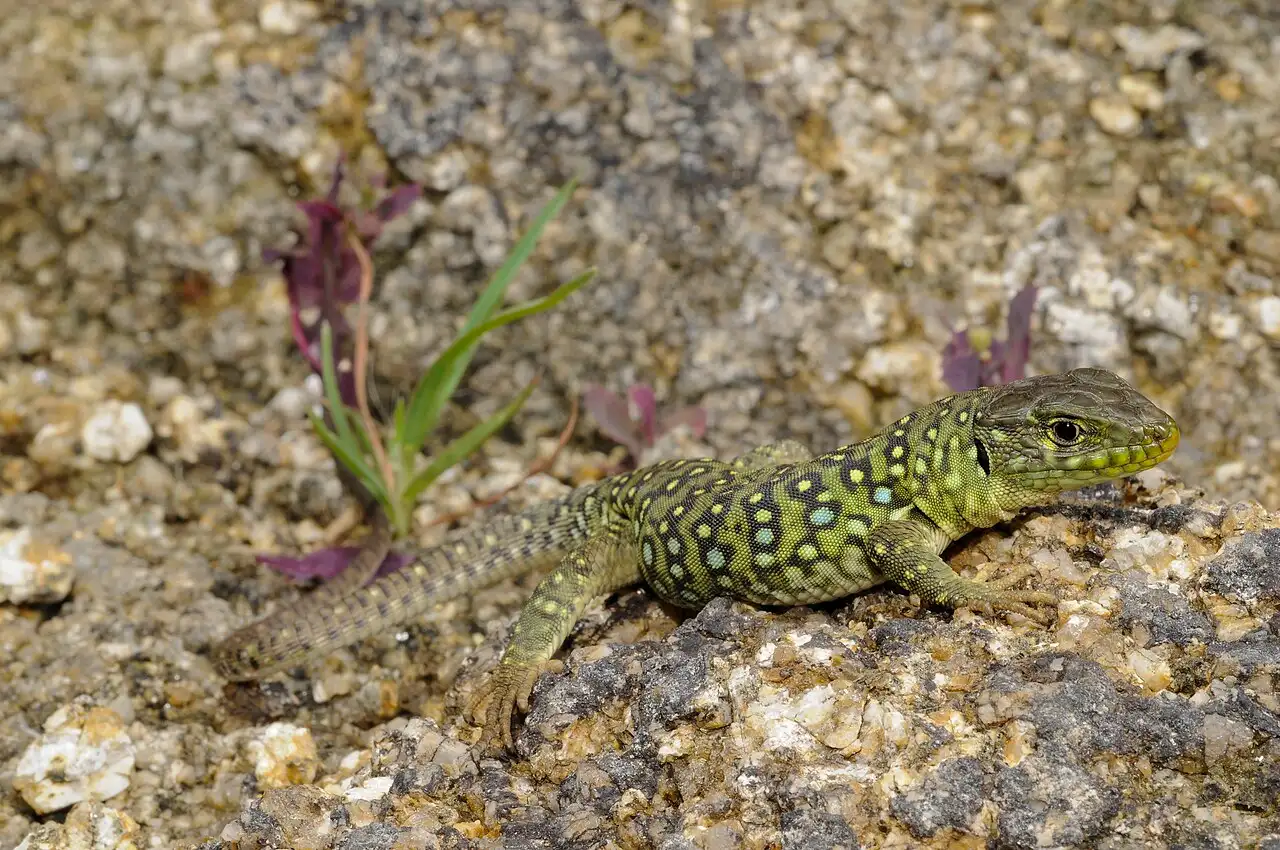


Introduction to the reptiles and amphibians of Cabañeros
Reptiles are the least cited and least known animal species in Cabañeros National Park, perhaps because of the patience needed to watch them. Even so, the beauty and curiosities that these animals can offer us are surprising, such as frogs, toads, lizards, small lizards, newts, snakes and so on.
The park is home to a total of 13 amphibians and 19 reptiles. This is an important figure that shows the wealth of wildlife of this place, since it represents 60 per cent of all the amphibian species and 50 per cent of the reptile species found on the whole Iberian Peninsula, not counting sea turtles. In addition, six of them are Iberian endemics:
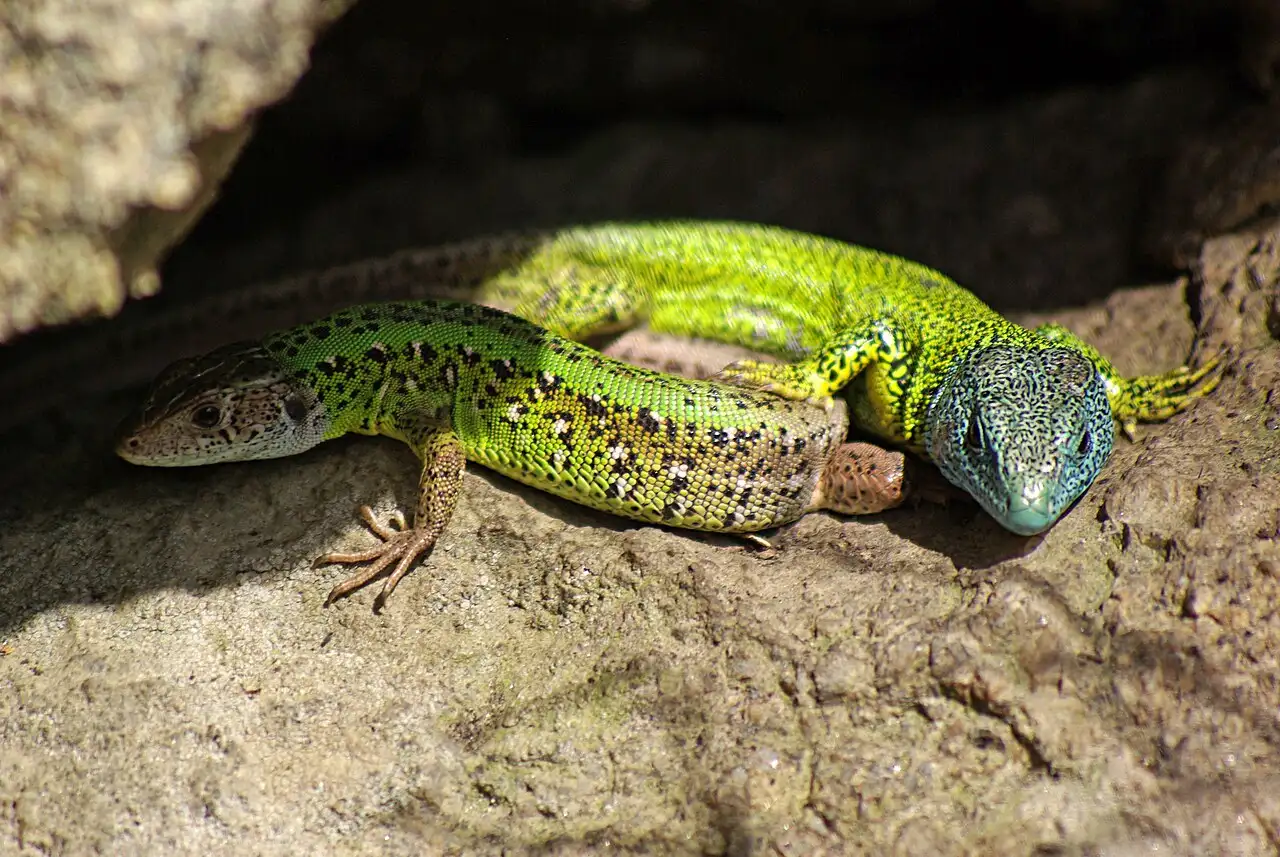
- Schreiber’s Green Lizard (Lacerta schreiberi)
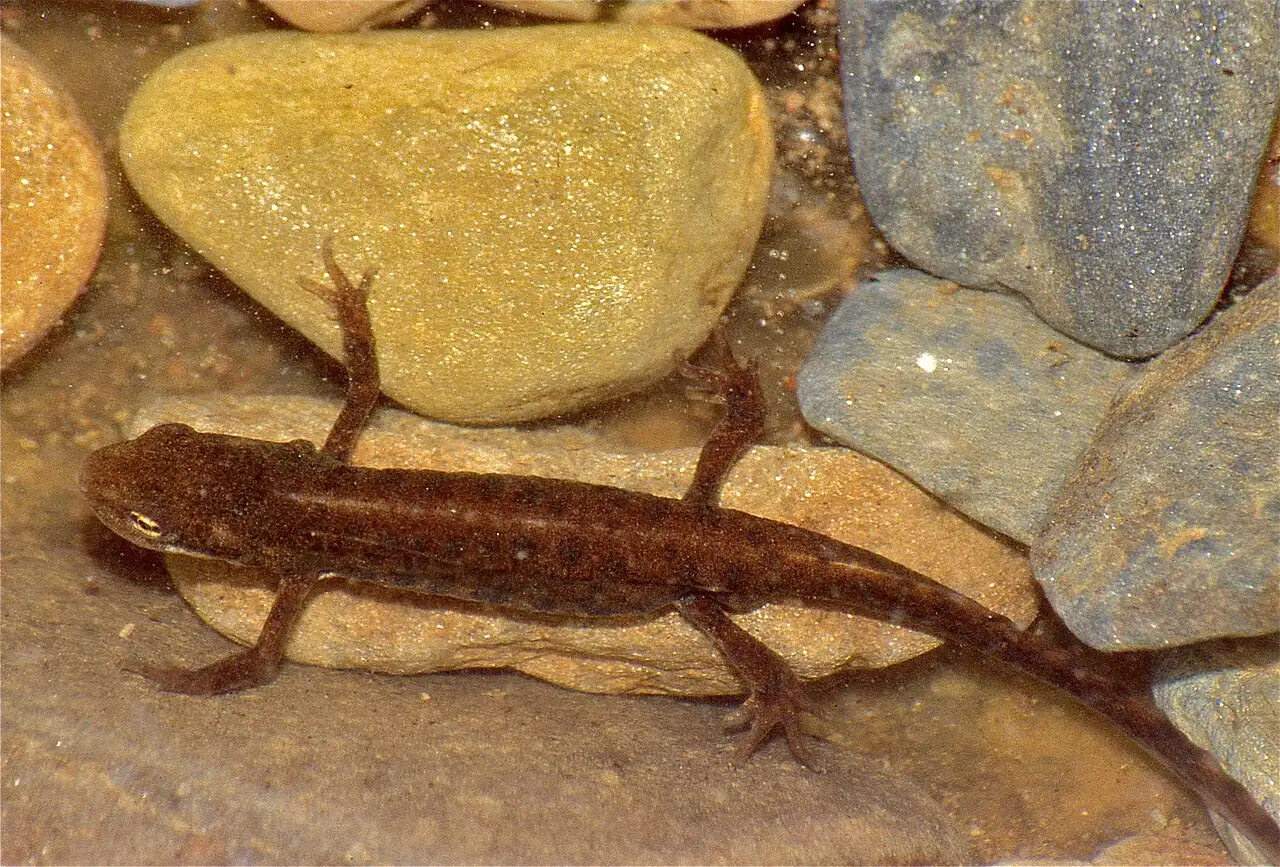
- Bosca’s Newt (Triturus boscai)
- Southern Marbled Newt (Triturus pygmaeus)
- Bedriaga’s Skink (Chalcides bedriagai)
- Iberian Midwife Toad (Alytes cisternasii)
- Iberian Painted Frog (Discoglossus galganoi)


Geographical position together with the existence of suitable habitats for amphibians and reptiles plays a fundamental role in Cabañeros, since, as animals of limited mobility, their distribution makes it possible to know their evolutionary history precisely.
Origins of the reptiles and amphibians of Cabañeros
There is a first group of species from North Africa –from when the Strait of Gibraltar did not exist– that adapted easily to the arid conditions of the Mediterranean climate. To this group belong:
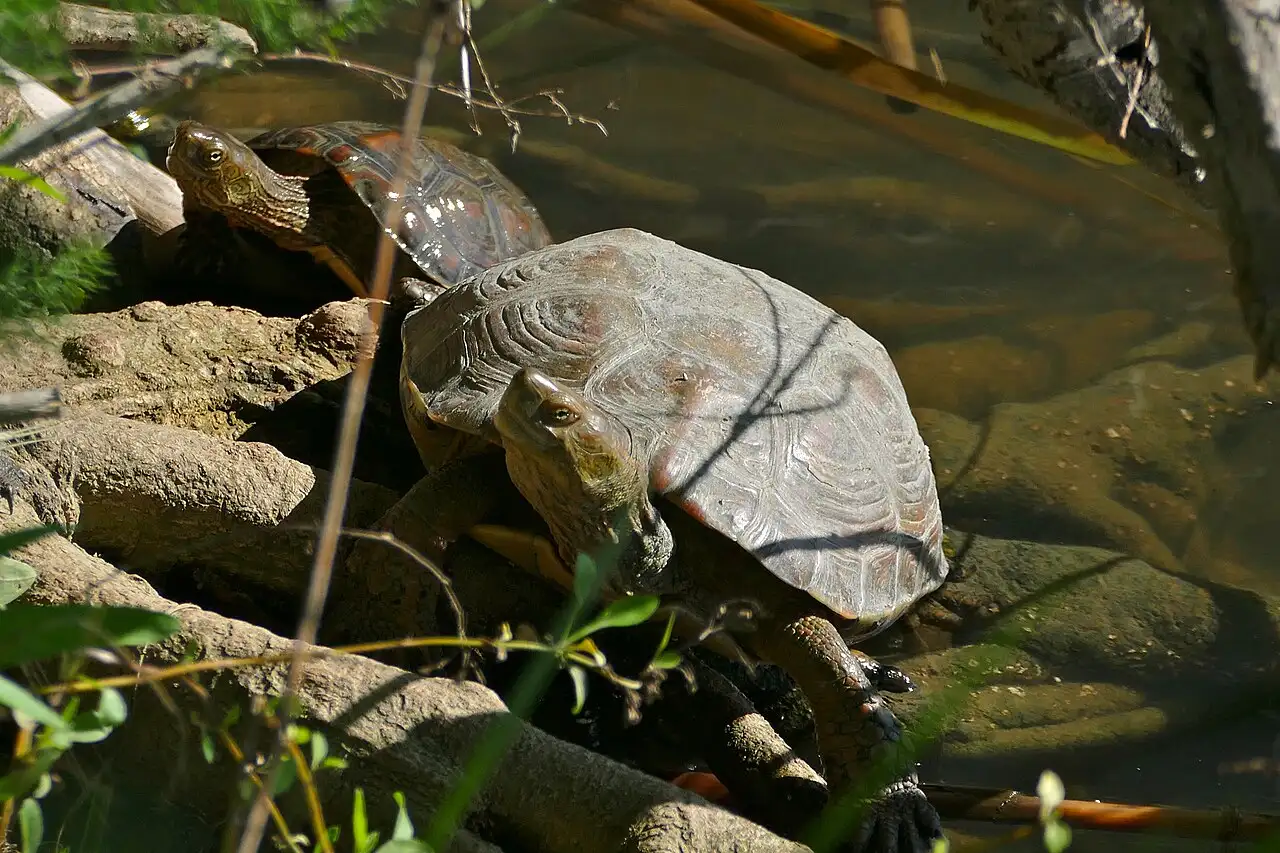
- Spanish Pond Turtle (Mauremys leprosa)
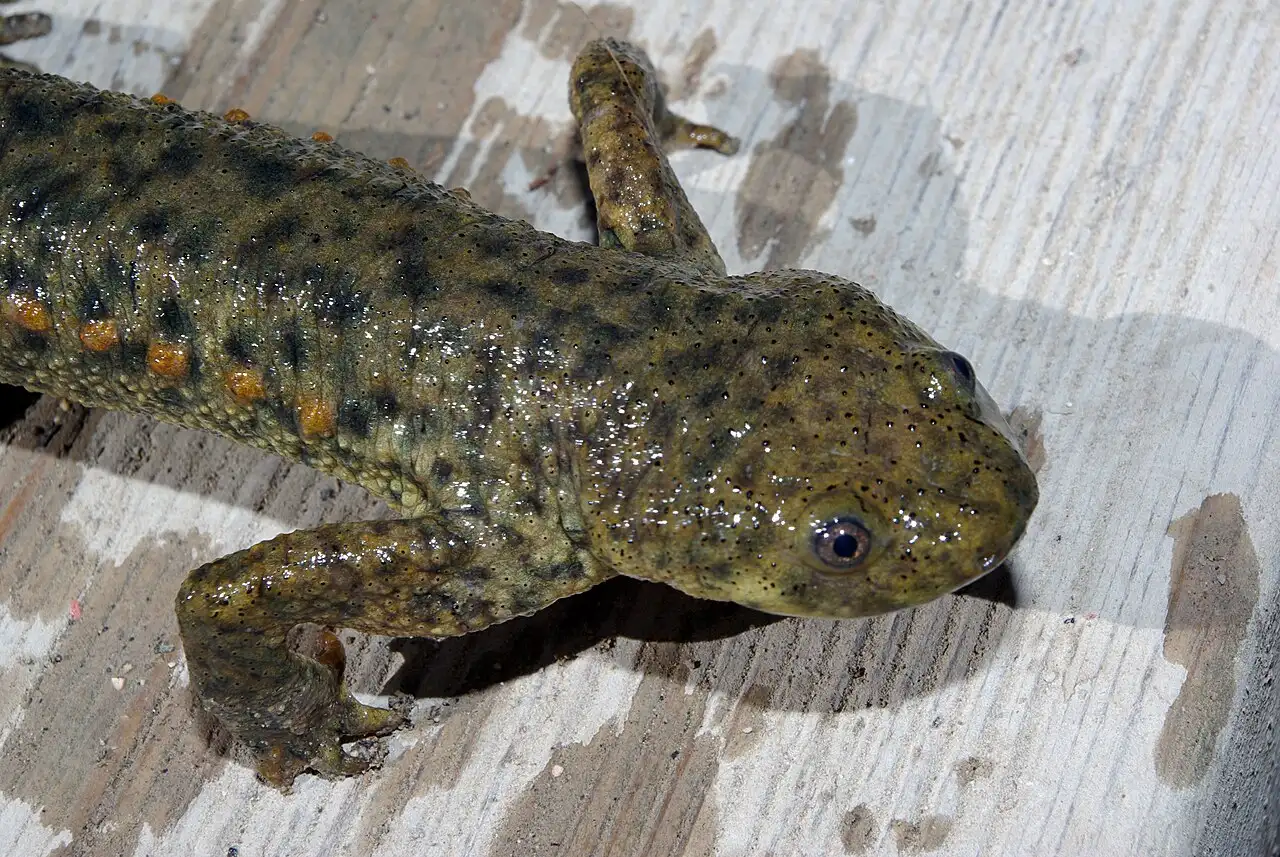
- Sharp-ribbed Newt (Pleurodeles waltl)
- Moorish Gecko (Tarentola mauritanica)
- Iberian Worm Lizard (Blanus cinereus)
- Large Psammodromus (Psammodromus algirus)
- Spanish Psammodromus (Psammodromus hispanicus)
- Ocellated Lizard (Lacerta lepida)
- Montpellier Snake (Malpolon monspessulamus)
- Horseshoe Whip Snake (Coluber hippocrepis)
- Southern Hooded Snake (Macroprotodon)


The next group is made up of species from continental Europe better adapted to the temperate climate. They colonised the peninsula during the glacial periods, when all European wildlife moved south. These species are:
- Iberian Tree Frog (Hyla arborea)
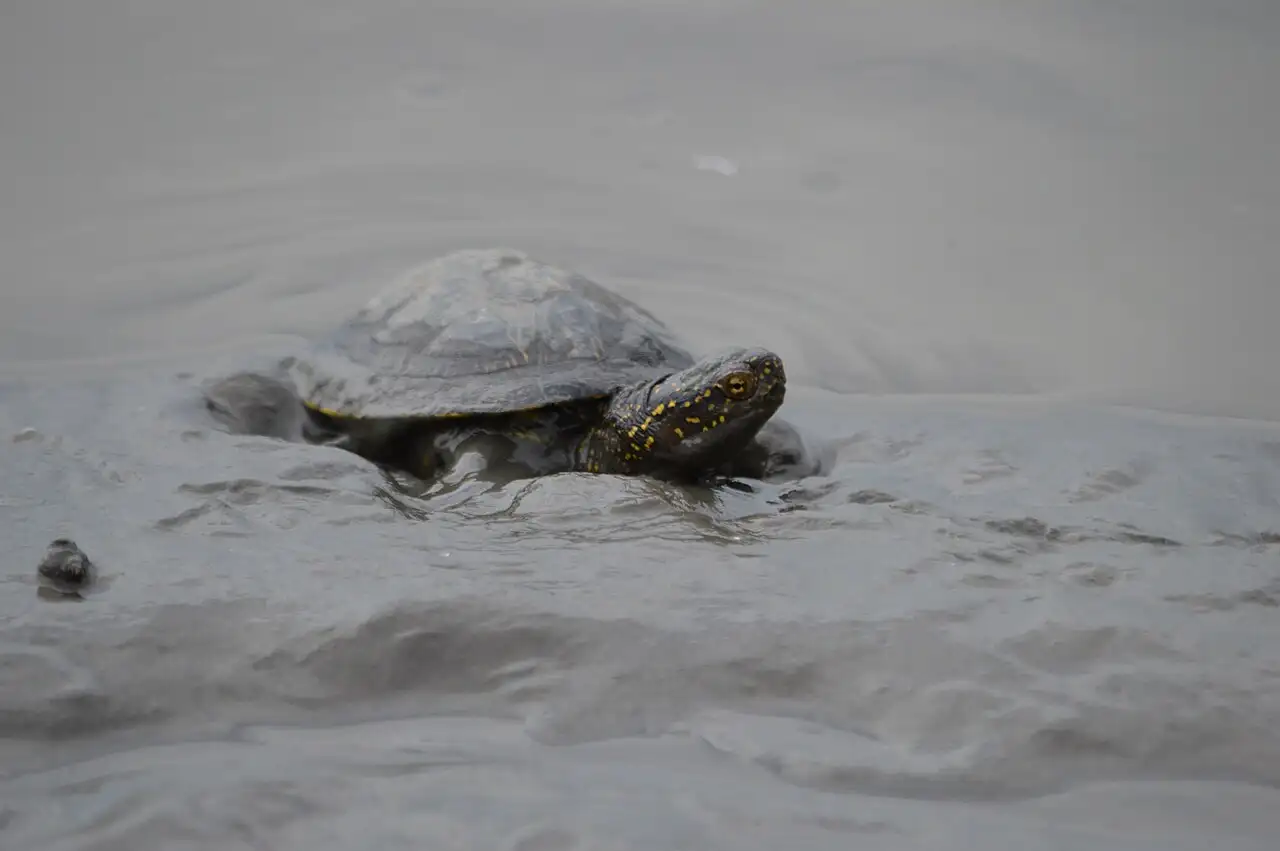
- European Pond Turtle (Emys orbicularis)
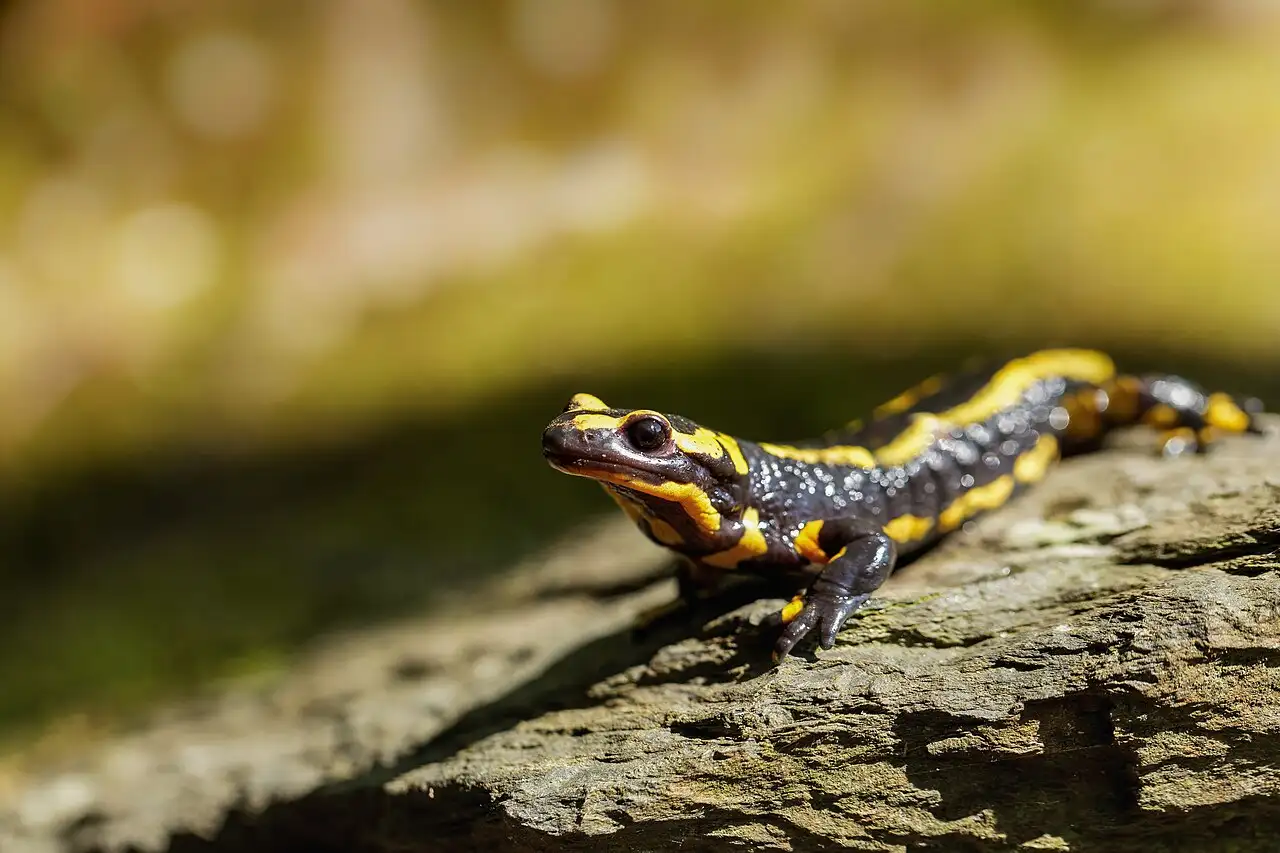
- Fire Salamander (Salamandra salamandra)


The third group is made up of species that evolved within the Iberian Peninsula and that later spread to continental Europe and North Africa.
- Western Spadefoot (Pelobates cultripes)
- Iberian Wall Lizard (Podarcis hispanica)
- Spanish Psammodromus (Psammodromus hispanicus)
- Ladder Snake (Rhinechis scalaris)
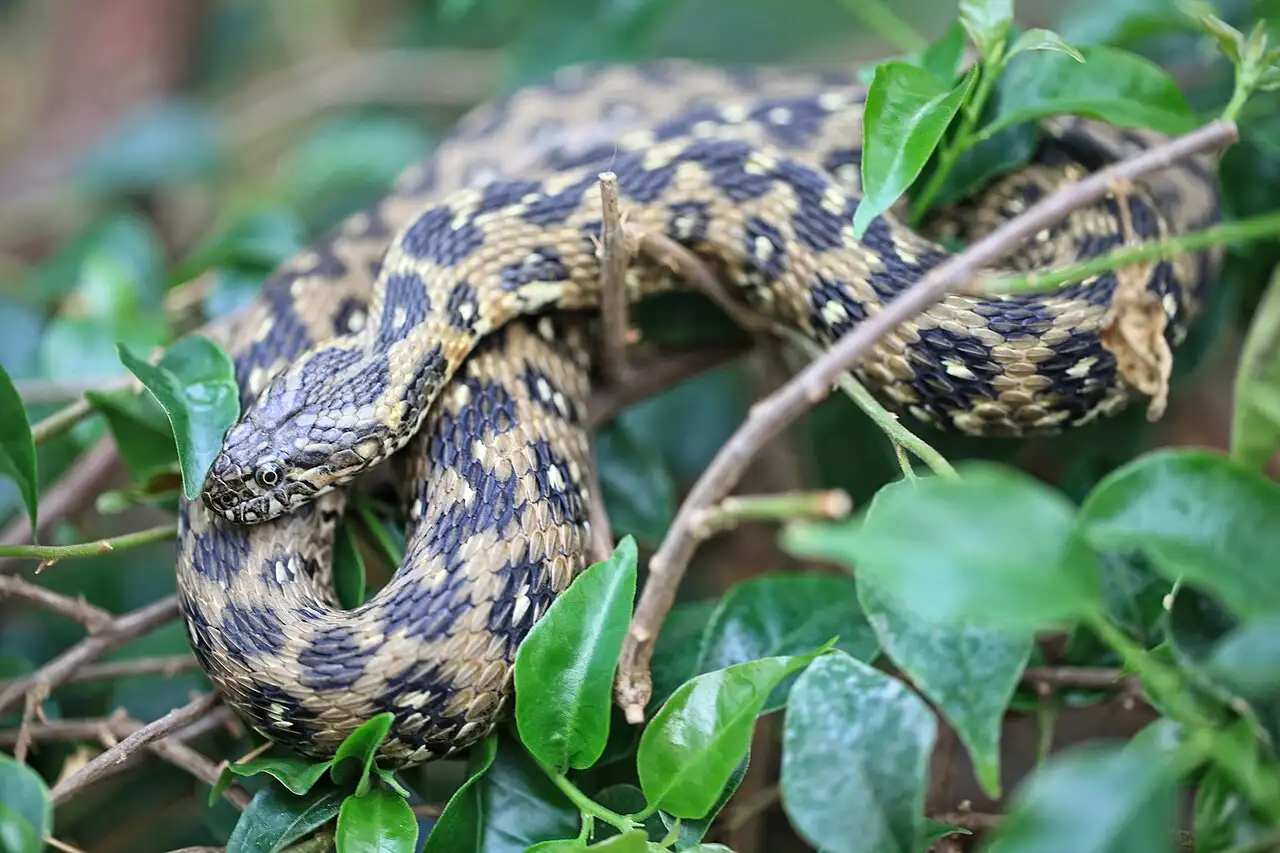
- Viperine Snake (Natrix maura)
- Lataste’s Viper (Vipera latastei)


As for the endemic species, the Schreiber’s Green Lizard and Bosca’s Newt already mentioned form part of a group that evolved in the stable geological zones of the north-west of the peninsula. They are species that appear in areas with a humid Mediterranean climate and are of great biogeographical interest.
The Schreiber’s Green Lizard (Lacerta schreiveri) is a very beautiful lizard that can be found in the north and west of the peninsula, from Galicia to the Central System. Isolated populations also appear in very humid areas of Portugal and of the Montes de Toledo. Within the park it has quite a presence in shady ravines near the upper courses of rivers and streams, where there is vegetation typical of damp microhabitats with Pyrenean oaks, yews, whitebeams, hollies and maples. It is found almost always near water in areas with very well developed plant cover, living alongside Bosca’s Newt (Triturus boscai).
Near Cabañeros, in the Sierra de Guadalupe, the Iberian Frog has been observed, a species from the same group of endemics, which makes its presence in Cabañeros possible.
It is common for species with very similar ecological characteristics but different evolutionary origins to coexist. For example, the case of the two tree frogs: the Iberian Tree Frog (Hyla arborea) and the Stripeless Tree Frog (Hyla moridionalis), which live together in the same ponds with no spatial separation between them. Just the opposite happens with the Spanish Pond Turtle (Mauremys leprosa) and the European Pond Turtle (Emys orbicularis), which tend towards spatial segregation: the European prefers small pools in the upper courses of small clean-water streams, and the Spanish chooses medium and large pools with little current in the lower parts of those same streams or in larger rivers.
Places of herpetological interest in Cabañeros
The raña
On the raña appear the most thermophilous species, those best adapted to aridity. The Ocellated Lizard (Lacerta lepida) is very abundant and can be seen in open country, near heaps of stones, in half-ruined buildings or in the hollows of old trees where it shelters. Its large size draws the attention of birds of prey such as the imperial eagle and the Short-toed Snake Eagle.
Moorish Geckos and Iberian Wall Lizards (Podarcis hispanica) are also very common, in stony areas with shrubby vegetation, near buildings.
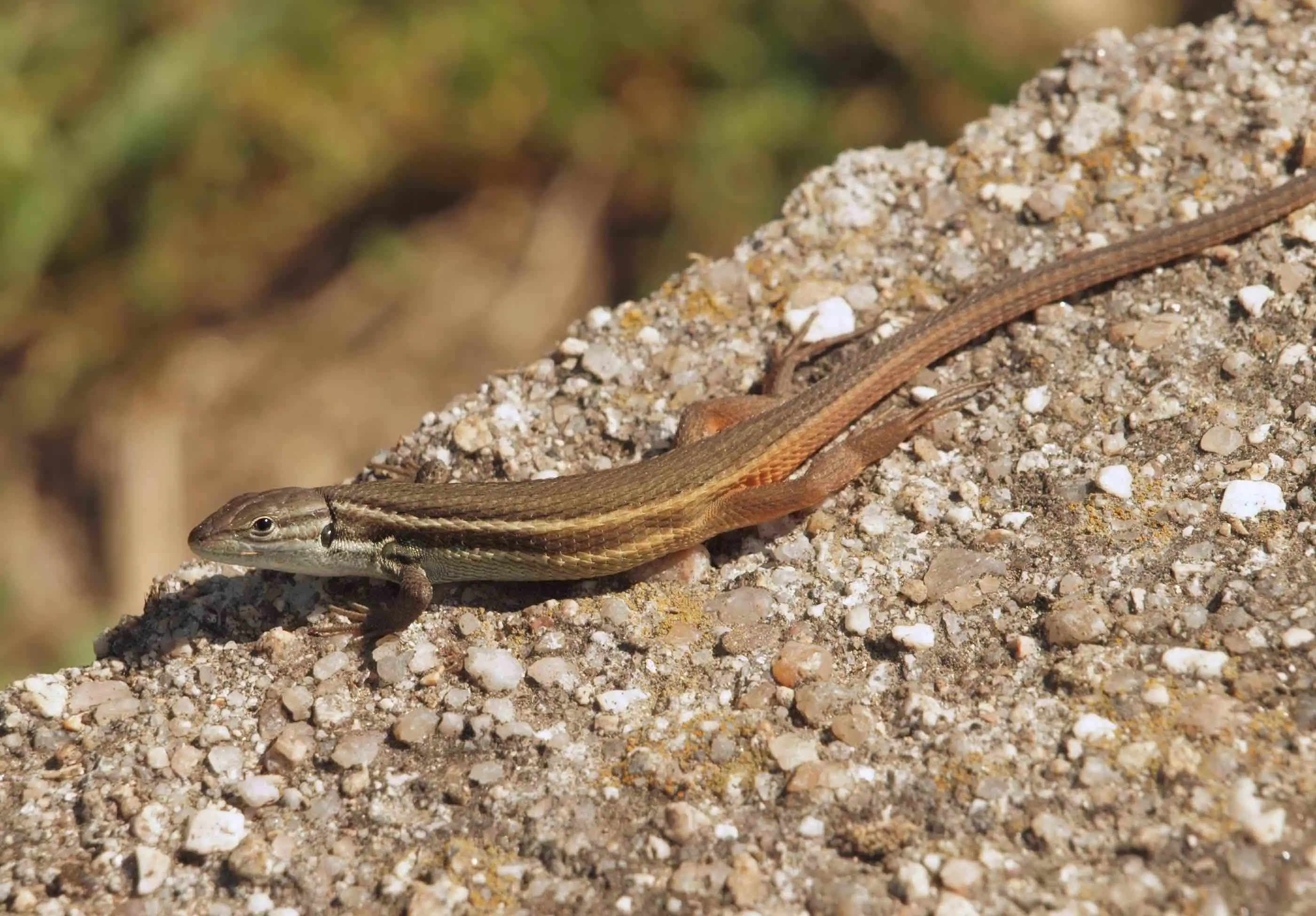
The Large Psammodromus (Psammodromus algirus) lives all over the park, in particular in shrubby areas and scrub.
The Fringe-toed Lizard (Acanthodactylus erythurus) is a European representative of a genus that is distributed across the deserts of Africa and the Middle East. It leans towards more open areas with a substrate of sand or loose earth.
The Spanish Psammodromus (Psammodromus hispanicus), small and harder to see, prefers thyme patches and areas of low scrub.
On the raña the snakes with more thermophilous characteristics also appear, such as:
- Southern Hooded Snake (Macroprotodon cucullatus): a small snake of nocturnal habits present in arid zones.
- Horseshoe Whip Snake (Coluber hippocrepis): a climbing species that sometimes goes up trees and bushes.
- Montpellier Snake (Malpolon monspessulamus): a large snake.
- Ladder Snake (Elaphe scalaris): with a robust body and a relatively short tail.
The streams that reach the Raña from the neighbouring mountains form some permanent ponds with hardly any current, where dense marsh vegetation grows. Here you can find quite a few Iberian Water Frogs (Rana perezi), Spanish Pond Turtles (Mauremys leprosa), Viperine Snakes (Natriz maura) and the Common Toad (Bufo bufo), which uses the ponds for breeding in spring. In areas near the streams the Iberian Midwife Toad (Alytes cisternasii) appears. Finally there are other species that opt for the small ponds left by seasonal rains in the dehesas, for example the Iberian Painted Frog (Discoglossus galganoi) and the Natterjack Toad (Bufo calamita).
The Laguna de los Cuatro Morros
The Laguna de los Cuatro Morros is a seasonal lagoon of notable size in the south of the park, near the Monte del Rostro, and an ideal place to look for amphibians. It is a shallow lagoon that forms in autumn and dries up at the end of spring. It is surrounded by dense vegetation of holm oaks and Pyrenean oaks, with rockrose and heather scrub. Among its species, near the scrub, you can find the two tree frogs: Iberian Tree Frog (Hyla arborea) and the Stripeless Tree Frog (Hyla moriodonalis). Likewise, 3 of the 4 species of urodeles in Cabañeros appear: the Sharp-ribbed Newt (Pleurodeles waltl), the Southern Marbled Newt (Triturus pigmeus) and an occasional Bosca’s Newt (Triturus boscai).
The Brezoso stream
In the north-west of the park, in the upper part of the Brezoso stream, there is an area of quaking bogs ending in a small reservoir where Spanish Pond Turtles (Mauremys leprosa), Iberian Water Frogs (Rana perezi) and Viperine Snakes (Natrix maura) live. Going a little further up the stream there is a string of small pools of clear water and strong current, in which European Pond Turtles (Emys orbicularis) can be seen easily. Beside the stream, on the leaf-litter floor of the Pyrenean oak wood, Fire Salamanders (Salamandra salamandra) appear in rainy periods. By contrast, in the hotter areas of shrubby vegetation, Schreiber’s Green Lizard Lacerta schreiberi is found.
The Estena river
It is one of the richest areas as far as amphibians and reptiles are concerned. In the pools of the Boquerón, near Navas de Estena, numerous Iberian Water Frogs (Rana perezi) and pond turtles live, the European (Emys orbicularis) and, mainly, the Spanish (Mauremys leprosa). Around the river also live Schreiber’s Green Lizards (Lacerta schreiberi), Ocellated Lizards (Lacerta lepida), Iberian Wall Lizards (Podarcis hispanica) and Large Psammodromuses (Psammodromus algirus). In its upper course, beyond 1,200 metres of altitude, the clear, crystalline waters of the river drop violently, hemmed into a ravine whose riverside vegetation is very diverse, with yews, maples, hollies, strawberry trees, Portuguese oaks, willows and ash trees. It is here that it is easiest to find Schreiber’s Green Lizard and Bosca’s Newt.
Amphibians today
Twelve species of amphibians live in the park: Sharp-ribbed Newt, Fire Salamander, Bosca’s Newt, Southern Marbled Newt, Iberian Midwife Toad, Iberian Painted Frog, Western Spadefoot, Common Parsley Frog, Common Toad, Natterjack Toad, Iberian Tree Frog and Iberian Water Frog. They have a hard time. Their skin lets almost everything through and they live half in water and half on land, which makes them very sensitive: to spills and pesticides, to ponds that dry up or are ploughed, to drinking troughs and springs that are abandoned, to trampling by herbivores at water points, to diseases such as chytridiomycosis or ranaviruses and to invaders that eat their eggs and larvae, such as the American crayfish, the mosquitofish, the pumpkinseed or the largemouth bass. With droughts, besides, many ponds dry up before the larvae finish metamorphosis. In that of 2022–2023, the worst of recent years, amphibians were among the animals that suffered most.
In the park, enclosures and new seasonal ponds have been made for them, with the PIMA Adapta plan, and the Spanish Herpetological Association follows their populations. If you come across one, take a photo and leave it where it is: all are protected. If it has to be taken out of a manhole or a tank it cannot get out of, use disposable gloves, so as not to pass on fungi or the grease of your hands, and do not take it elsewhere. And on rainy days, drive slowly: that is when most of them cross. Sources: park newsletters of March–April 2023 and January–February 2024 (all the newsletters) (in Spanish).
Bibliography:
- Olmedo, Gaspar. (1997). Anfibios Reptiles. En Parque Nacional de Cabañeros (pp. 177-190). Madrid, España: Ecohábitat.