
Birds
Birds of the wetlands
Seasonally flooded meadows
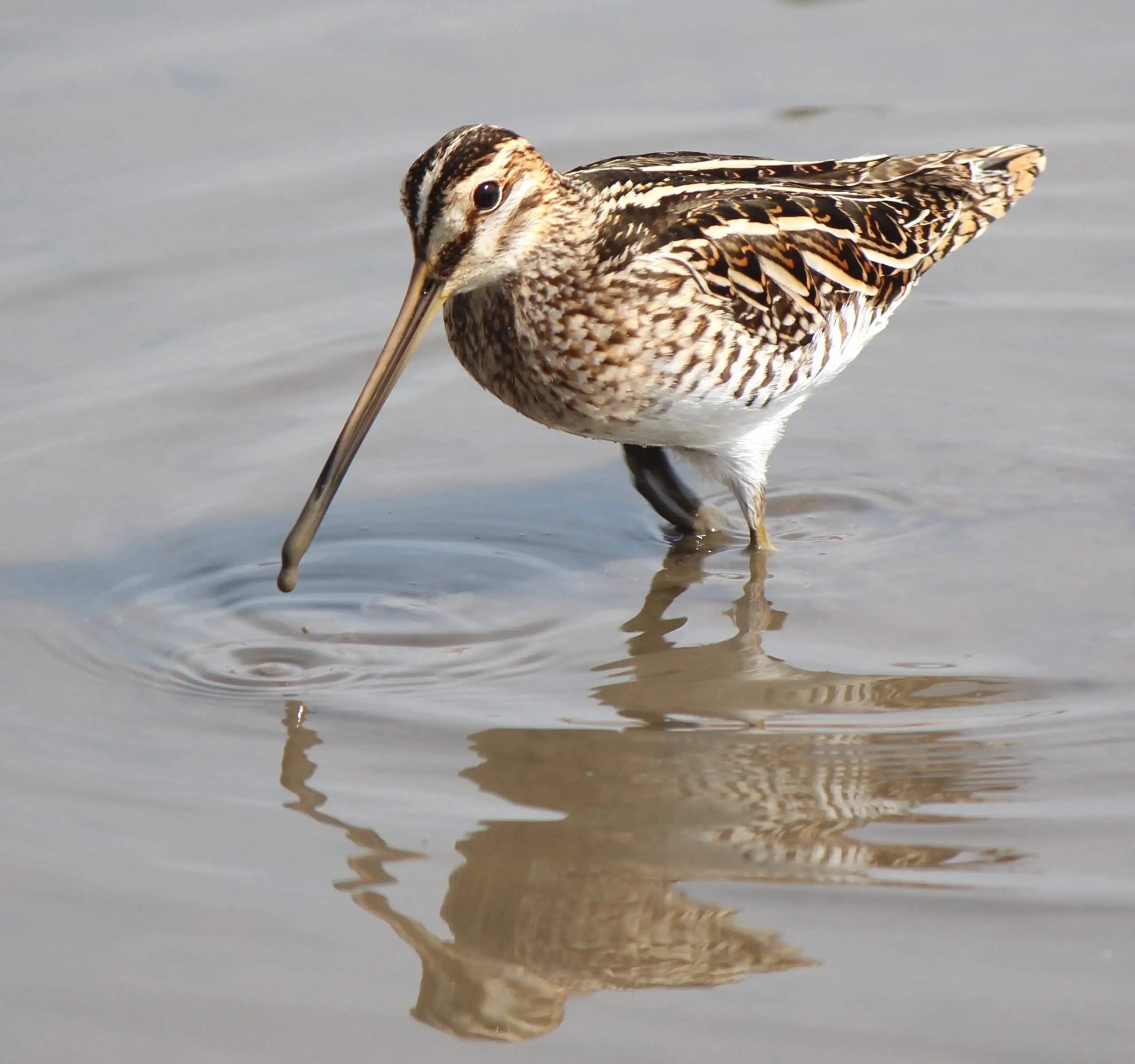
These are shallow seasonal wetlands, less than 15 cm deep, that form in winter, when the annual grasslands of the raña become waterlogged, and that dry out at the start of summer. They have spring vegetation dominated by species such as buttercups (Ranunculus sp.) or orchids (Orchis palustris). Among their birds are 3 winter species and one summer species:


- Common Snipe (Gallinago gallinago)
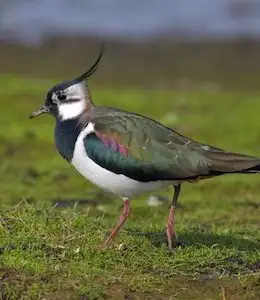
- Northern Lapwing (Vanellus vanellus)
- European Golden Plover (Pluvialis apricaria)
- Common Quail (Coturnix coturnix), a summer species.


Ponds
They are small and less than 50 cm deep. In spring they are covered with buttercups, and in summer the basin is bare. Their seasonality is not so marked, with a dry period of under 4 months. Their birdlife is scarce: only now and then does the Mallard (Anas plathyrynchos) appear, which usually breeds in rainy years, and the Grey Heron (Ardea cinerea) on migration. Nevertheless, these wetlands are very valuable for many species at the start of summer, in particular for the White Stork, which uses them to gather in the middle hours of the day. Sometimes groups of vultures also appear to preen.


Banes
These are wetlands fed by groundwater, which produces a water-loving vegetation different from that of its surroundings. The dominant plant species are the bramble (Rubus sp.,) the willow (Salix atrocinerea) and the ash (Fraxinus angustifolia). There is a single stand of white poplar (Populus alba) near the stork colony, most likely because of groundwater that picks up clastic carbonate after running through a bed of Devonian limestones. As for their birds, woodland birds appear in very open surroundings:
- Cetti’s Warbler (Cettia cetti)
- Cirl Bunting (Emberiza cirlus)


More birds of Cabañeros
Bibliography:
- Jiménez García Herrera, José. (1997). Avifauna. En Parque Nacional de Cabañeros (pp. 192-224). Madrid, España: Ecohábitat.