Macroinvertebrates, plants, seeds, algae, detritus and fish
Social life
Young in shoals; adults more solitary
Conservation status
LC
NT
VU
EN
CR
EW
EX
Global (IUCN)
Vulnerable
Spain
Vulnerable (Red Data Book)
When to see it
Fish · in Cabañeros
In the Estena river, according to the park guide.
Months of the yearly cycle
J
F
M
A
M
J
J
A
S
O
N
D
Spawning
no
no
no
yes
yes
yes
no
no
no
no
no
no
Photos of the Comizo Barbel
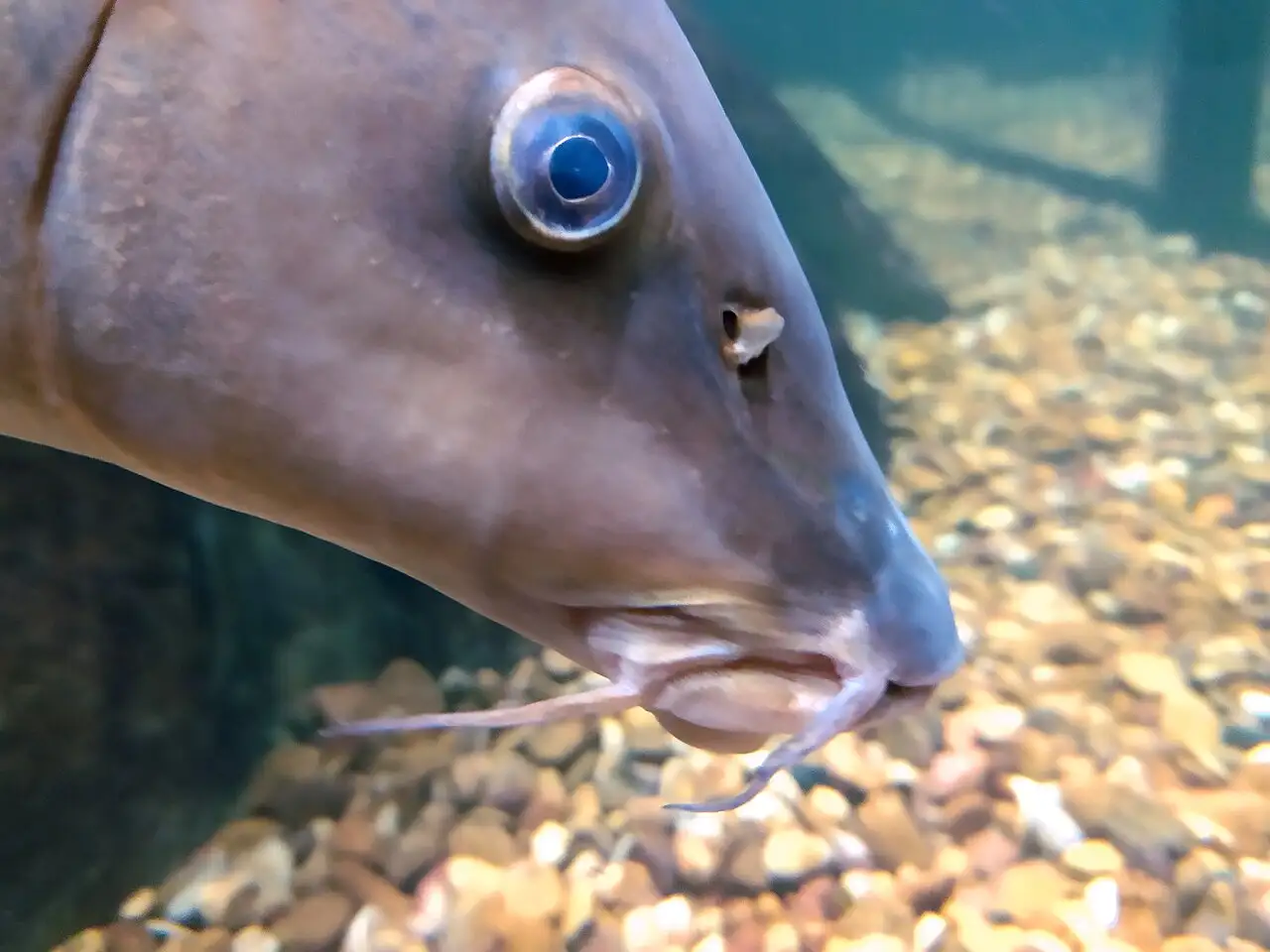
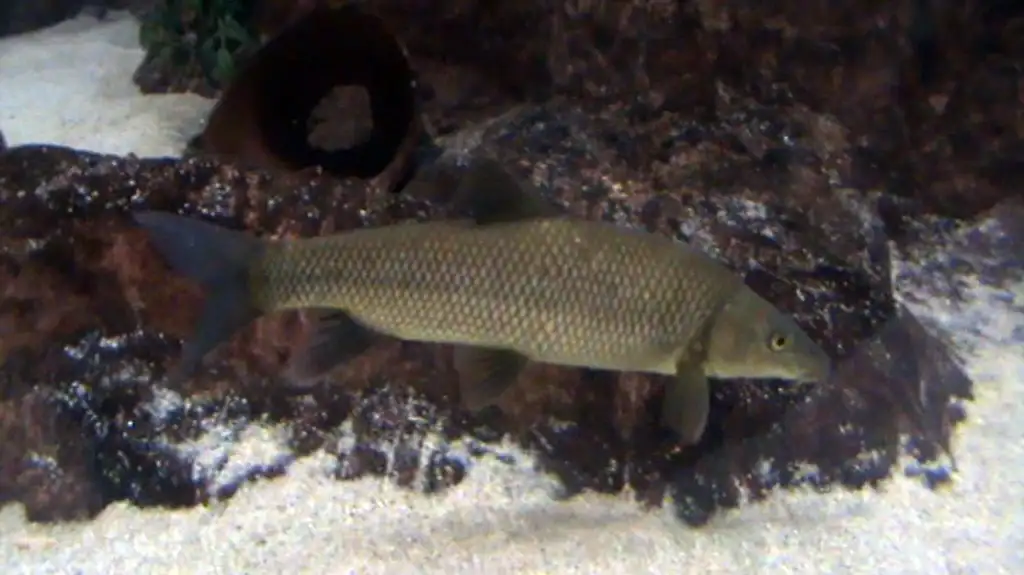
Head of a Comizo Barbel, elongated, with the barbels at the mouthPhoto: El tiu Cancho, CC BY-SA 4.0Photo 1 of 2
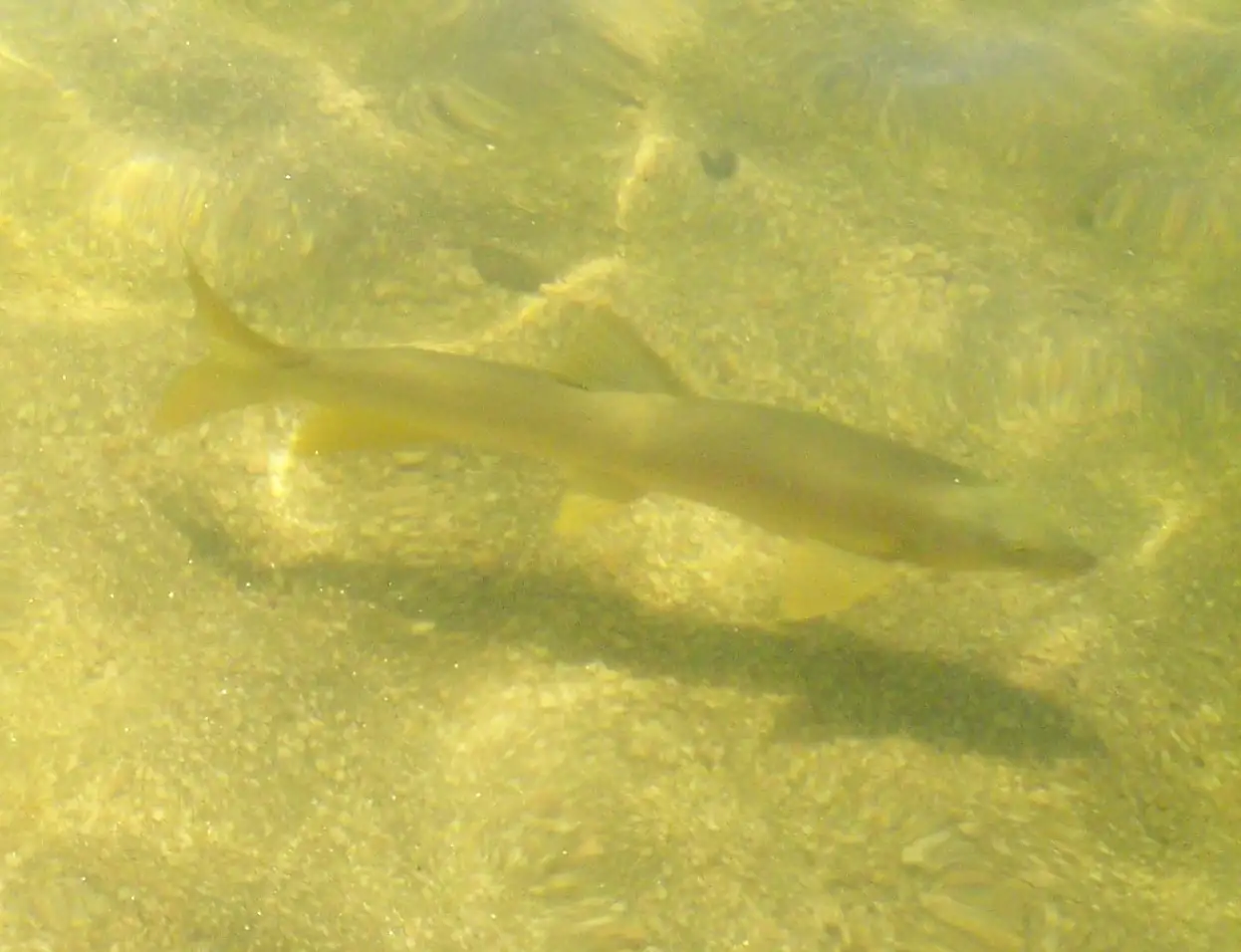
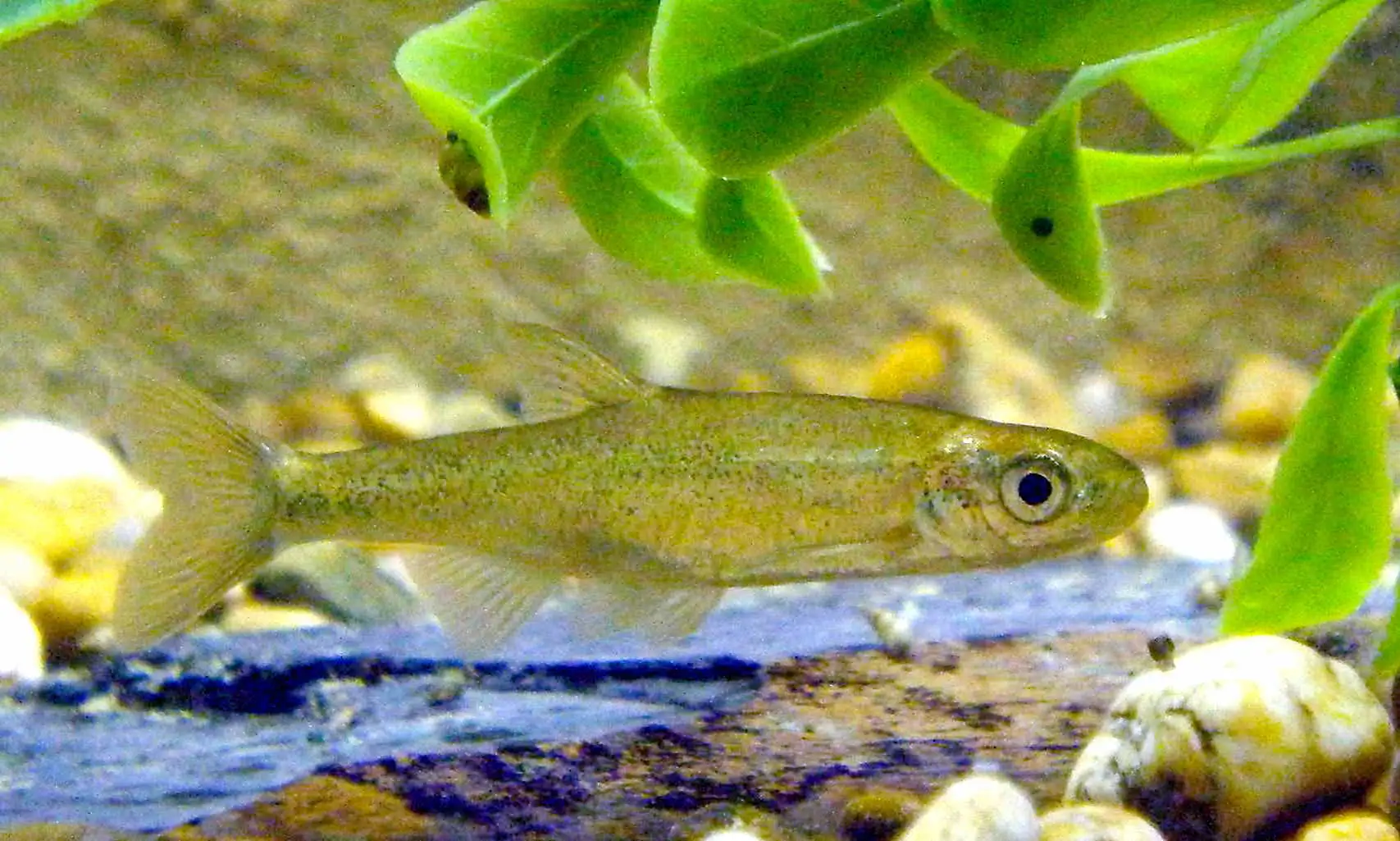
A Comizo Barbel swimming over a river bedPhoto: Osado, CC BY-SA 3.0Photo 2 of 2
1 / 2
Identification of the Comizo Barbel
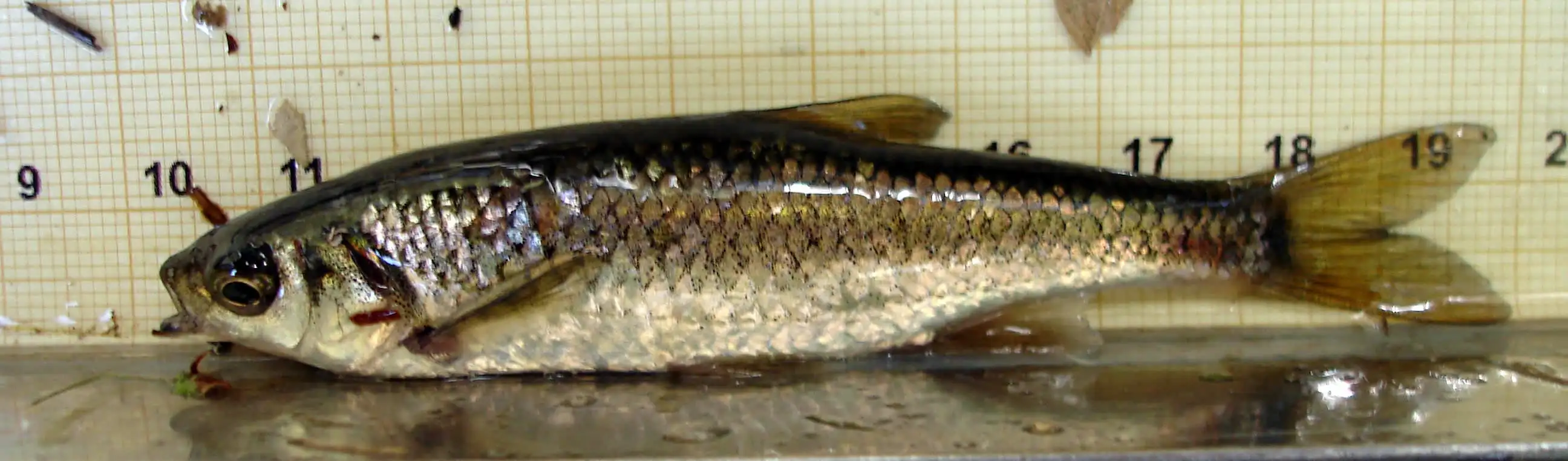
It is the largest barbel of the peninsula: up to 93 centimetres in total length. Those under 15 centimetres have black spots on the body.
Habitat and distribution of the Comizo Barbel
An Iberian endemic of the Tagus and Guadiana basins, in the middle and lower stretches of rivers.
Breeding of the Comizo Barbel
Little is known. It breeds in spring and early summer, from April to June, in shallow, fast water, when the male develops nuptial tubercles on the head.
Diet of the Comizo Barbel
It eats macroinvertebrates, aquatic plants, seeds, detritus, algae and fish, and with age the proportion of plants and sediment increases.
The Comizo Barbel in Cabañeros
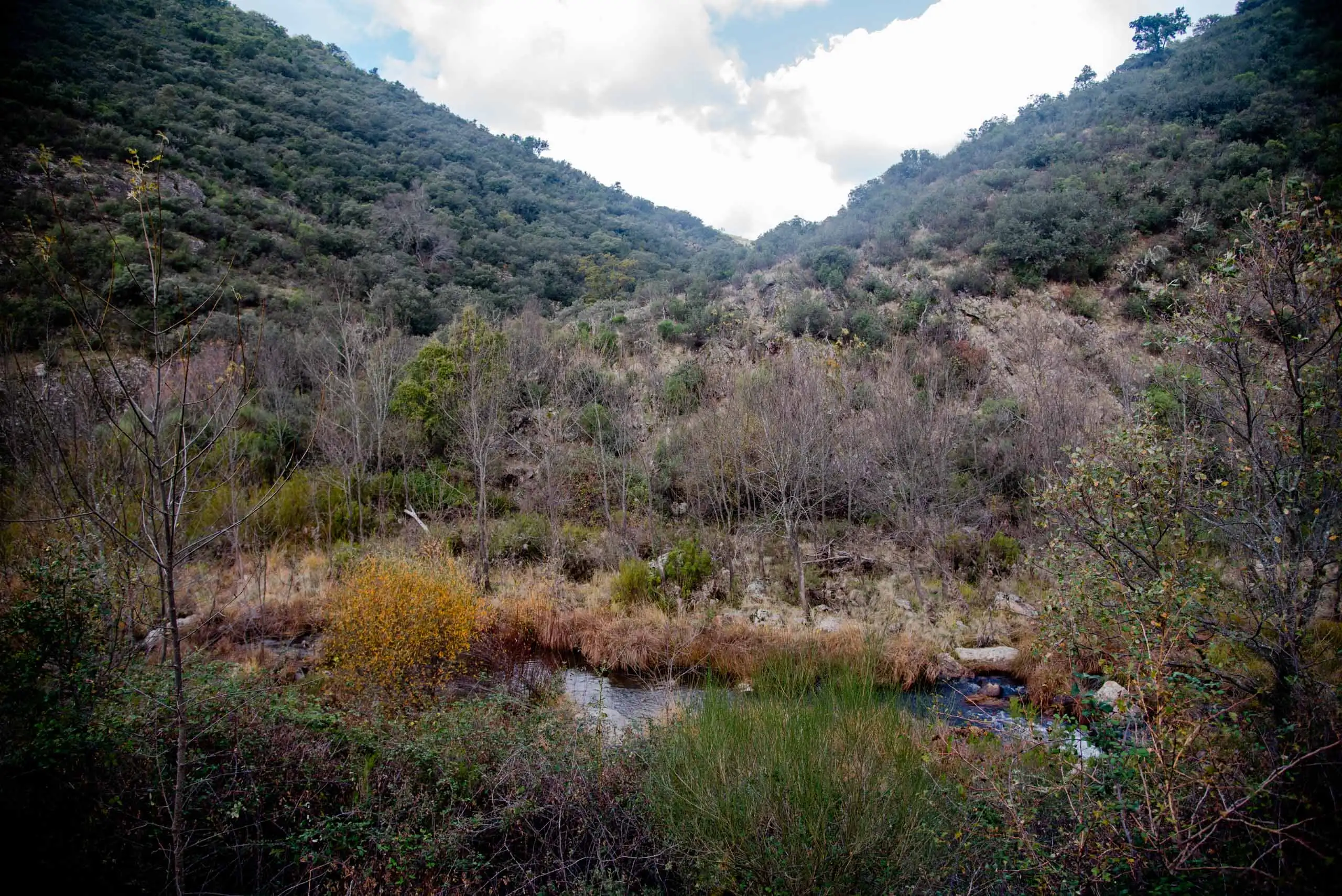
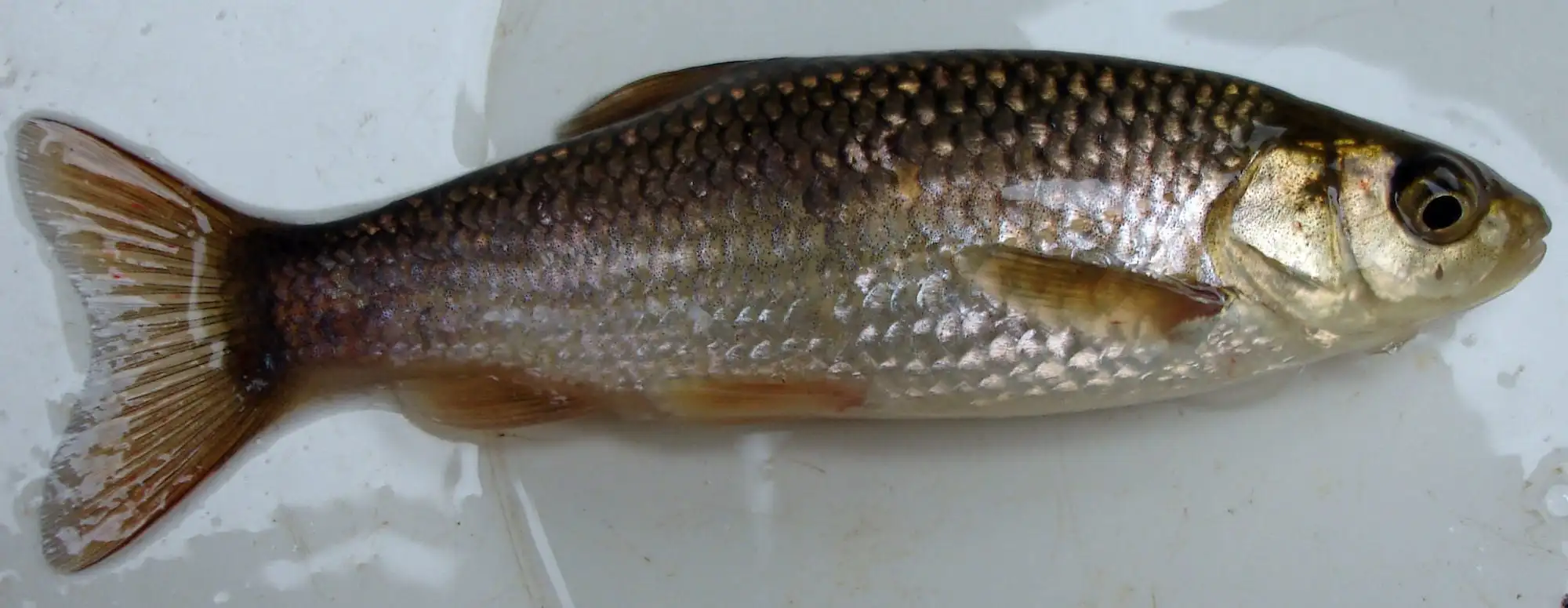
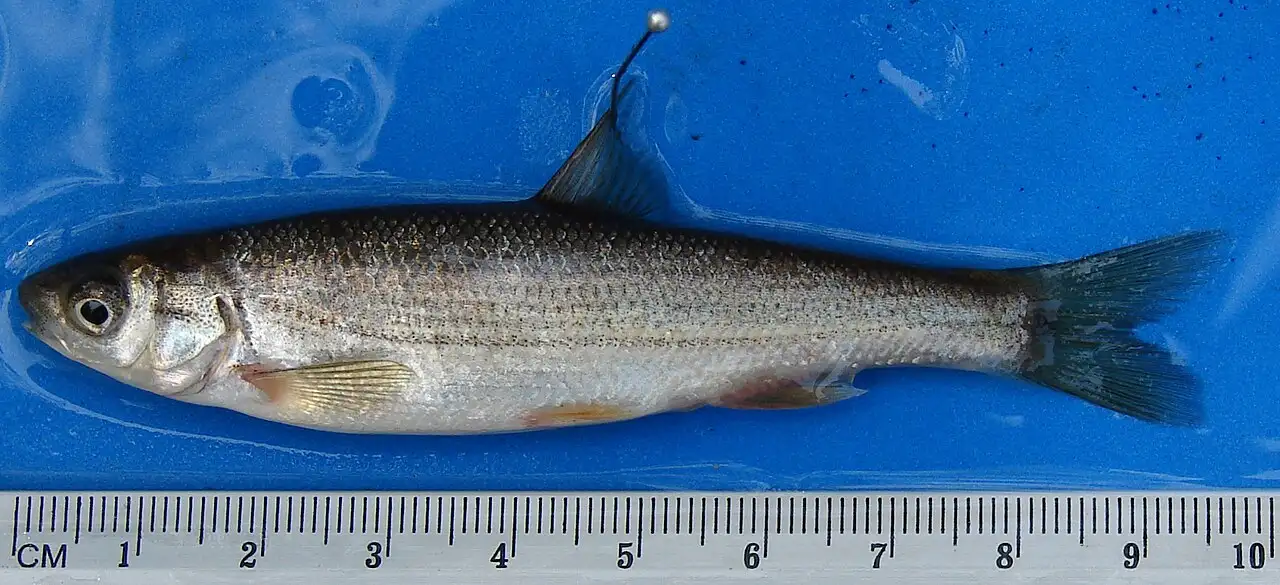
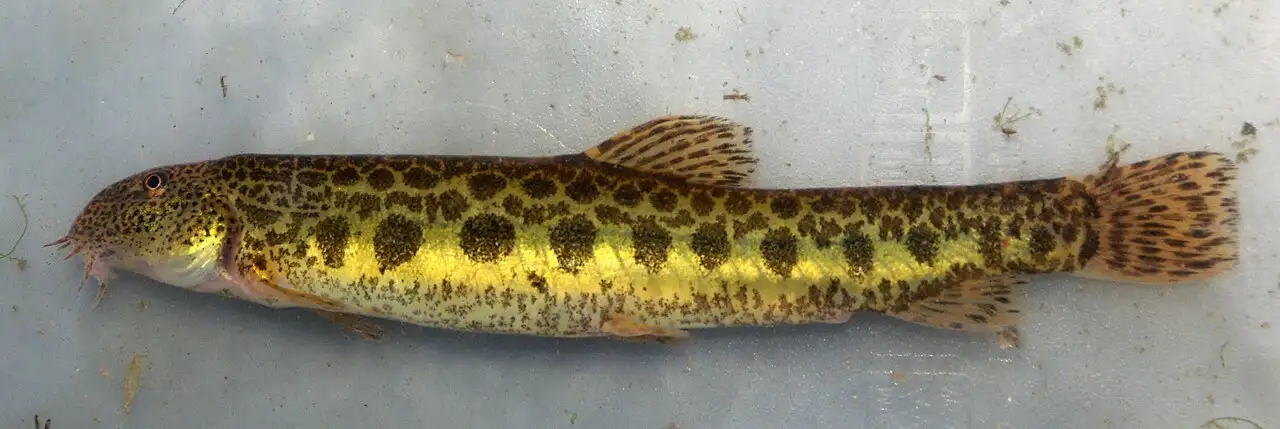
The park guide cites it among the native fish of the Estena river, «a good part of which show some degree of threat». Barbels need sufficient flows and specific areas for laying.
Can it be seen in Cabañeros?
From the bank, in clear water, you can sometimes see barbels in the pools. Swimming is not allowed in the rivers of the park.
Morán López, R. (2017). Barbo comizo – Luciobarbus comizo. En: Enciclopedia Virtual de los Vertebrados Españoles. Museo Nacional de Ciencias Naturales (CSIC). vertebradosibericos.org
OAPN (2011). Guía de visita del Parque Nacional de Cabañeros. PDF