
Fish
Iberian Arched-mouth Nase
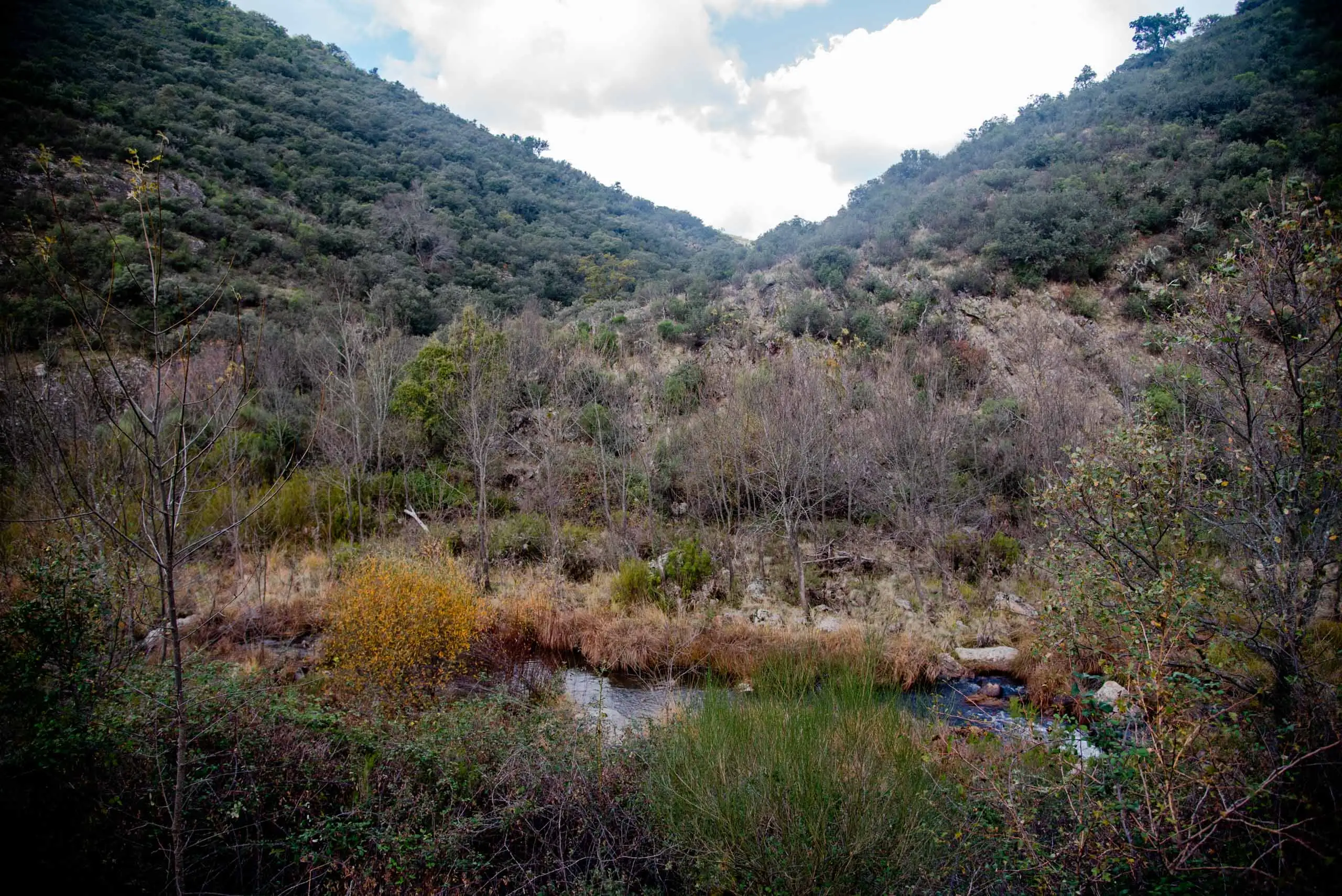
Iberochondrostoma lemmingiiCover photo: the Estena river at the Boquerón, where it lives. We have not found any free photo of this species.
Characteristics of the Iberian Arched-mouth Nase
- Order
- Cypriniformes
- Family
- Leuciscidae
- Species
- Iberochondrostoma lemmingii
- Length (does not exceed)
- 15 cm
- Activity
- In slow-flowing stretches
- Diet
- Algae and zooplankton
- Social life
- Gregarious
Conservation status
- Spain
- Vulnerable (Red Data Book)
- Castilla-La Mancha
- Of special interest
When to see it
Fish · in CabañerosIn the Estena river, according to the park guide.
Identification of the Iberian Arched-mouth Nase
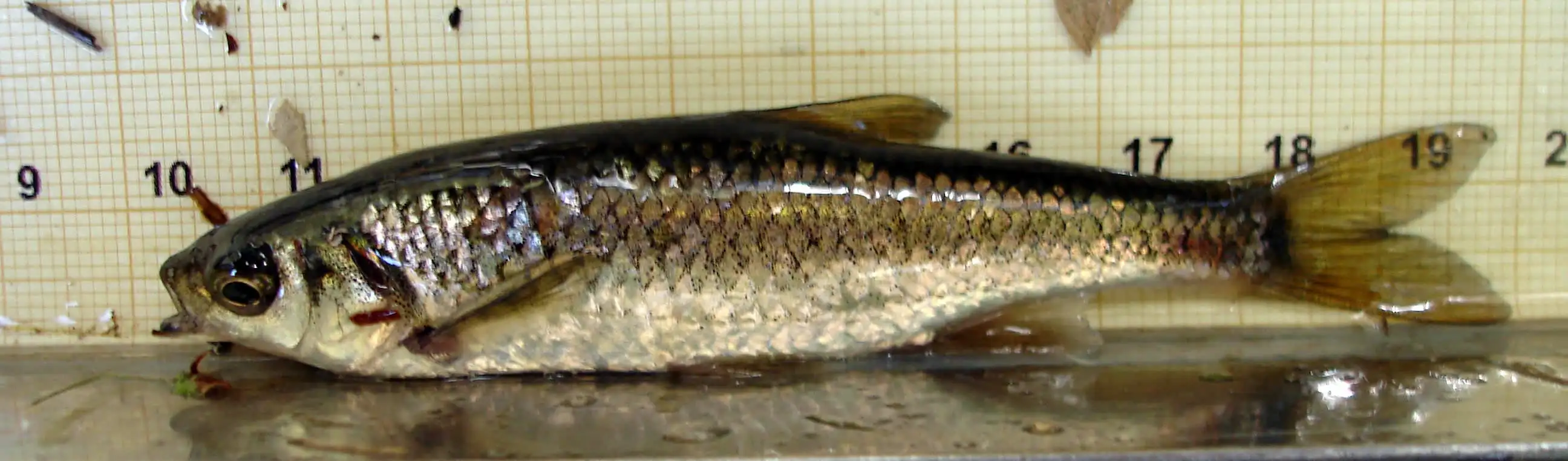
It is a small fish, no more than 15 centimetres, very like the bermejuela, from which it is told apart by its smaller scales. In older texts it appears as Rutilus lemmingii or Chondrostoma lemmingii.
Habitat and distribution of the Iberian Arched-mouth Nase
Endemic to the peninsula: the Tagus, Guadiana, Guadalquivir and Odiel basins, and part of the Duero. It lives in middle and lower stretches with abundant submerged vegetation and slow current.
Breeding of the Iberian Arched-mouth Nase
In the Duero population it breeds between April and May; there are few data on the others.
Diet of the Iberian Arched-mouth Nase
It eats algae and zooplankton.
The Iberian Arched-mouth Nase in Cabañeros
The guide cites it among the native fish of the Estena. The website adds that it is adapted to Mediterranean rivers with a strong summer low-water period and shares its habitat with the chub and the spined loach.
Can it be seen in Cabañeros?
It is small and hard to tell from the bank. Remember that swimming is not allowed in the rivers of the park.
It lives in the Estena, a River Nature Reserve, where for more than twenty years the park has been carrying out electrofishing to remove invasive fish such as the bleak, the pumpkinseed and the largemouth bass (newsletters of September–October 2023 and 2024, all the newsletters).
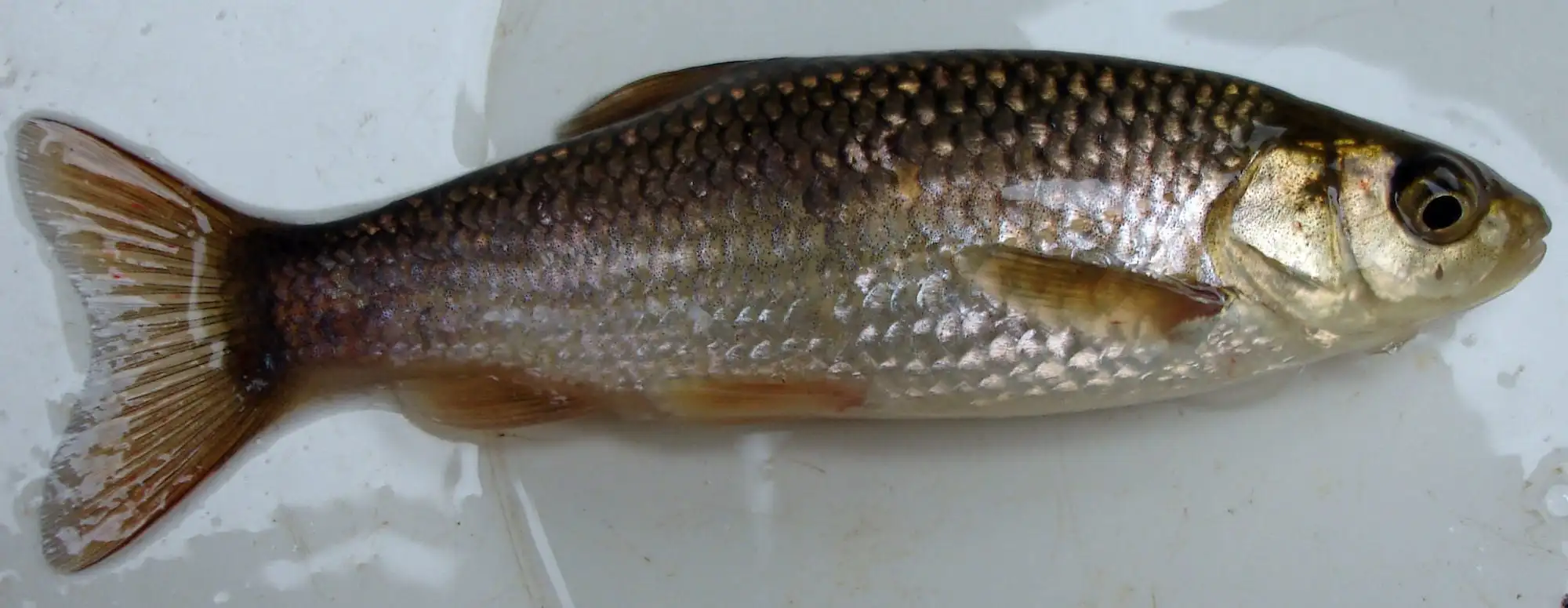
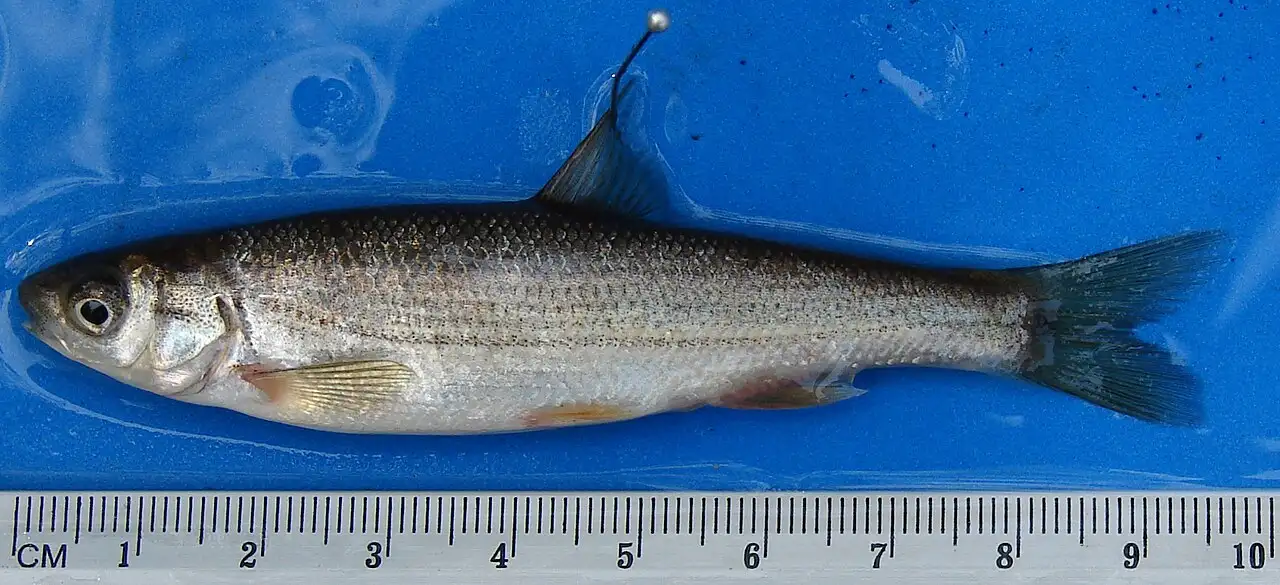
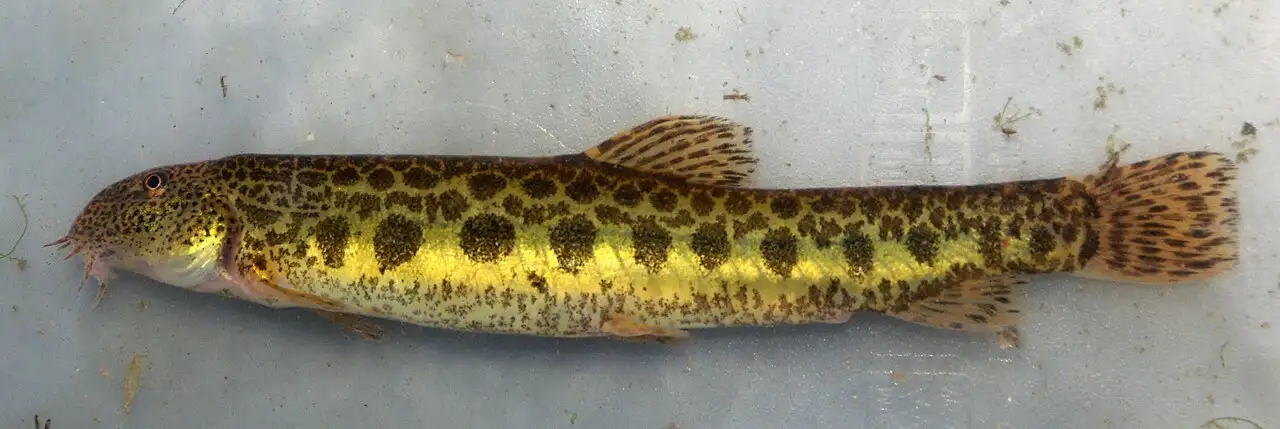
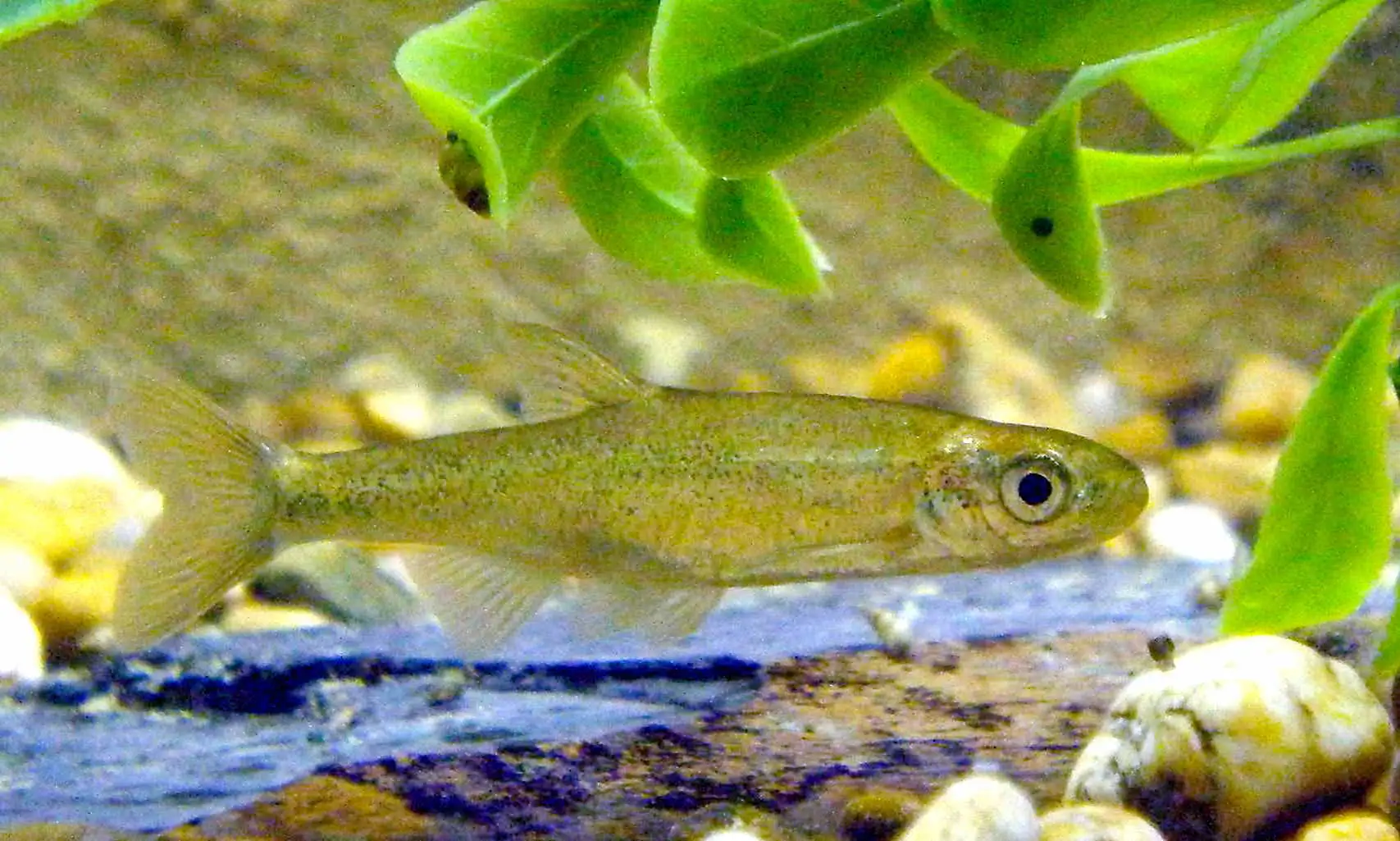
Other fish of Cabañeros


Bibliography
- Doadrio, I. (ed.) (2001). Atlas y Libro Rojo de los Peces Continentales de España, ficha de la pardilla. Ministerio de Medio Ambiente. PDF del MITECO
- OAPN (2011). Guía de visita del Parque Nacional de Cabañeros. PDF