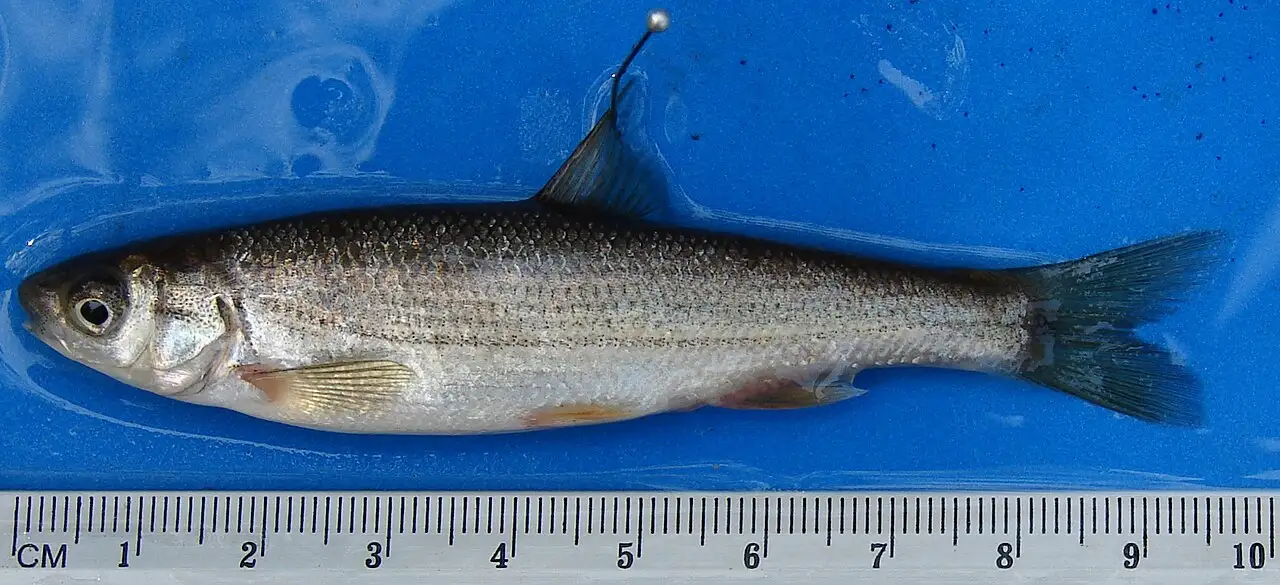
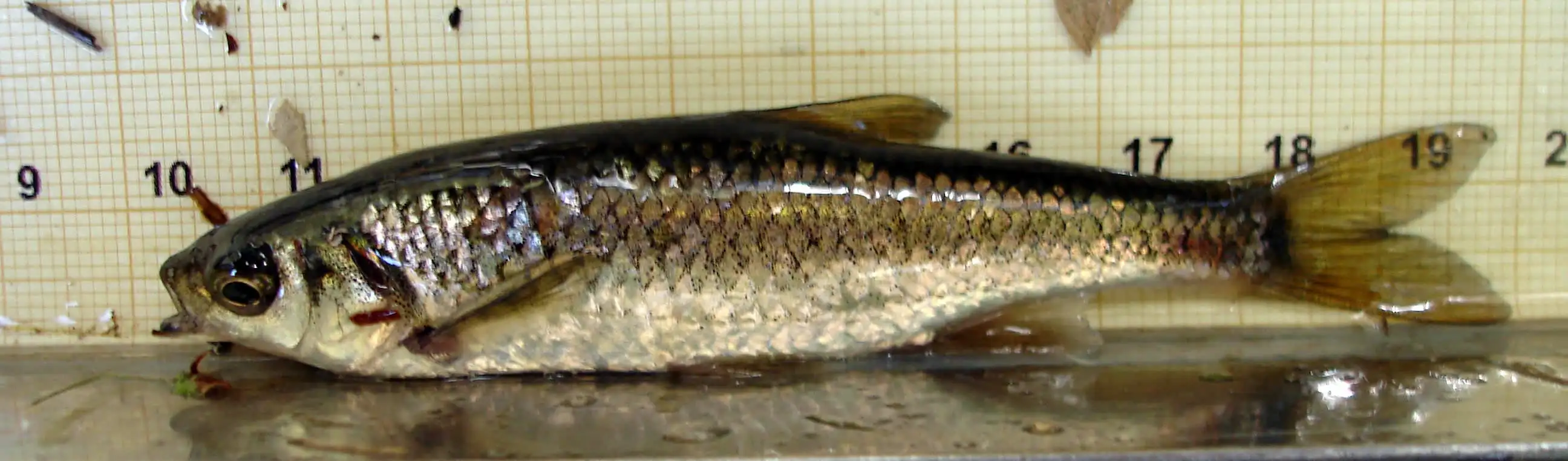
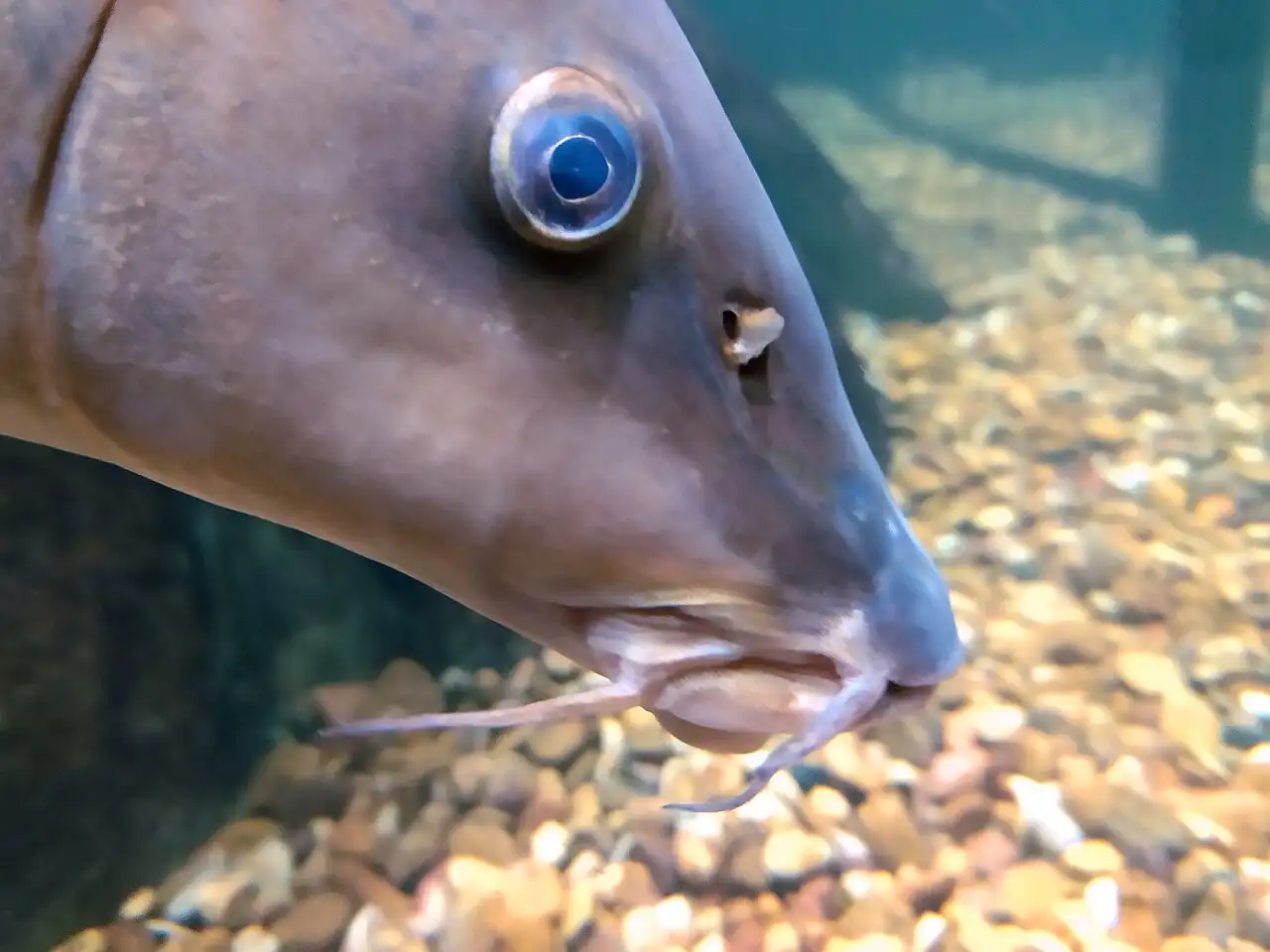
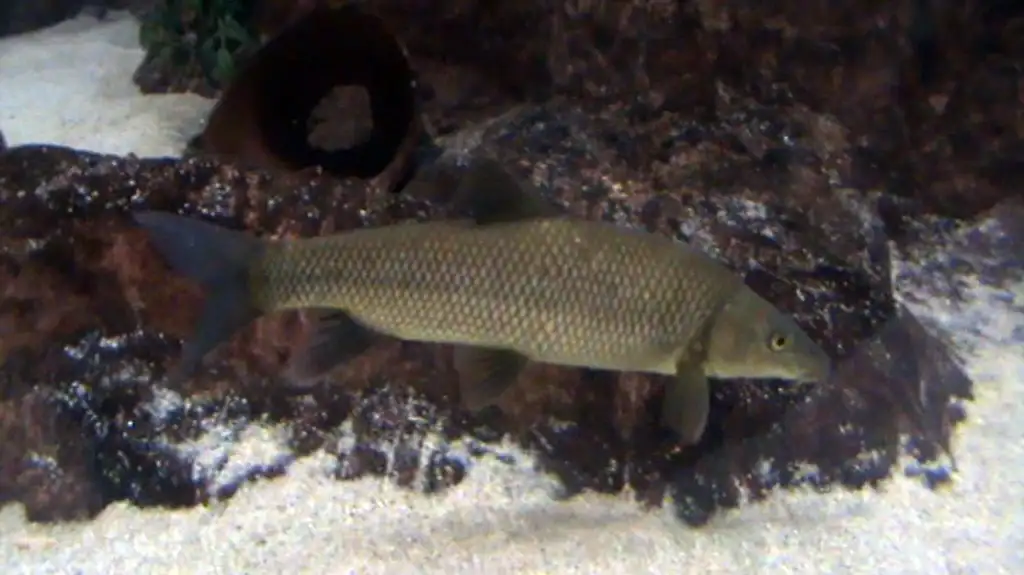
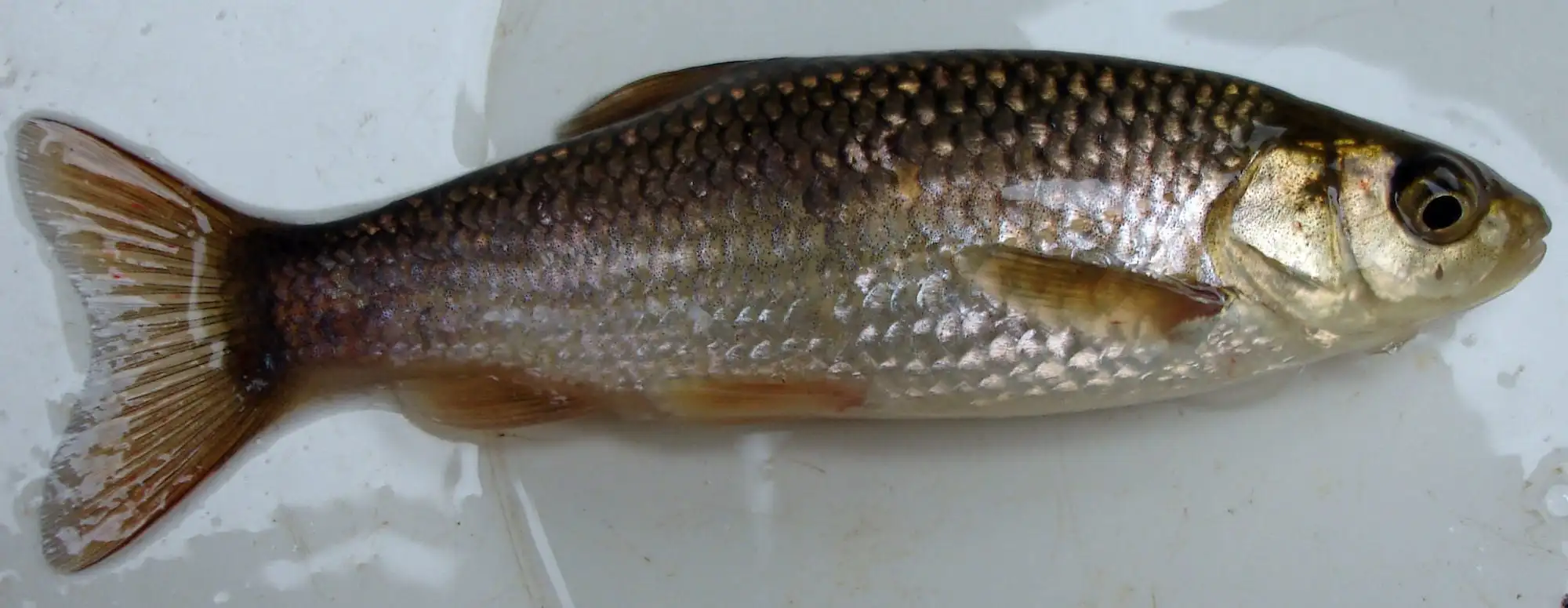
It is a medium-sized fish that does not usually reach 50 centimetres, with an elongated body and small scales. It used to be called Chondrostoma polylepis or Chondrostoma willkommii.
Habitat and distribution of the Southern Iberian Nase
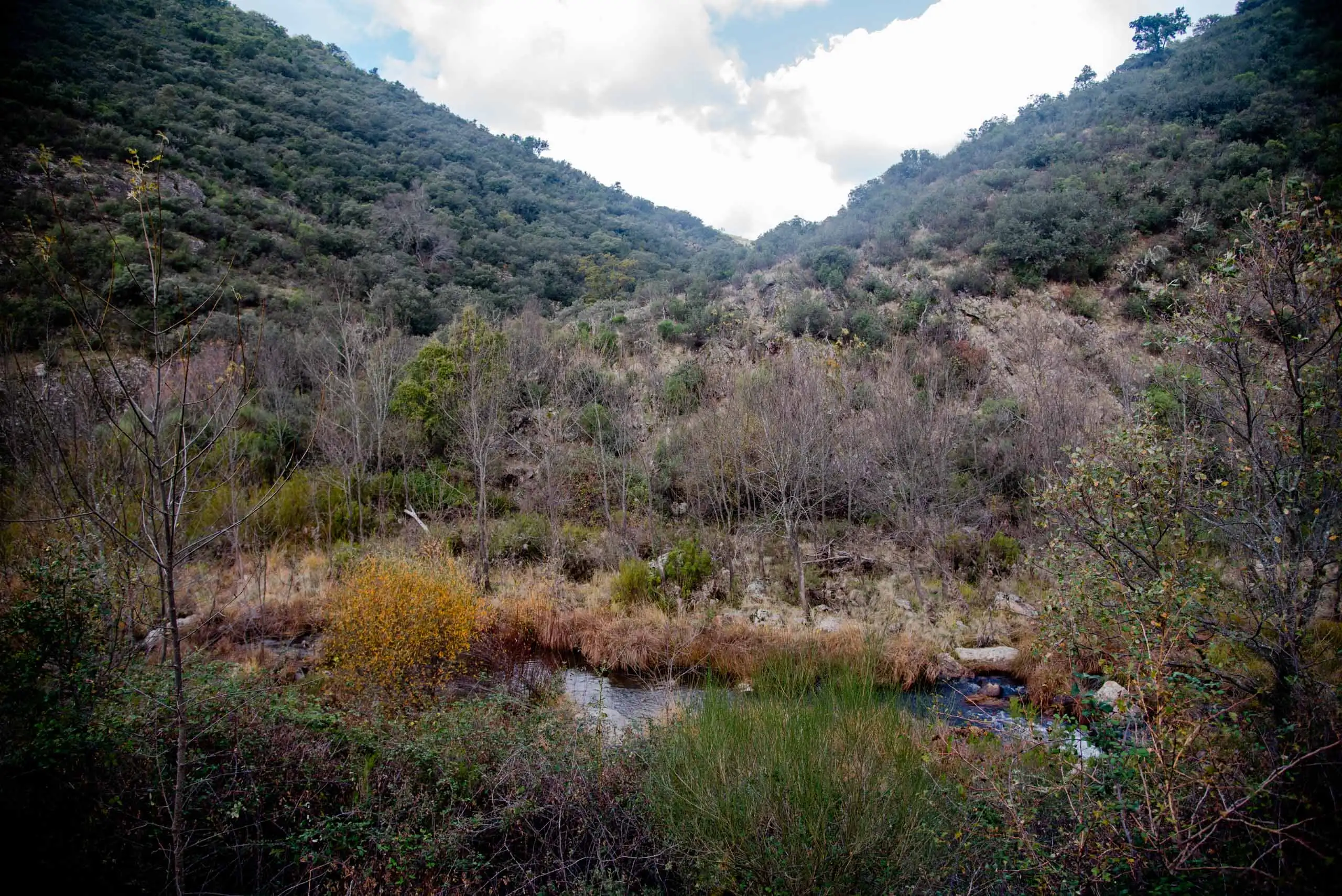
Endemic to the peninsula: the Guadiana, Odiel and Guadalquivir basins and rivers of the south. It prefers the middle stretches of rivers, with a current, although it is very common in reservoirs.
Breeding of the Southern Iberian Nase
It breeds in April and is the first cyprinid to do so, so it finds the spawning grounds free of many predators of eggs and fry. Before spawning it swims upriver in a group, and males become covered in small nuptial tubercles.
Diet of the Southern Iberian Nase
It eats vegetation, invertebrates and detritus. The website recalls that for a long time it was overfished on the false idea that it ate the eggs of other species.
The Southern Iberian Nase in Cabañeros
The guide cites it among the native fish of the Estena. Its threats, according to the Atlas, are exotic species, dams and channelling, pollution and the extraction of water and aggregates, which destroys the spawning grounds.
Can it be seen in Cabañeros?
In spring, with luck, groups can be seen swimming upriver. Remember that swimming is not allowed in the rivers of the park.
Doadrio, I. (ed.) (2001). Atlas y Libro Rojo de los Peces Continentales de España, ficha de la boga del Guadiana. Ministerio de Medio Ambiente. PDF del MITECO
OAPN (2011). Guía de visita del Parque Nacional de Cabañeros. PDF