Characteristics of the Southern Iberian Spined Loach
Order
Cypriniformes
Family
Cobitidae
Species
Cobitis paludica
Total length (maximum)
13 cm
Activity
Lives on the bottom
Diet
Mosquito larvae, small crustaceans, algae and detritus
Social life
Solitary
Lifespan
Up to 4 years for males and 7 for females
Conservation status
LC
NT
VU
EN
CR
EW
EX
Global (IUCN)
Vulnerable
Spain
Vulnerable (Red Data Book)
When to see it
Fish · in Cabañeros
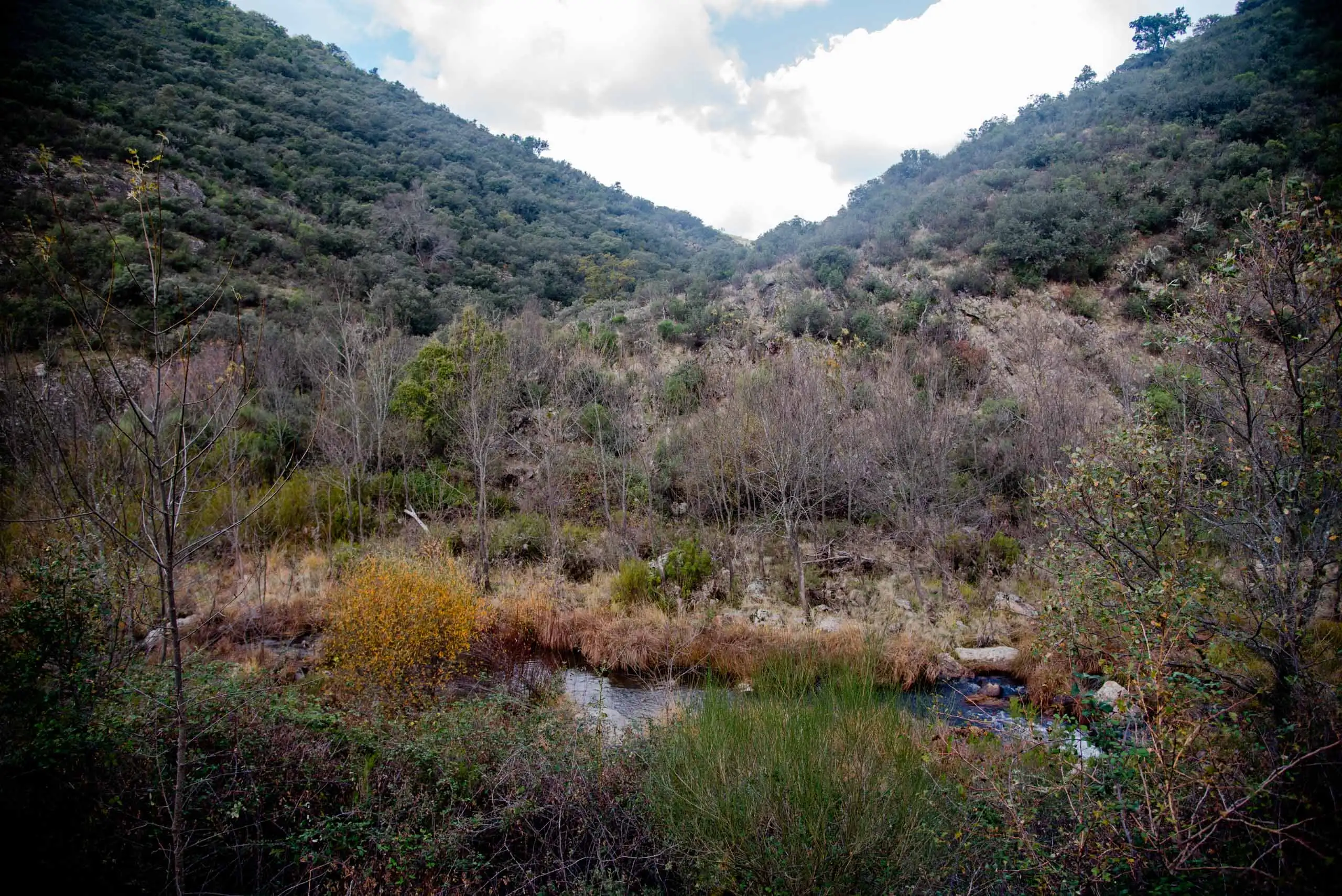
In the Estena river, according to the guide; it lives on the bottom.
Months of the yearly cycle
J
F
M
A
M
J
J
A
S
O
N
D
Laying
no
no
yes
yes
yes
yes
yes
no
no
no
no
no
Photos of the Southern Iberian Spined Loach
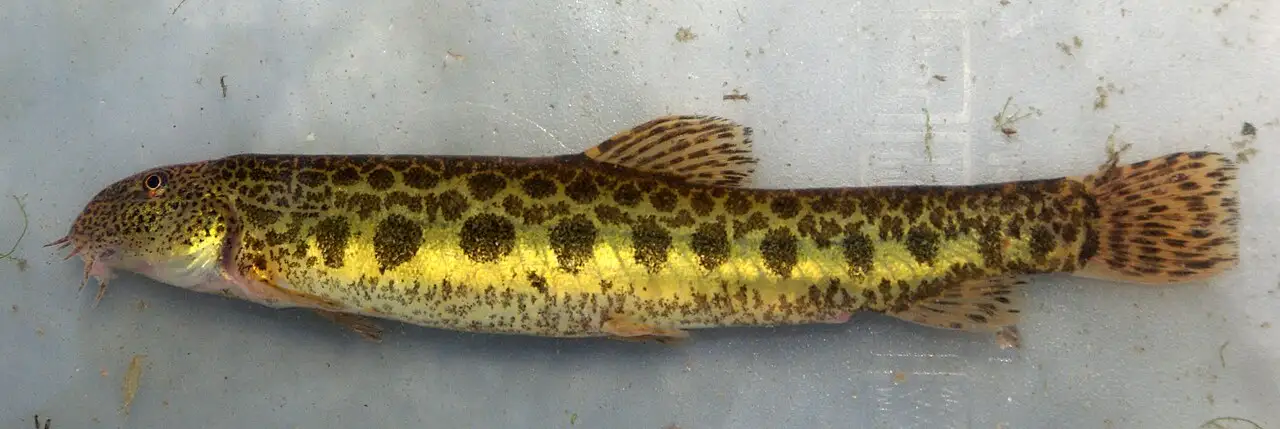
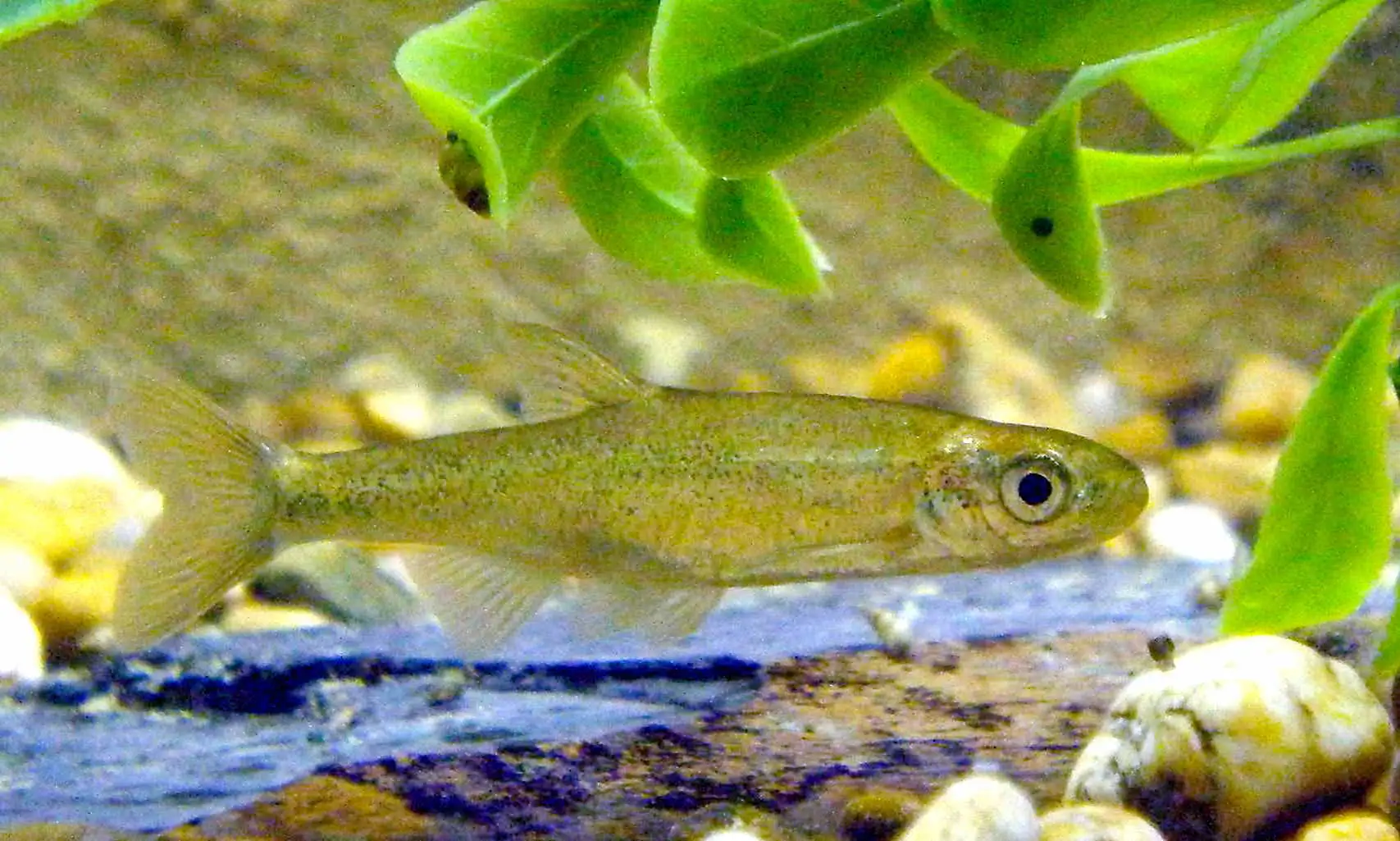
Elongated, yellowish Southern Iberian Spined Loach with rows of dark spotsPhoto: David Perez, CC BY 3.0Photo 1 of 2
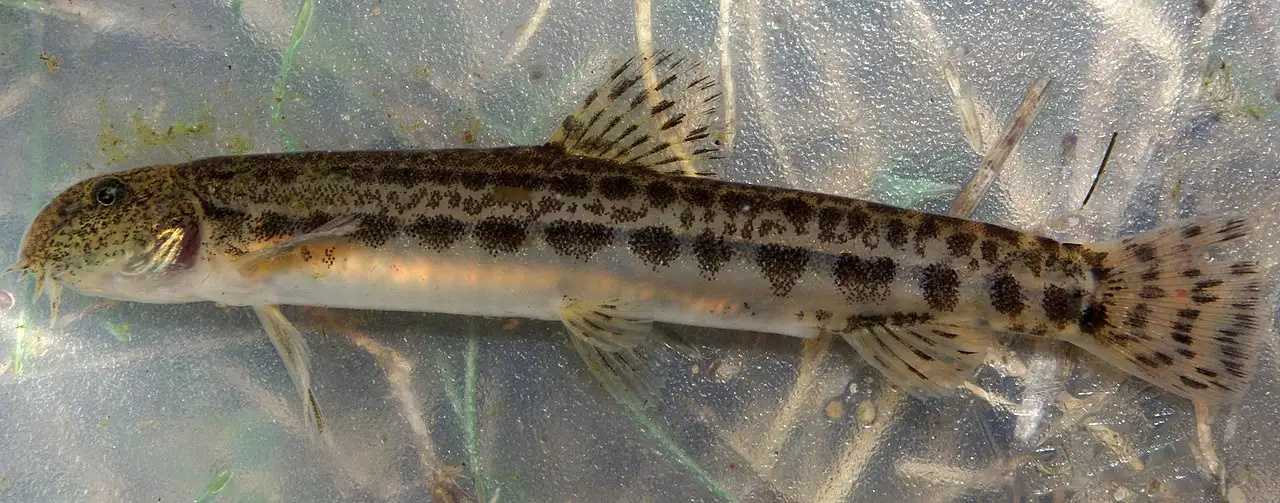
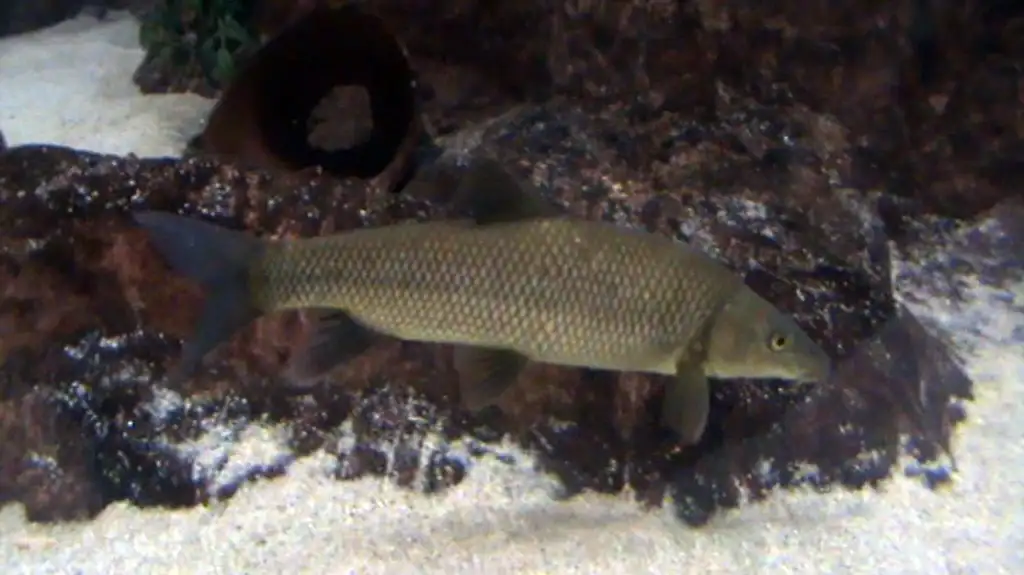
A Southern Iberian Spined Loach on the bottom, with the barbels at the mouthPhoto: David Perez, CC BY 3.0Photo 2 of 2
1 / 2
Identification of the Southern Iberian Spined Loach
It is a small, elongated fish, up to 13 centimetres, with three pairs of barbels and rows of black spots on the sides.
Habitat and distribution of the Southern Iberian Spined Loach
Sand and gravel bottoms of rivers and streams across a good part of the peninsula, from the Ebro to the Guadalquivir.
Breeding of the Southern Iberian Spined Loach
It matures in its second year. Females lay several times between March and July, with a total of almost two thousand eggs.
Diet of the Southern Iberian Spined Loach
It eats chironomid larvae, small crustaceans, diatoms, algae and detritus that it looks for on the bottom.
The Southern Iberian Spined Loach in Cabañeros
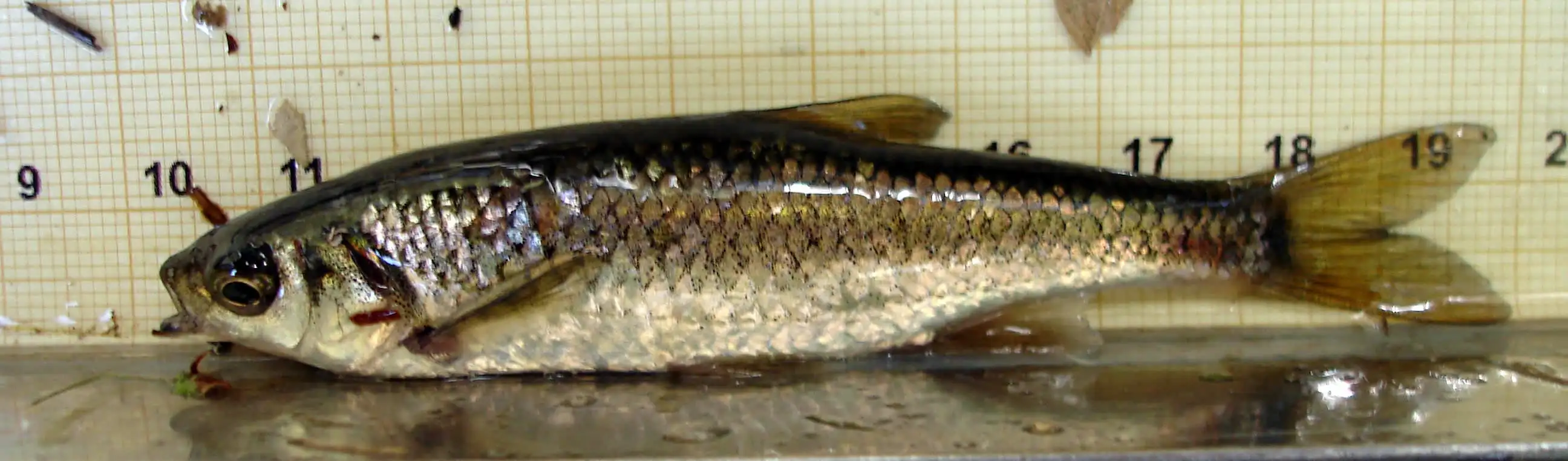
The guide cites it among the native fish of the Estena, and the website explains that it lives on the bottom and feeds on small invertebrates, while other species, such as the Spanish Minnowcarp, prefer the surface.
Can it be seen in Cabañeros?
It is almost impossible to see: it lives pressed to the bottom and is camouflaged. Remember that swimming is not allowed in the rivers of the park.
It lives in the Estena, a River Nature Reserve, where for more than twenty years the park has been carrying out electrofishing to remove invasive fish such as the bleak, the pumpkinseed and the largemouth bass (newsletters of September–October 2023 and 2024, all the newsletters).
Sánchez-Carmona, R. (2017). Colmilleja – Cobitis paludica. En: Enciclopedia Virtual de los Vertebrados Españoles. Museo Nacional de Ciencias Naturales (CSIC). vertebradosibericos.org
OAPN (2011). Guía de visita del Parque Nacional de Cabañeros. PDF