Monogamous, although there is sometimes polygamy; very gregarious outside the breeding season
Lifespan
Record of more than 7 years in the wild (a bird ringed in the United Kingdom)
Conservation status
LC
NT
VU
EN
CR
EW
EX
Global (IUCN)
Near Threatened
Spain
Vulnerable in the 2021 Red Book of the Birds of Spain; on neither the List of Wild Species under Special Protection nor the Spanish Catalogue of Threatened Species
When to see it
Resident
Months of the year when it is present
J
F
M
A
M
J
J
A
S
O
N
D
In Iberia
yes
yes
yes
yes
yes
yes
yes
yes
yes
yes
yes
yes
Breeding season
no
no
no
yes
yes
no
no
no
no
no
no
no
Song or voice of the Red-legged Partridge
The male’s song is characteristic: it begins with a series of short clucks, followed by three-syllable phrases at an ever faster, louder rhythm. It also has other short calls, given by males and females in different social situations. The recording (song) is by Alain Verneau and was made in La Carballeda (near Manzanal de Arriba), Zamora, Castilla y León (xeno-canto XC938589, quality A). It lasts 9 seconds and is a trimmed section of the original, without repeating or lengthening, from which we have removed the bass below 300 Hz, reduced the background noise and adjusted the volume; neither pitch nor speed has been changed.
It goes mainly on foot, and is a good walker. When it flies, it does so quickly and directly, alternating strong wingbeats with glides, in which the orange edges of the tail stand out.
Flight typeFast and direct, in bursts and low
It takes off all at once, with a strong beating of wings, when it feels in danger; normally it goes on foot.
It alternates strong, quick wingbeats with glides in which the orange edges of the tail can be seen, always at low height.
It glides with wings open, lands and runs to hide among the vegetation.
Photo gallery of the Red-legged Partridge
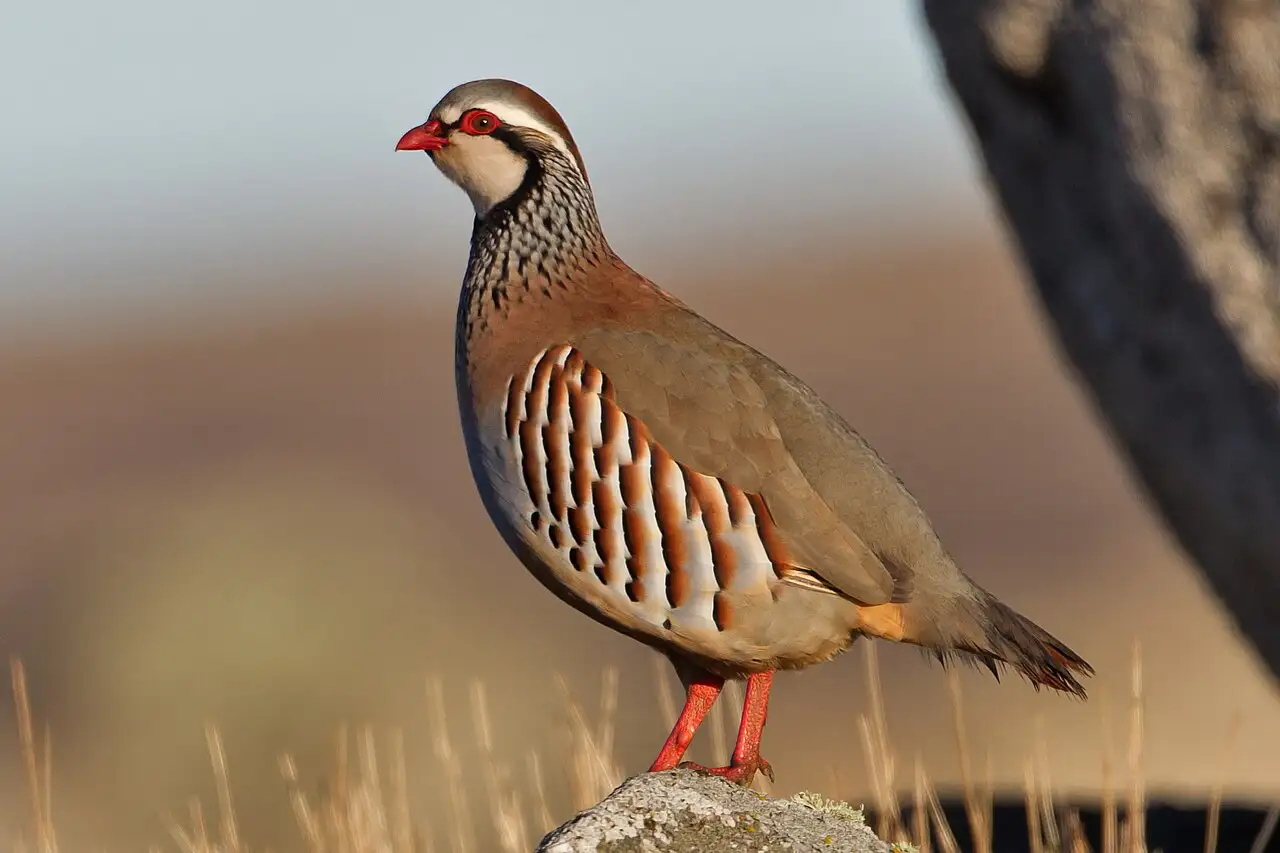
Red-legged Partridge perched on a stone, in profile: white throat, spotted breast, barred flanks and red bill and legsPhoto: Juan Lacruz, CC BY-SA 3.0Photo 1 of 4
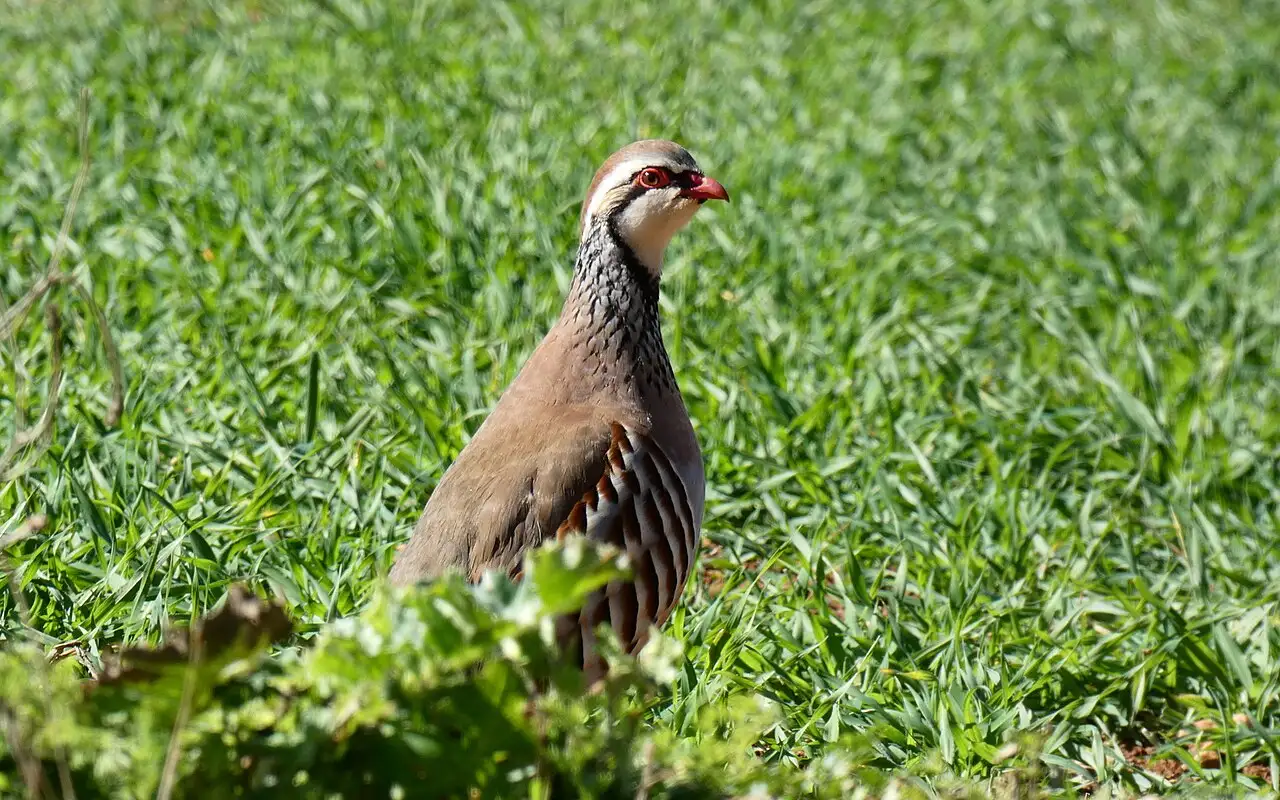
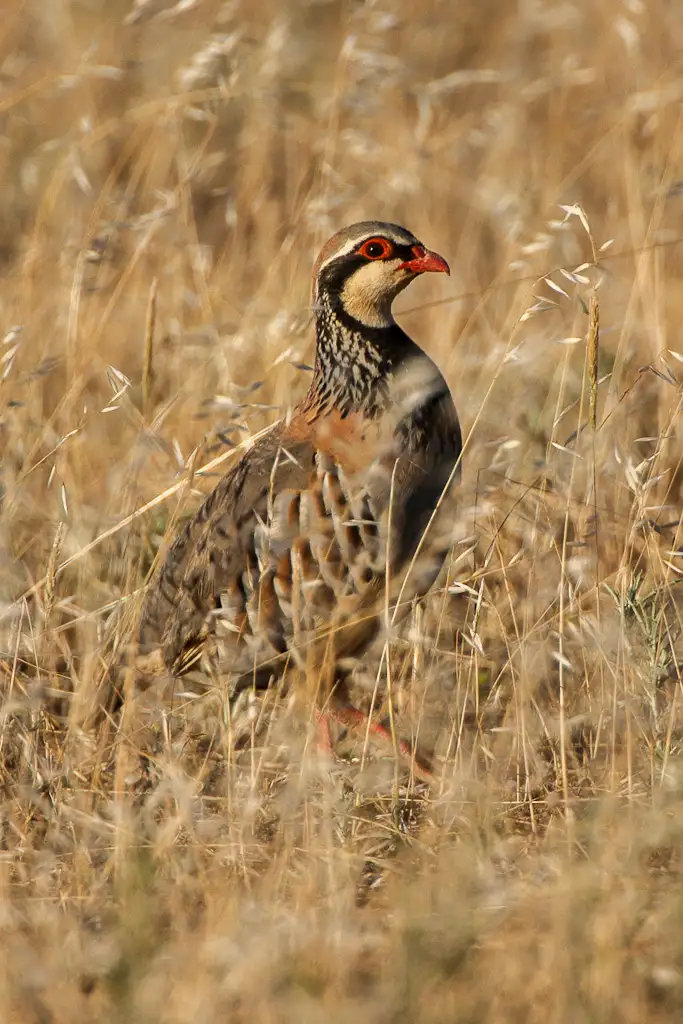
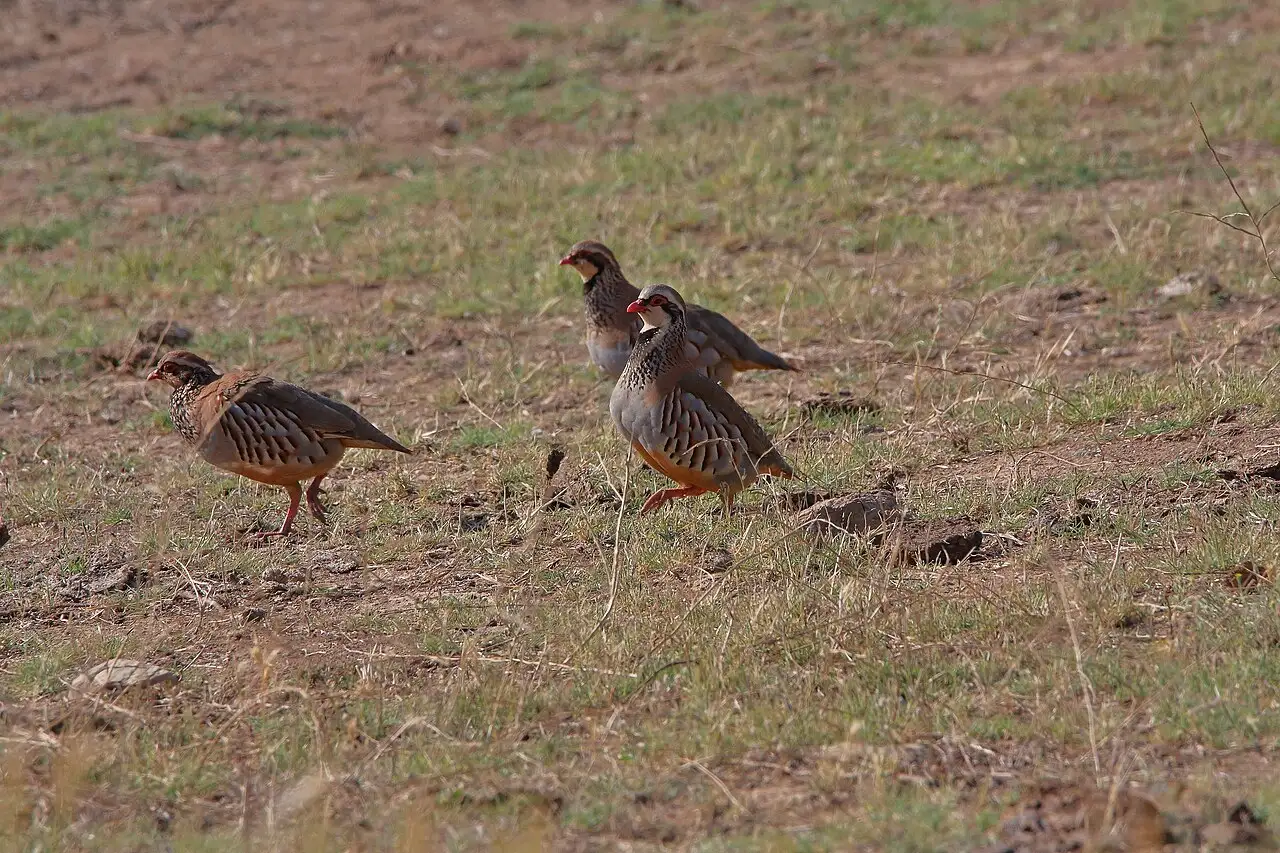
It is a stocky, medium-sized bird. The two sexes are alike. It has an orange belly and striking flanks, with white, black, brown and grey bars, bare, strong legs, a white throat and a breast spotted with black. The back is greyish brown, and the legs, bill and eye-ring, red.
Adult
Belly orange and flanks barred.
White throat and breast spotted with black.
Back greyish brown; bill, legs and eye-ring red.
Chick and young bird
Brown tones and cryptic patterns.
Habitat and distribution of the Red-legged Partridge
It is a Mediterranean species restricted to south-west Europe: the Iberian Peninsula, France, north-west Italy and some Mediterranean islands. It has been introduced for hunting purposes to the United Kingdom, some Atlantic islands, areas of North America, New Zealand and central Europe, with variable success. Three subspecies are recognised: «rufa», «intercedens» and «hispanica».
In Spain it is well spread across the whole Peninsula and the Balearics, and is scarce or absent in the high mountains above 1,500 to 1,800 metres. It is especially abundant in the centre and south of the Peninsula, and scarcer on the Mediterranean coast, the Cantabrian fringe and the Galician coasts. It occupies a wide variety of habitats, above all open environments or those with scattered trees, such as grasslands, crops, thinned scrub and dehesas, with a preference for the more diversified farmland of extensive dry-farming, from sea level to 2,000 metres. It is sedentary; winter concentrations are much higher in Castilla-La Mancha and the Guadalquivir valley, the regions where it is most released for hunting.
Areas where it is regularly recorded since 2010Squares of about 25 km where it is recorded regularly (occasional passage records are left out). Data from GBIF.org (208,039 records, retrieved October 2026); outline from Natural Earth.
Etymology of the Red-legged Partridge
«Alectoris» comes from Greek «alektoris», «hen», and «rufa» is «reddish» in Latin. «Perdiz» (partridge) comes from Latin «perdix».
Population of the Red-legged Partridge
The 2021 European Red List of Birds estimates between 9.95 and 13.7 million Red-legged Partridges in Europe, and in Spain some 2.49 to 2.71 million breeding individuals are calculated. The SACRE programme puts a decline of 40 % since 1998. It is classified worldwide as Near Threatened (BirdLife International) and as Vulnerable in the 2021 Red Book of the Birds of Spain. Continuous, massive restocking for hunting purposes could mask the trend. The main threats are the destruction or alteration of habitat, through agricultural intensification or abandonment, pesticides on seeds, inadequate game management and climate change.
Nest of the Red-legged Partridge
It is a small hollow in the ground, lined with grasses and feathers, and always tucked among the vegetation.
Courtship and breeding of the Red-legged Partridge
It is monogamous, although there is sometimes polygamy. Pairs form between February and March. Laying takes place in April and early May, and the female lays 7 to 20 eggs, normally 10 to 16, cream-coloured, blotched or speckled with reddish brown, which are incubated for 23 to 24 days. It usually makes a single clutch, and sometimes two, and the second is incubated by the male. The chicks leave the nest as soon as they hatch, fly for the first time at 10 days and reach full development at 50 or 60 days.
Diet of the Red-legged Partridge
Its diet consists mainly of seeds of herbaceous plants, leaves and roots, and to a lesser extent arthropods. The chicks, in the first weeks, are fed on insects.
Curious facts about the Red-legged Partridge
The chicks leave the nest as soon as they hatch and at ten days already make their first flights. And the releases for hunting, which are made in late summer or autumn, are most intense in Castilla-La Mancha and the Guadalquivir valley, and that is why that is where most partridges are counted in winter.
The Red-legged Partridge in Cabañeros
The habitat pages of this website cite it among the most characteristic species of the small clearings in the scrub, always near tracks and firebreaks.
Where to see the Red-legged Partridge in Cabañeros
In the clearings of the scrub and the dehesas, near tracks and firebreaks.
When
All year.
What time
At dawn and dusk, when it comes out to feed in open areas.
Where
In the clearings of the scrub, beside tracks and firebreaks, and in open dehesas.
What to look for
A stocky bird with barred flanks that runs along the ground and takes off suddenly and at ground level.
Videos of the Red-legged Partridge
Similar species
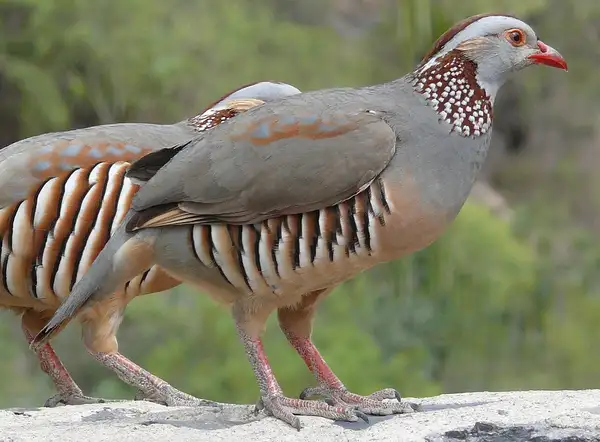
Barbary Partridge
Alectoris barbara
How to tell them apart
It has a chestnut collar with white spots and a grey throat. It lives in North Africa.
Photo: Frits van der Meer from Utrecht, Nederland, CC BY 2.0
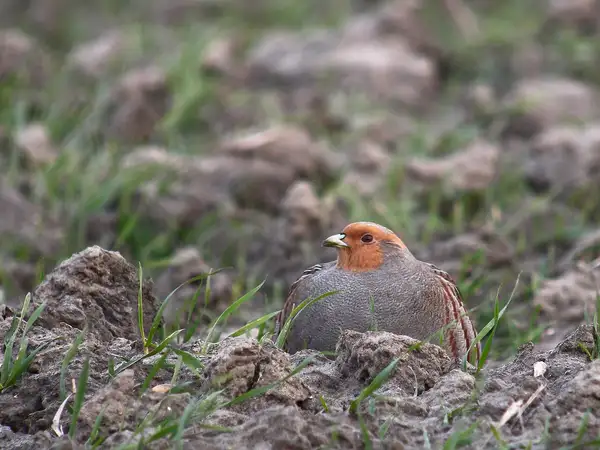
Grey Partridge
Perdix perdix
How to tell them apart
Smaller and grey, with a horseshoe-shaped chestnut patch on the belly and an orange face. It lives in the mountains of northern Spain.
Photo: Frank Vassen from Brussels, Belgium, CC BY 2.0
Other birds
Birds related to the Red-legged Partridge or sharing its habitats in Cabañeros.



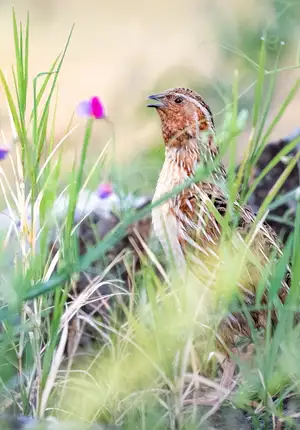 Same family
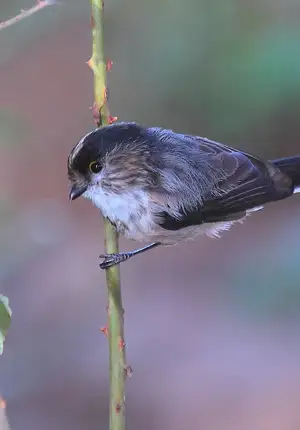 Also in scrubland
 Also in scrubland
 Also in scrubland
 Also in scrubland
 Also in scrubland
 Also in scrubland
 Also in scrubland






