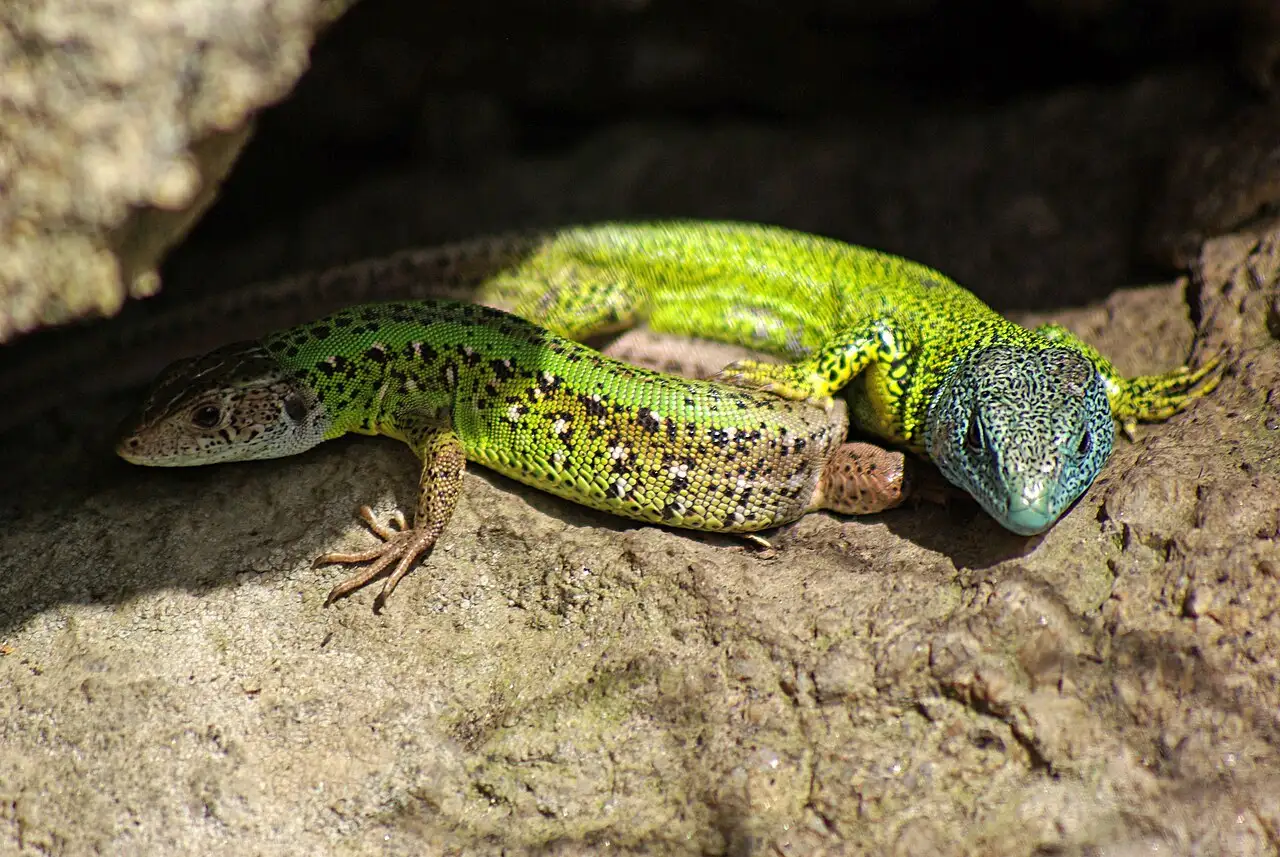
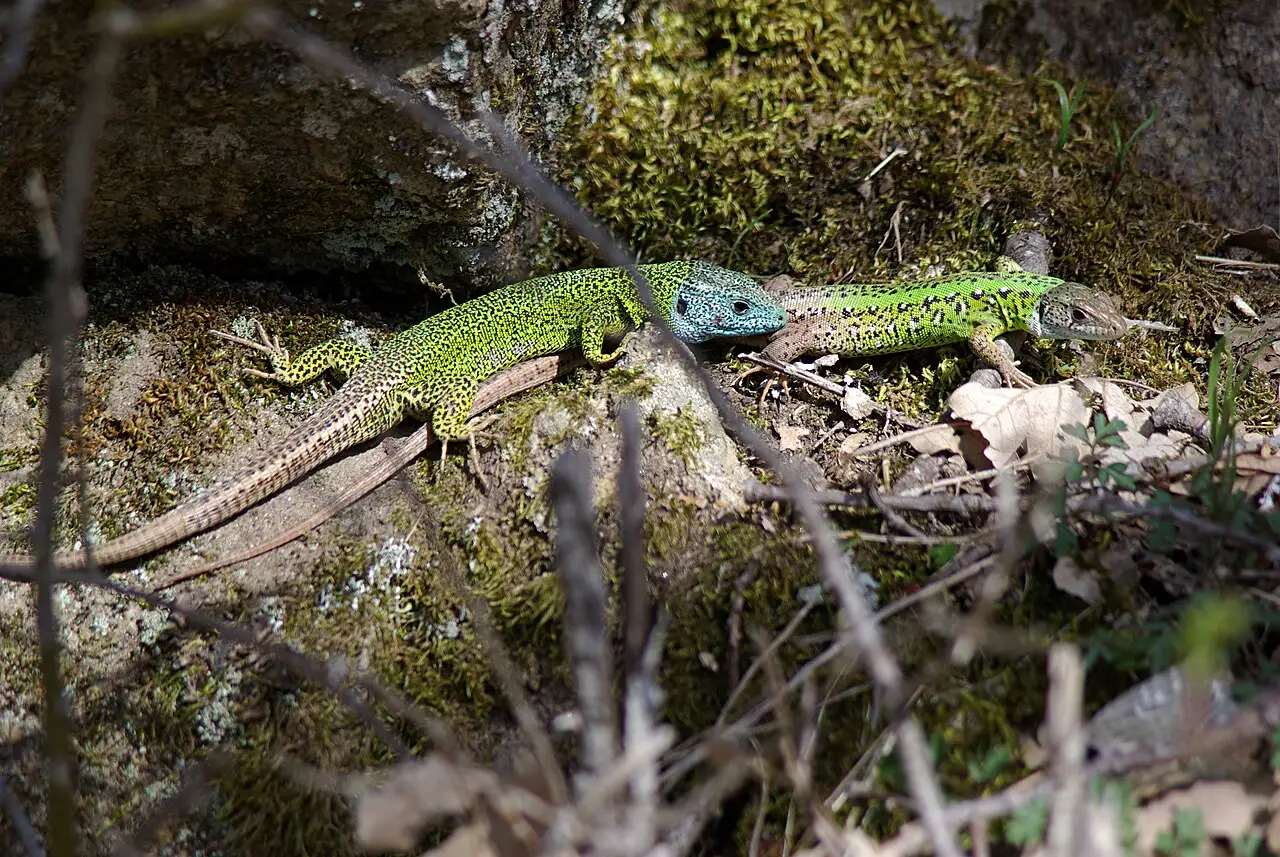
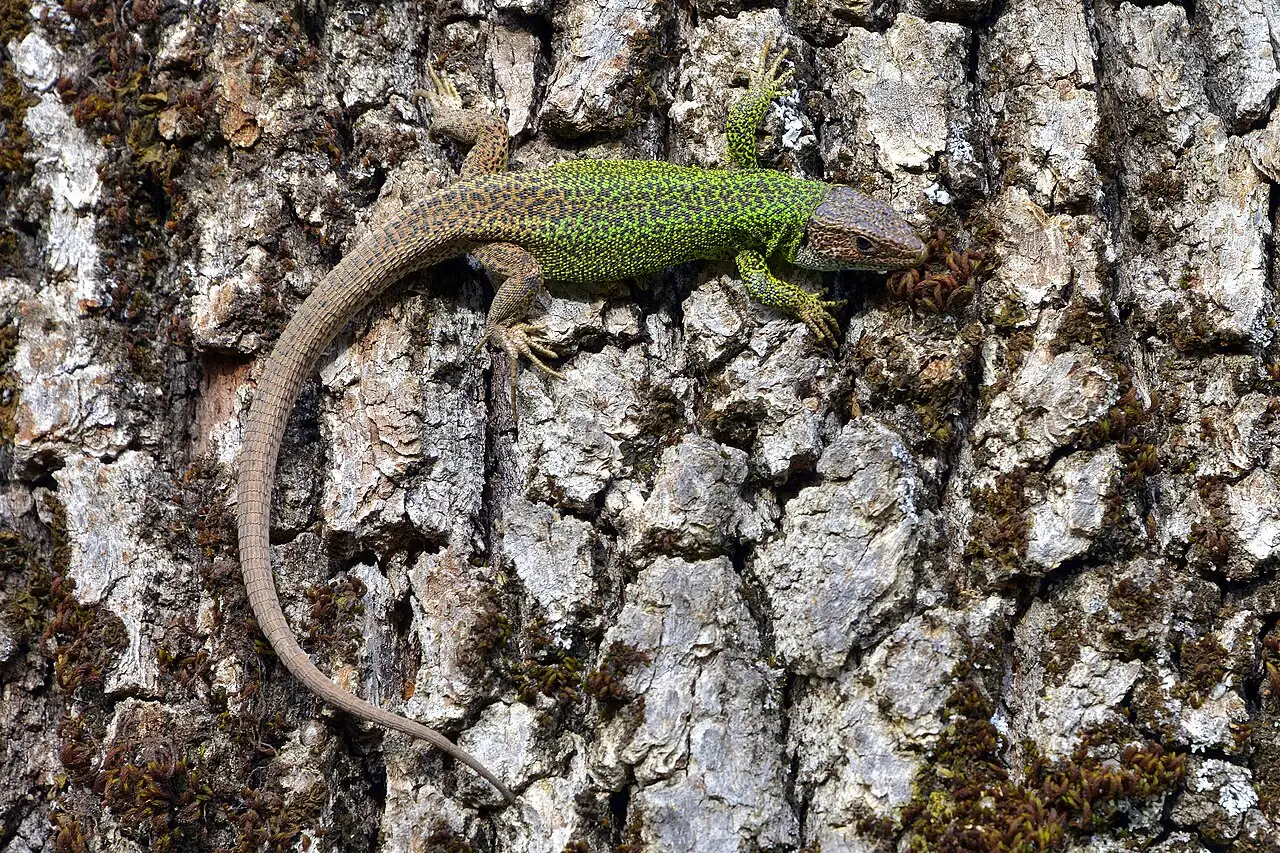
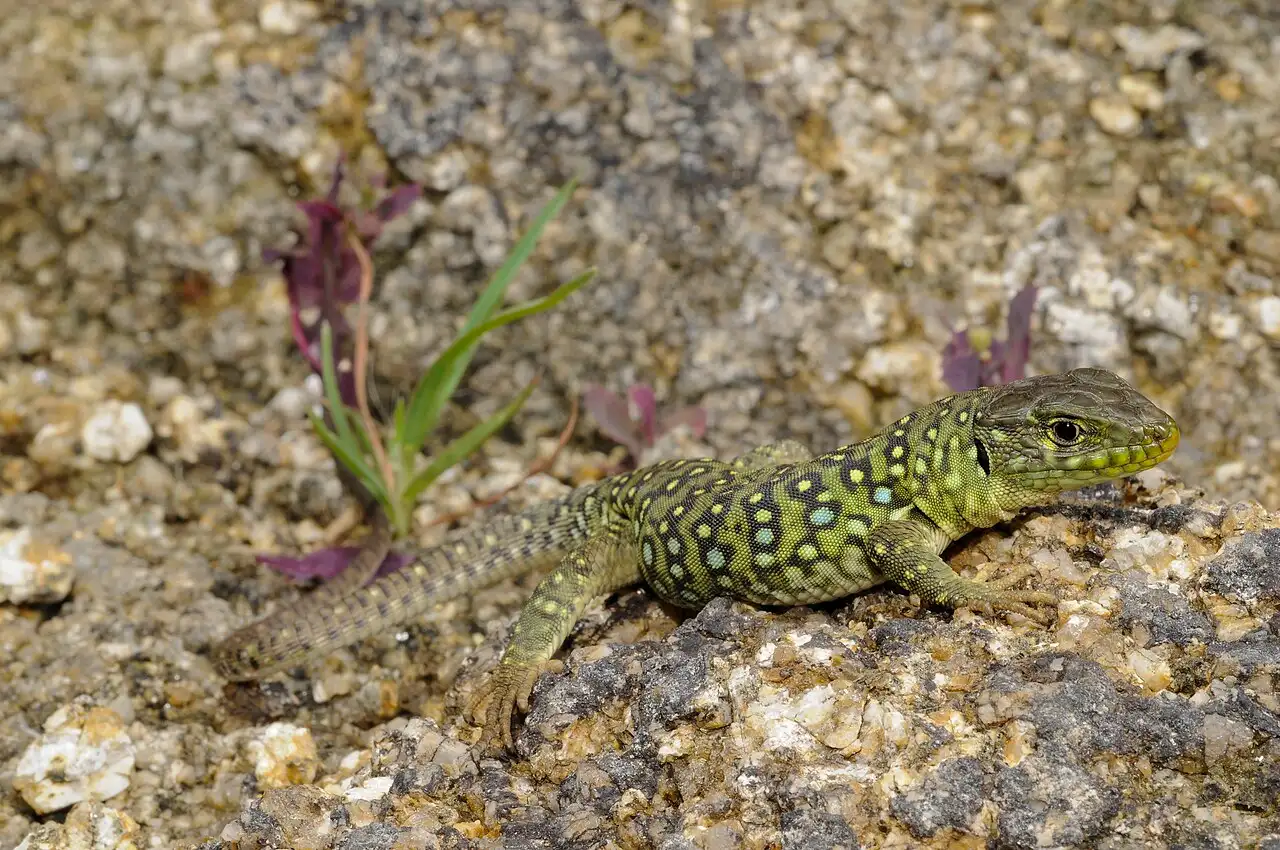
It is a robust lizard of medium size, with a maximum head-and-body length of 13.1 centimetres and a tail one and a half to two times that length. In the rut, the head of males turns an intense blue.
Habitat and distribution of Schreiber’s Green Lizard
Banks and streams with dense vegetation and moisture. It is an Iberian endemic that, according to the website, lives in the north and west of the peninsula, from Galicia to the Central System, and reaches the Montes de Toledo.
Areas where it is regularly recorded since 2010Squares of about 25 km where it is recorded regularly (occasional records are left out). Data from GBIF.org (3,064 records, retrieved October 2026); outline from Natural Earth.
Breeding of Schreiber’s Green Lizard
Mating is between April and June and females lay once a year, 4 to 24 eggs. Incubation lasts a little over two months and the young hatch between the end of July and September.
Diet of Schreiber’s Green Lizard
It eats a great variety of invertebrates that it looks for in the vegetation and the leaf litter.
Schreiber’s Green Lizard in Cabañeros
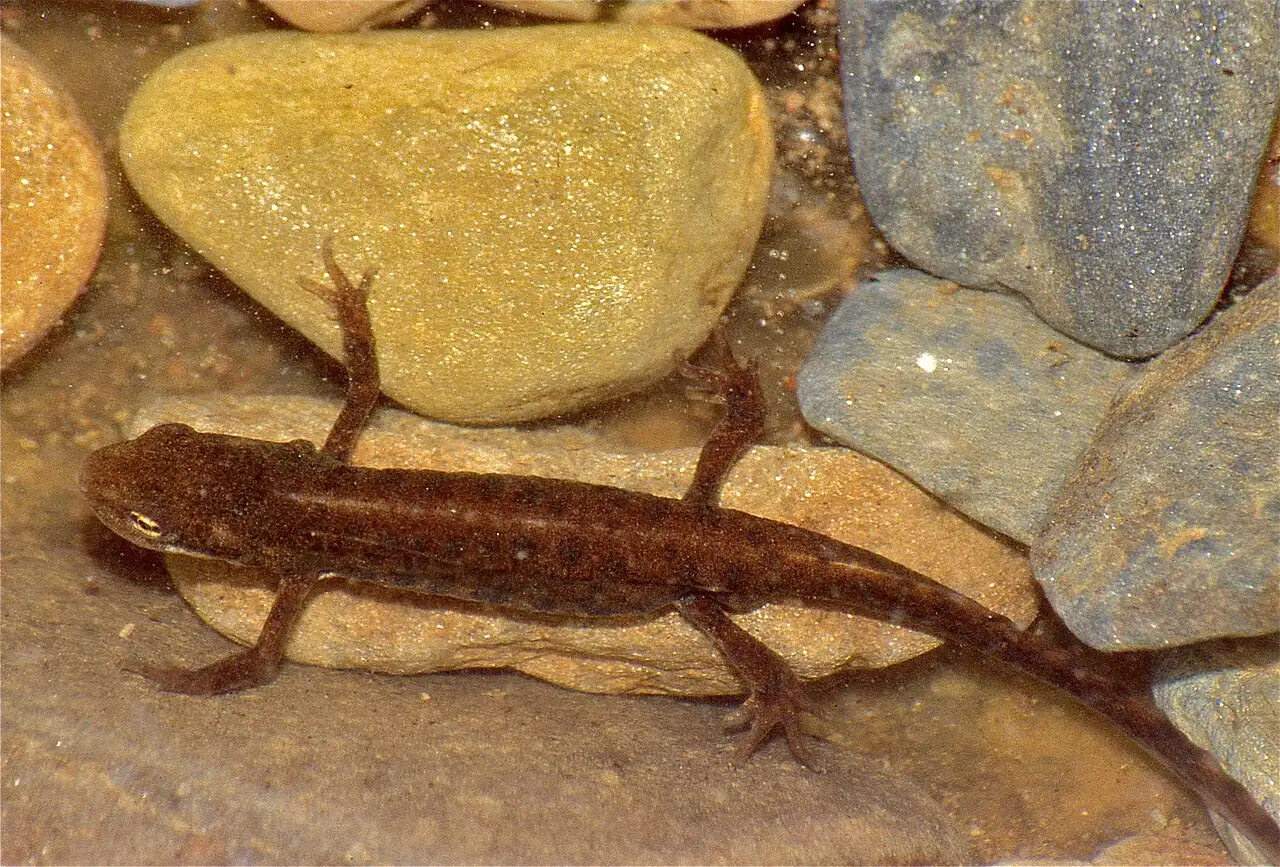
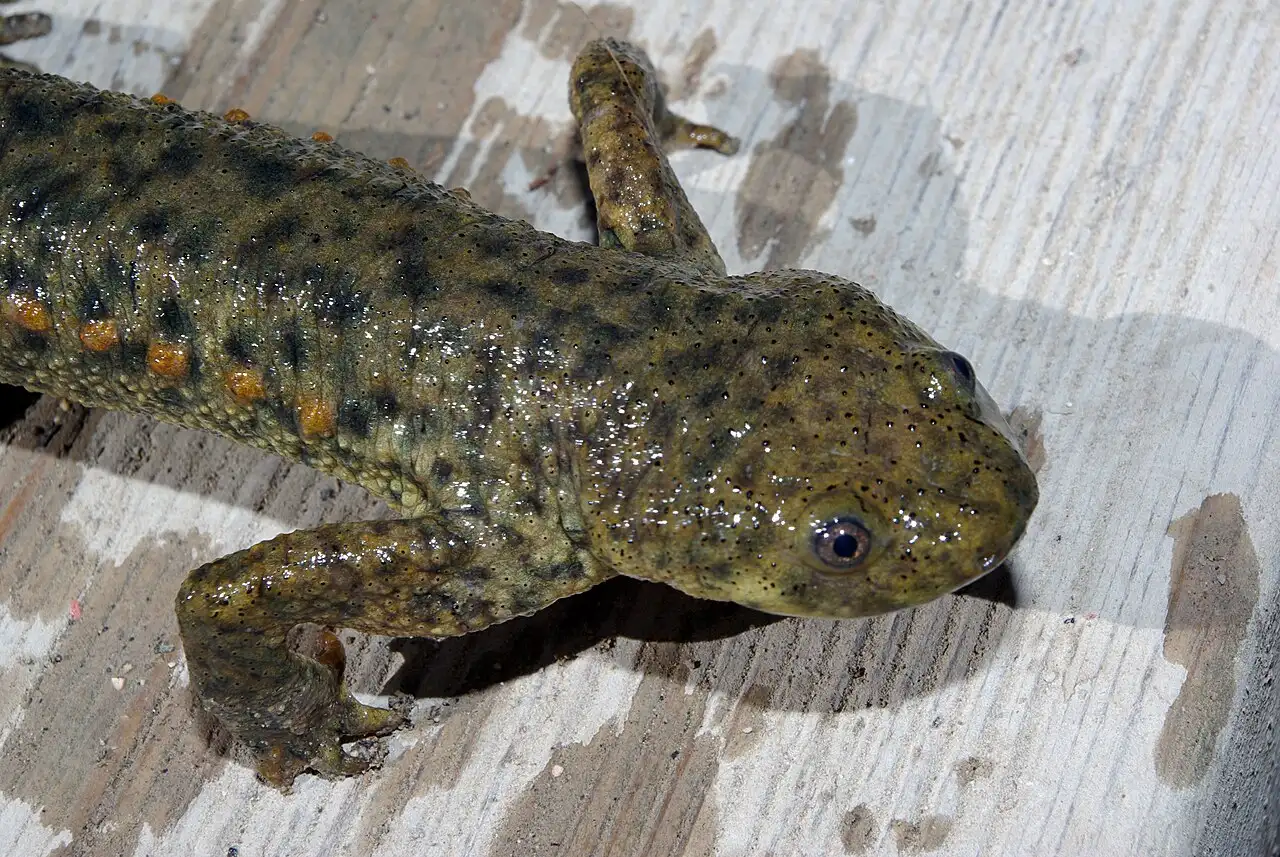
The park guide calls it scarce and places it mainly in the northern sector, at the heads of the streams that rise on the Rocigalgo massif. According to the website, it is beside those streams that it is easiest to find it, together with Bosca’s Newt.
Can it be seen in Cabañeros?
It is scarce and elusive. On the El Chorro and Rocigalgo routes, on the sunny banks of the stream, with patience and without leaving the path.
Marco, A. (2017). Lagarto verdinegro – Lacerta schreiberi. En: Salvador, A. y Marco, A. (eds.), Enciclopedia Virtual de los Vertebrados Españoles. Museo Nacional de Ciencias Naturales (CSIC). vertebradosibericos.org
OAPN (2011). Guía de visita del Parque Nacional de Cabañeros. PDF
Real Decreto 139/2011, Listado de Especies Silvestres en Régimen de Protección Especial y Catálogo Español de Especies Amenazadas. BOE