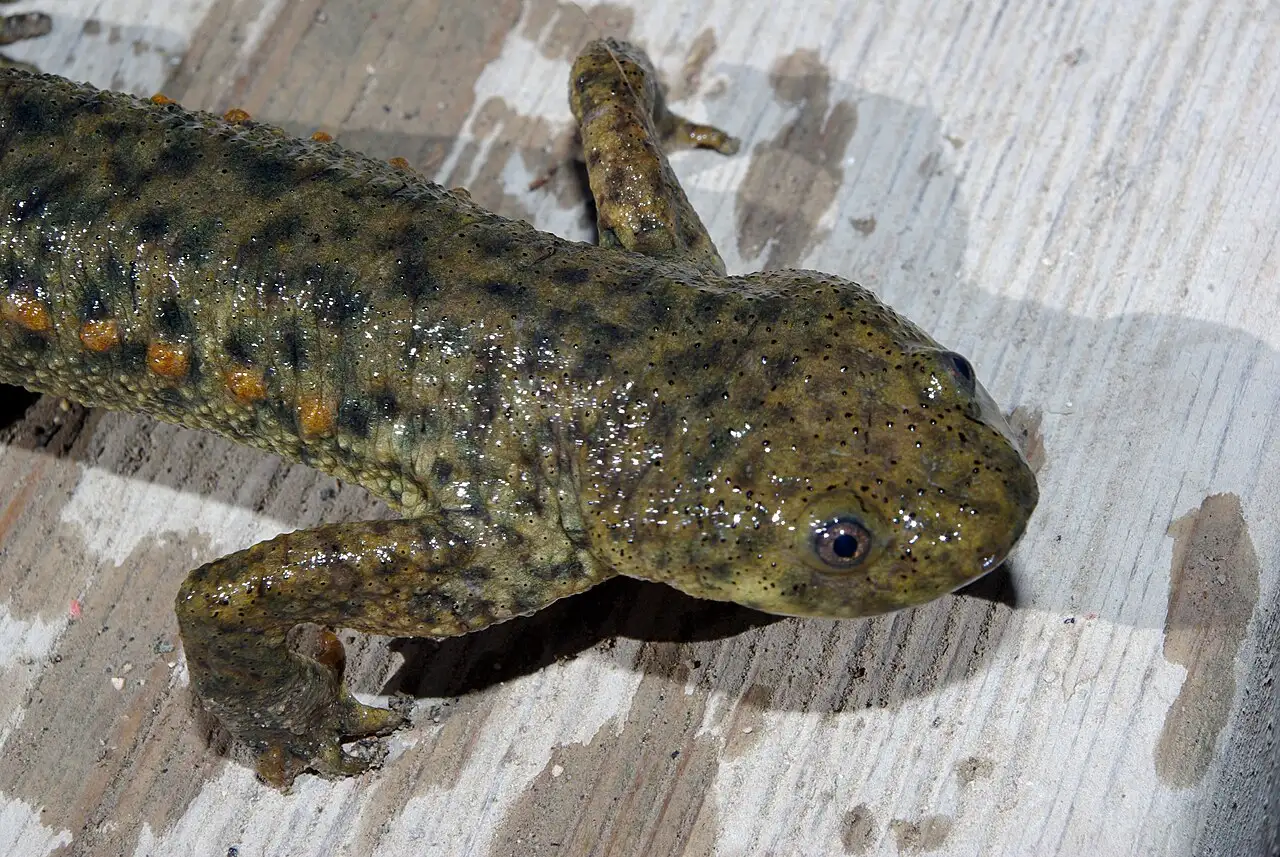
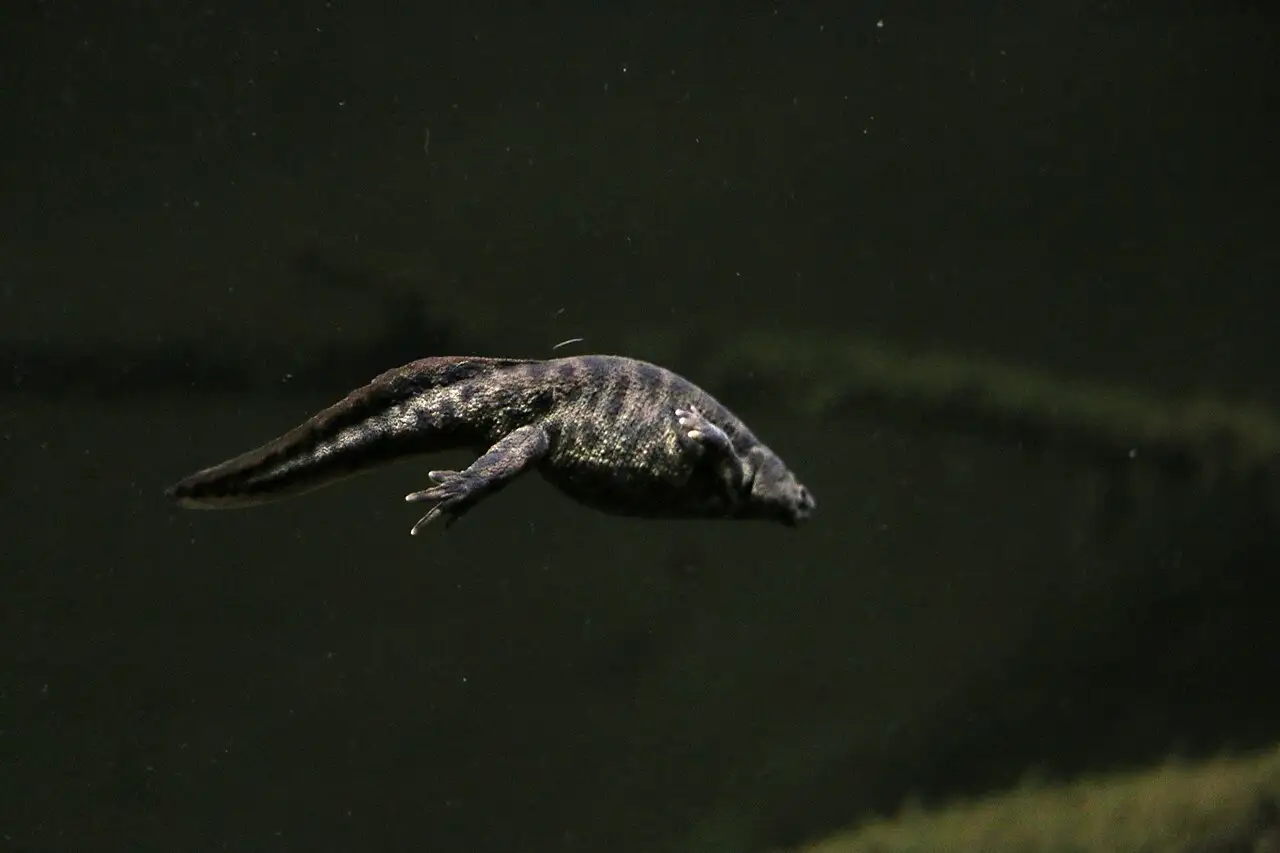
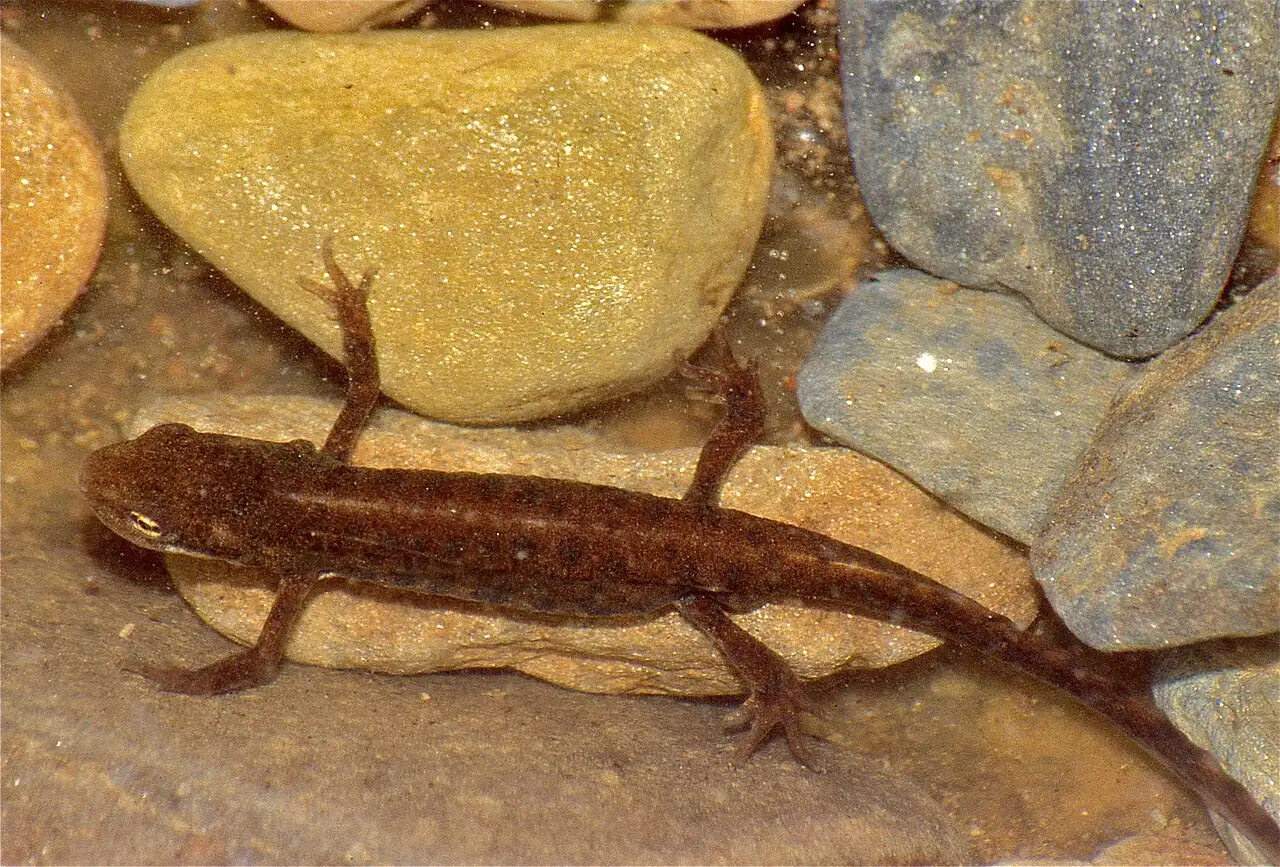
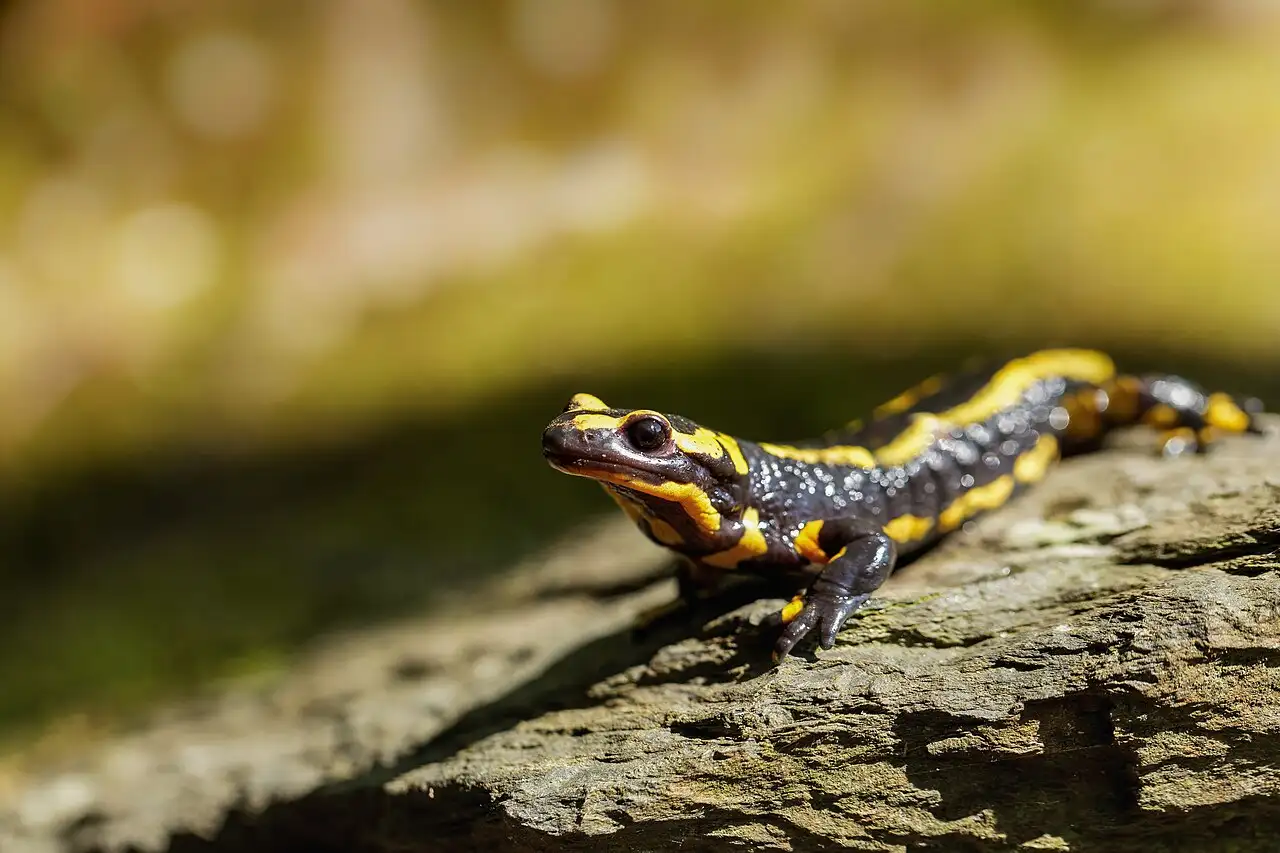
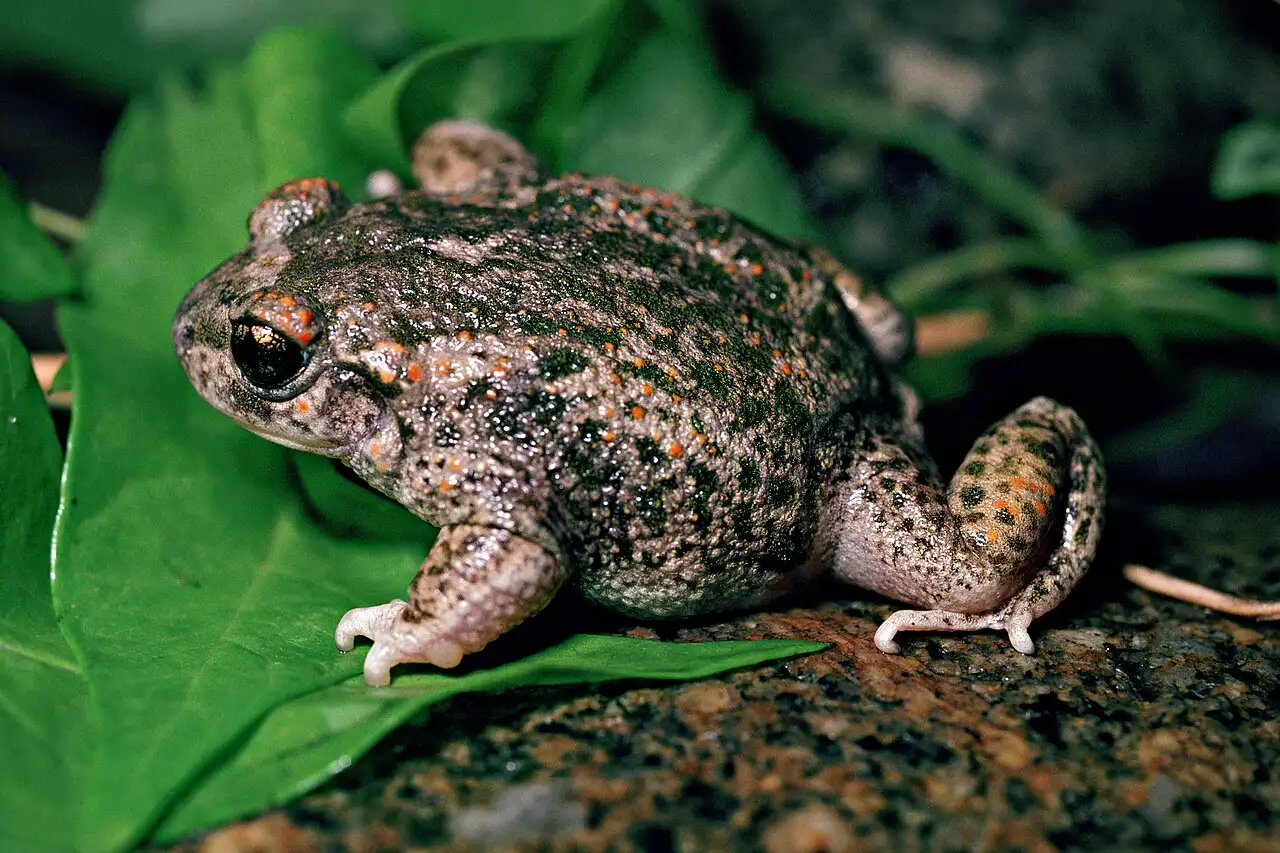
It is a large urodele, which can reach 31.2 centimetres, with a compressed tail. When it feels threatened, the tips of its ribs press on the skin of its sides, where it has orange warts.
Habitat and distribution of the Sharp-ribbed Newt
Ponds, lagoons and quiet vegetated streams, including seasonal ones.
Areas where it is regularly recorded since 2010Squares of about 25 km where it is recorded regularly (occasional records are left out). Data from GBIF.org (3,050 records, retrieved October 2026); outline from Natural Earth.
Breeding of the Sharp-ribbed Newt
Females lay once a year between 328 and 1,303 eggs, and larval development lasts about three months. Males in rut have black roughness on the inside of the arms.
Diet of the Sharp-ribbed Newt
In the water it eats a great variety of invertebrates, above all insect larvae, crustaceans, worms and molluscs, and sometimes amphibian larvae and fish.
The Sharp-ribbed Newt in Cabañeros
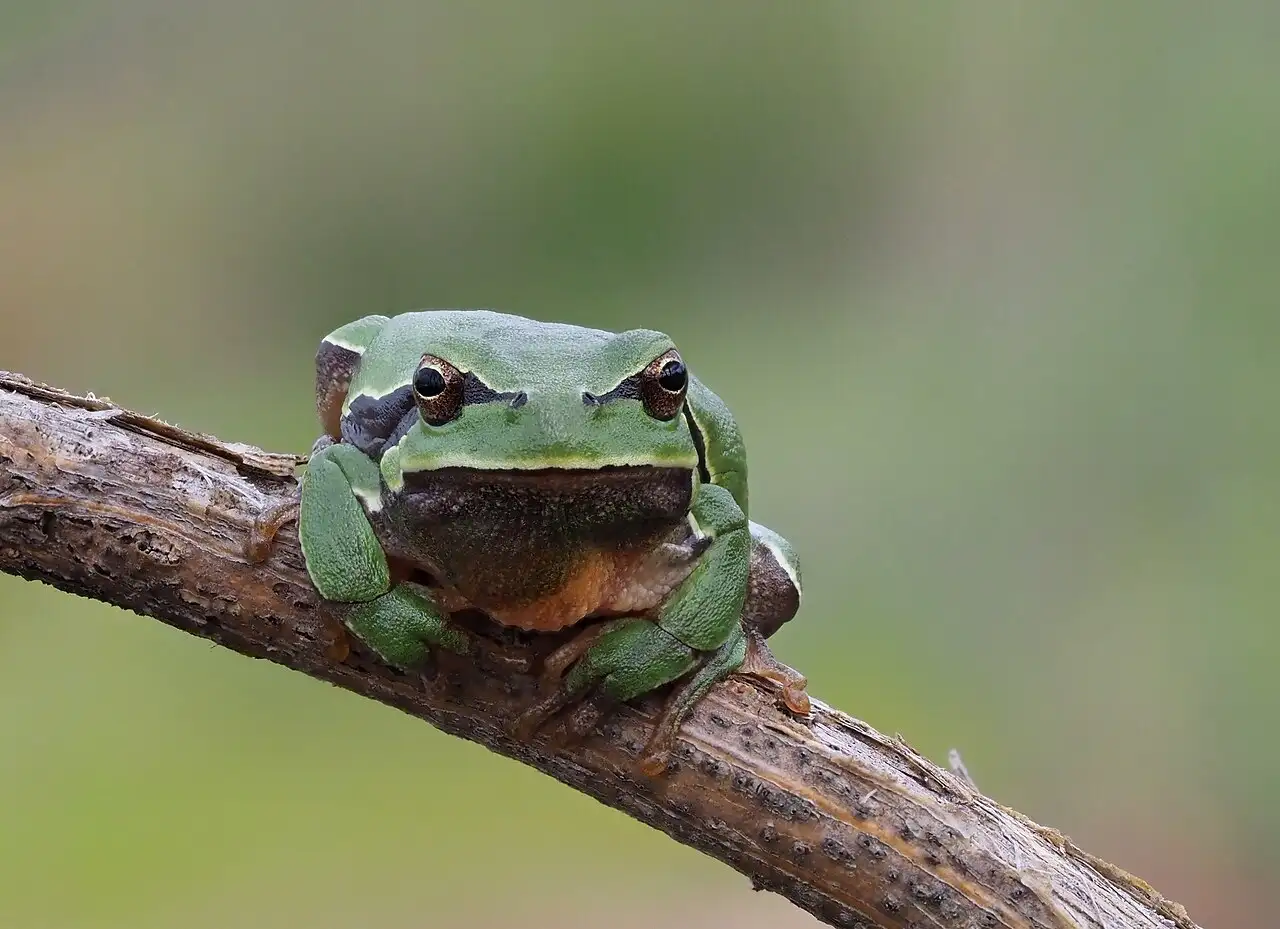
The park guide cites it in the Laguna de los Cuatro Morros, together with the newts and the Iberian Tree Frog, and the website includes it among the four urodele species of the park. The seasonal ponds of the raña, without fish, are especially suitable places for amphibians to breed.
Can it be seen in Cabañeros?
It is nocturnal and aquatic: hard to see. Do not take amphibians out of the water or handle them; they are protected.
Salvador, A. (2015). Gallipato – Pleurodeles waltl. En: Salvador, A. y Marco, A. (eds.), Enciclopedia Virtual de los Vertebrados Españoles. Museo Nacional de Ciencias Naturales (CSIC). vertebradosibericos.org
OAPN (2011). Guía de visita del Parque Nacional de Cabañeros. PDF
Real Decreto 139/2011, Listado de Especies Silvestres en Régimen de Protección Especial y Catálogo Español de Especies Amenazadas. BOE