Wingspan compared with a person with arms outstretched.
Length
100–115 cm
Wingspan
2.65–2.9 m
Weight
7–11.5 kg
Social life
Solitary or in pairs; in groups at carcasses
Lifespan
Up to 39 years (in captivity)
Conservation status
LC
NT
VU
EN
CR
EW
EX
Global (IUCN)
Near Threatened
Spain
Vulnerable
When to see it
Resident in Cabañeros
Months of the year when it is present
J
F
M
A
M
J
J
A
S
O
N
D
In Iberia and Cabañeros
yes
yes
yes
yes
yes
yes
yes
yes
yes
yes
yes
yes
Breeding season
no
yes
yes
yes
yes
yes
yes
yes
yes
no
no
no
Song or voice of the Cinereous Vulture
A silent bird that sometimes gives a dull, one-syllable «krro». It is almost only heard at the nest or in disputes over food at a carcass, with hisses and grunts. The recording (call) is by Sven Normant and was made in the Gorges du Jonte (France), with birds feeding alongside Griffon Vultures (xeno-canto XC915620, quality A). It lasts 2.9 seconds and is a trimmed section of a 2.9 s clip, without repeating or lengthening, from which we have removed the bass below 200 Hz, reduced the background noise and adjusted the volume; neither pitch nor speed has been changed. It is from France, not Spain.
Prolonged, expert gliding, with very occasional flaps, deep in cold air, and in still air it beats its wings heavily. It is very lazy, and does not move unless it has to. It also knows how to use rising winds to climb gliding without flapping. In flight, its flat wings give it a rectangular shape, less elegant than the Griffon Vulture’s.
Flight typeThermal glider
It climbs in wide circles without flapping, on wings flat and broad as a board.
From above it glides for kilometres, losing height little by little, with the hand slightly drooped and almost without a flap.
When it sees it, or sees other vultures coming down, it descends in a spiral and lands with its feet forward and its wings raised.
Photo gallery of the Cinereous Vulture
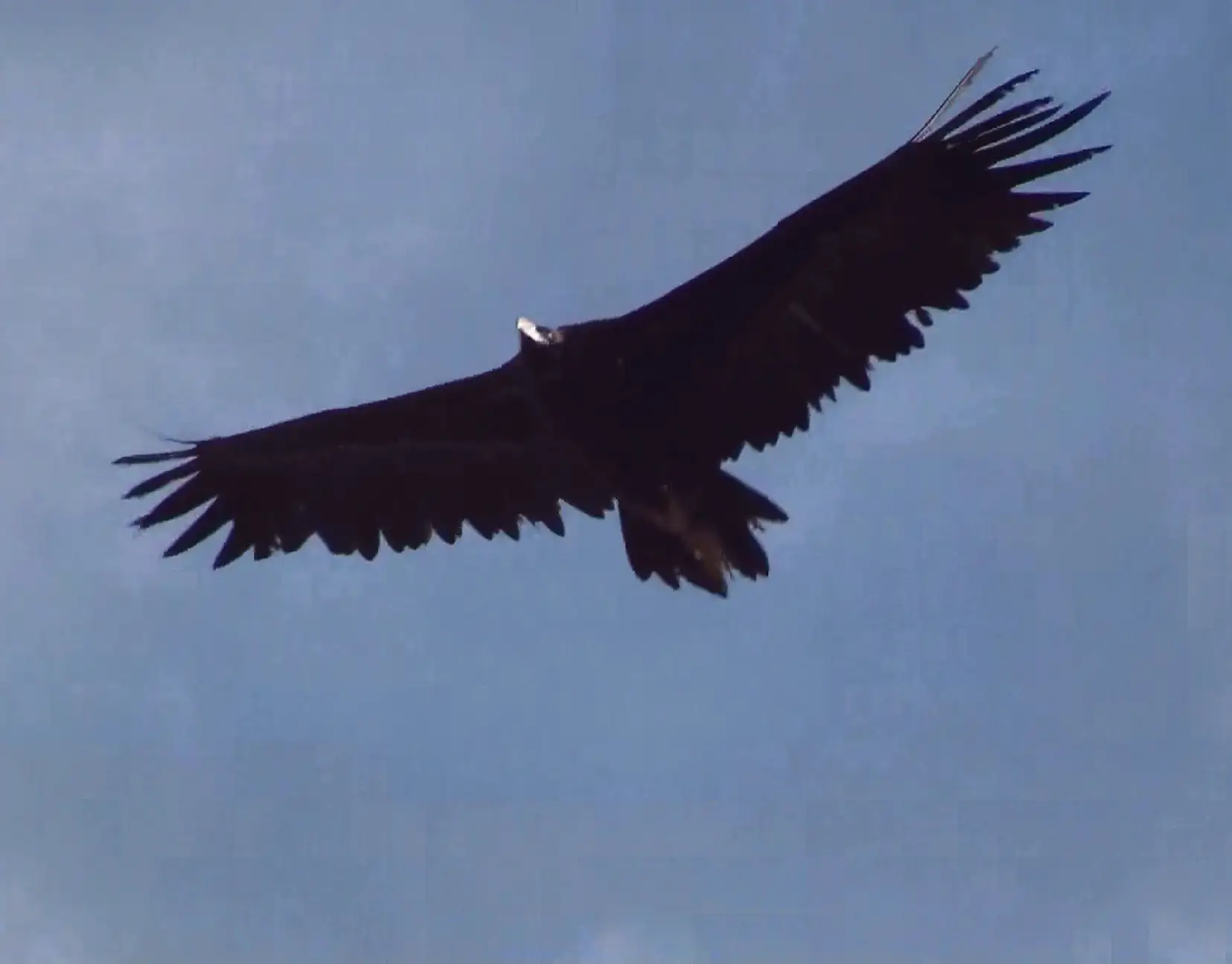
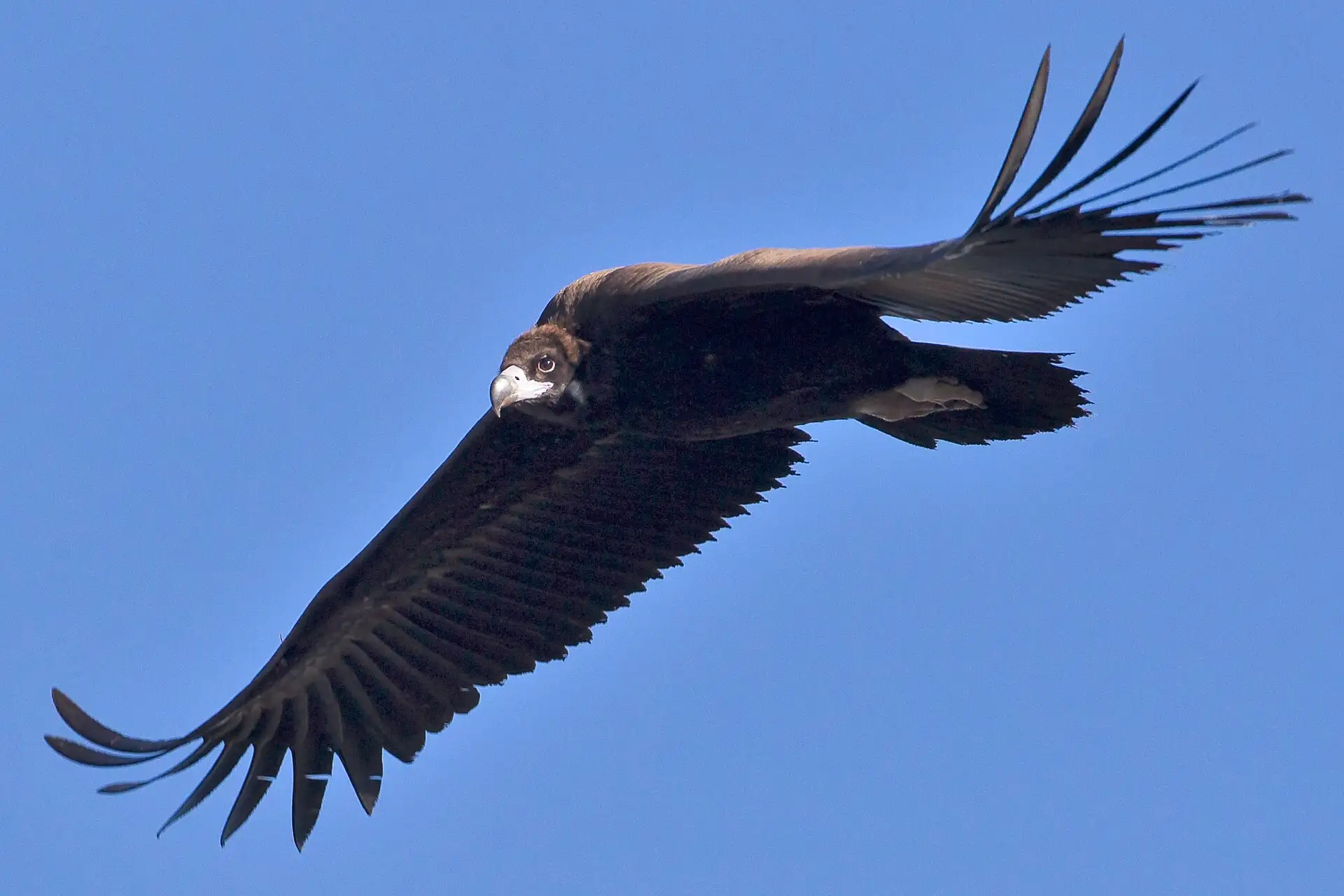
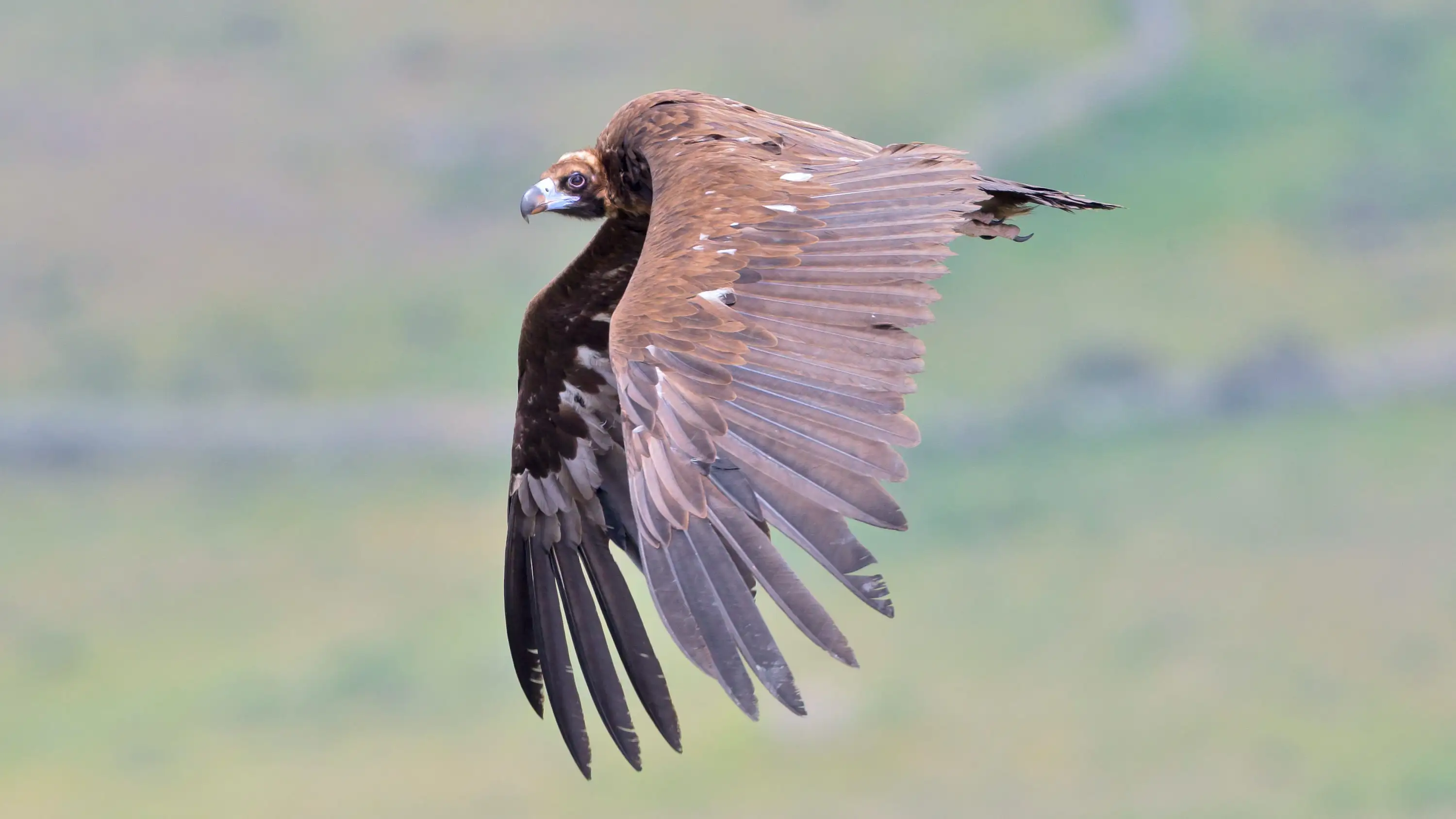
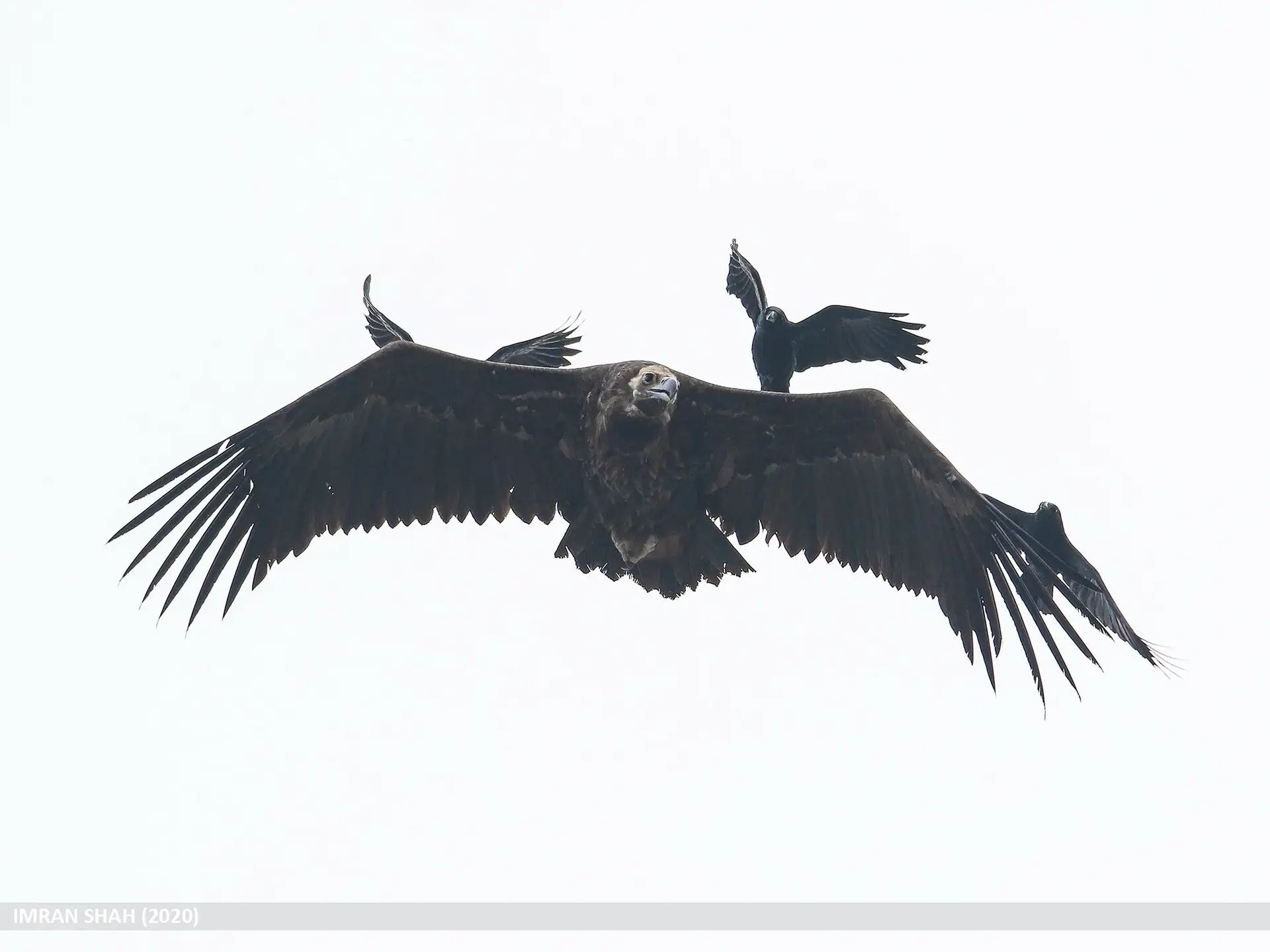
In flight, from below: long, board-straight wings, with seven fingersPhoto: BirdingInSpain, CC BY-SA 3.0Photo 1 of 4
Circling on a thermal: the pale head and the brown ruff can be seenPhoto: Juan Lacruz, CC BY-SA 3.0Photo 2 of 4
From above: the brown back and the short wedge-shaped tailPhoto: Juan Lacruz, CC BY-SA 3.0Photo 3 of 4
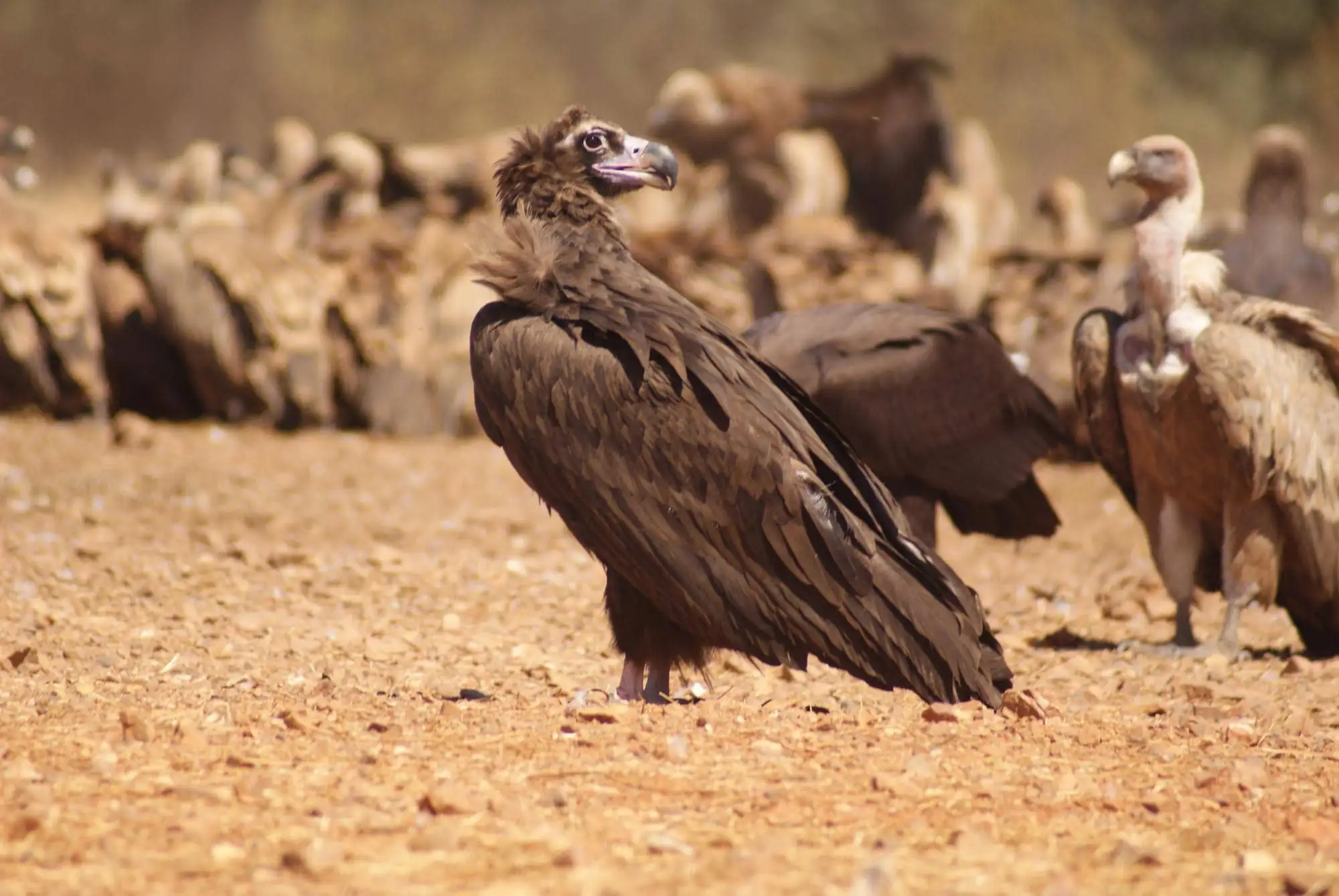
It is one of the largest flying birds in the world, striking to see from the ground. It differs from the Griffon Vulture by its straight front silhouette, and from eagles by its small wedge-shaped tail. Its wings are broad, flat and square, the leading edges very dark. Its head is pale with a black mask and it has a pale collar, darker in juveniles.
First-year young birds have a glossy black colour, and their head is covered in small black down, which will be replaced by white down in their second year.
When they reach breeding age, the plumage is blackish brown and the black down on the head is reduced to a ring around the eye.
Habitat and distribution of the Cinereous Vulture
Unlike the Griffon, the Cinereous Vulture nests and tends to perch on trees, instead of cliffs. It also often spends quite a lot of time on the ground, near food that lies there, such as dead sheep and goats.
In Spain almost all of it lives in the south-western quadrant: Extremadura, Castilla y León, Castilla-La Mancha, Madrid and Andalusia, with a separate core in the Sierra de Tramuntana, on Mallorca. The Montes de Toledo, with Cabañeros at the head, are one of its great strongholds.
Areas where it is regularly recorded since 2010Squares of about 25 km where it is recorded regularly (occasional passage records are left out). Data from GBIF.org (103,225 records, retrieved October 2026); outline from Natural Earth.
Etymology of the Cinereous Vulture
«Aegypius» comes from the Greek «αἰγυπιός» (aigypiós), the name the ancient Greeks gave to the great vultures. «Monachus» is Latin and means «monk»: the ruff of brown feathers around its neck recalls the hood of a habit. Hence also another of its names, the monk vulture.
Population of the Cinereous Vulture
Spain is the great refuge of the Cinereous Vulture in Europe. The last national SEO/BirdLife census, in 2017, counted 2,548 pairs, the vast majority of those breeding on the continent. It is a population that has recovered greatly since the 1970s, when barely a couple of hundred pairs were left, although poison is still its main threat.
Nest of the Cinereous Vulture
It breeds in trees, almost always holm oaks, cork oaks or pines on quiet slopes. The nest is an enormous platform of branches that the pair uses year after year, adding another layer each season, until it becomes one of the largest constructions of any European bird, two metres wide and more.
Mating and breeding
It reaches breeding age between 5 and 7 years. Laying starts in February and runs into March. They lay a single egg, 2 have occasionally been observed, averaging about 90 × 70 mm, white or cream with greenish spots. Both sexes incubate in the same posture and it lasts between 50 and 57 days. The incubation shift of each adult without a break varies and ranges from 6 hours to 5 days in a row. The changeover is sometimes very prolonged.
The chicks hatch in mid-April weighing about 170 g. They will be in the adults’ care for the first 100 days, who protect them from sun and rain by spreading their wings over them. They will also bring them food and water in the crop. The chick will make its first flights with the arrival of autumn.
Diet of the Cinereous Vulture
The chicks’ diet is made up of prey semi-digested by the adults, who regurgitate it in the nests. They break up the food so that the chick can digest it. During the breeding period the diet is based on rabbit.
Curious facts about the Cinereous Vulture
When we see them circling in the sky they are not watching for carrion, as is commonly said, but taking advantage of the air currents to rest.
Situation in Cabañeros
Popularly known as «abanto», it is a conspicuous resident species of the sclerophyllous woodland, although immatures disperse. The population in the park is high, and the number of pairs that breed successfully depends on the weather, especially on the constancy of rainfall during the hatching season (JIMÉNEZ, 1991). In the 1990s some 120 pairs bred in Cabañeros. Today there are almost three times as many.
In December the courtship flights and nest building begin, which seem to have a social function, since the pair sleeps in them until after the breeding period. Without being a colonial species, vultures usually concentrate their nests in the same place. Each pair’s territory covers about 1 ha, so that the density does not become excessive. In Cabañeros the average distance between neighbouring nests is 370 metres (JIMÉNEZ, 1991).
This tendency to cluster is possibly due to obtaining food, since the social behaviour of «local enhancement» works by increasing the efficiency of use of the home ranges, which reaches its peak in summer. It usually exploits scrub areas successfully to get its prey.
It is a very aggressive bird. Kleptoparasitism towards other species such as the Tawny Eagle (Aquila rapax) and the Spanish Imperial Eagle has also been described, the latter observed in Cabañeros.
Since 1988, like the Spanish Imperial Eagle, the Cinereous Vulture has tripled its population in Cabañeros National Park.
The park’s censuses, year by year
Each season the park counts the pairs that breed and the chicks that fly, and publishes the results in its newsletter «Desde el parque» (all the newsletters) (in Spanish). This is the series since 2016:
Year
Breeding pairs
Chicks fledged
2016
206
169
2017
224
187
2018
239
169
2019
268
215
2020
278
189
2021
253
200
2022
281
224
2023
293
215
2024
299
230
2025
322
253
2025 is the best season on record: of the 322 pairs, 311 went on to incubate and 253 raised their chick, a breeding success of 81.4 %. The park boasts, rightly, of having one of the largest breeding colonies of Cinereous Vulture in the world and the largest population of the species inside a national park. Chick numbers vary quite a bit from one year to the next (169 in 2018, 215 in 2019, 189 in 2020). Already in 1991 Jiménez pointed out that breeding success depends on the rains in the hatching season.
Where to see the Cinereous Vulture in Cabañeros
Practically in any area, above all during the cold seasons.
When
All year. In winter, with cold, clear air, is when it is seen most gliding over the sierras.
What time
From mid-morning onwards: it needs the sun to warm the ground and thermals to form for it to take off.
Where
In practically any part of the park, above all over the sierras and the large expanses of raña.
What to look for
An enormous, dark silhouette, with wings straight as a board, circling without a single flap. Beside it, a Griffon Vulture looks paler.
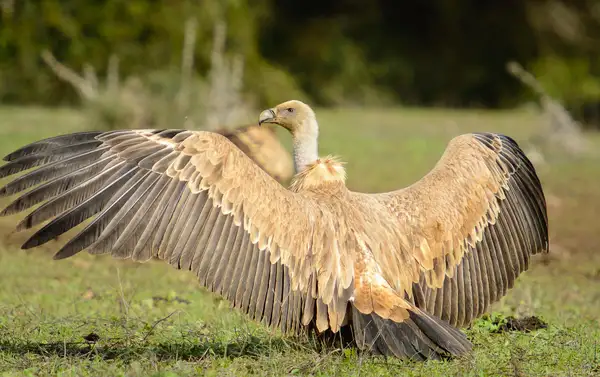
Somewhat smaller and much paler: below, the tawny-brown coverts contrast with the dark flight feathers. Long neck with white ruff and wings in an open «V» when gliding.
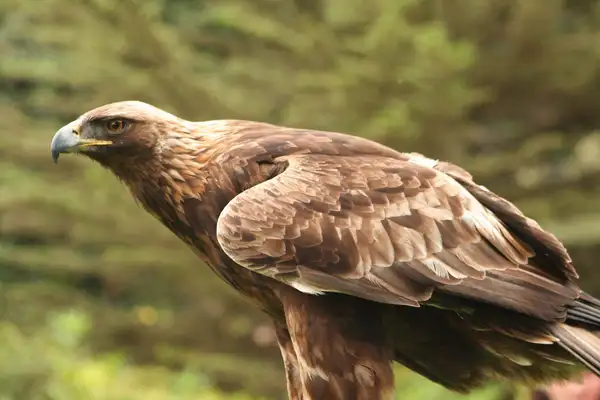
Smaller, with a longer, rounder tail, a more protruding head and a golden nape. Its wings narrow at the base and it carries them slightly raised in a «V».
«Desde el parque» newsletter, Cabañeros NP (OAPN): September–October 2023, July–August 2024 and September–October 2025 (censuses). All the newsletters.
Jiménez García-Herrera, José. (2017). Aves de Cabañeros y su entorno. Madrid, Spain: Ecohábitat.



 Same family
 Same family
 Same family
 Same family
 Also in sclerophyllous woodland
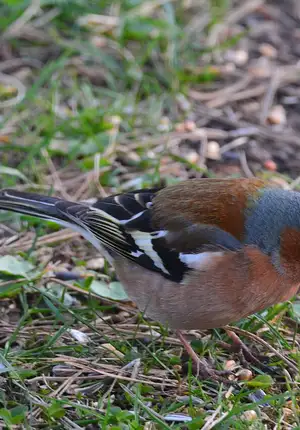 Also in sclerophyllous woodland
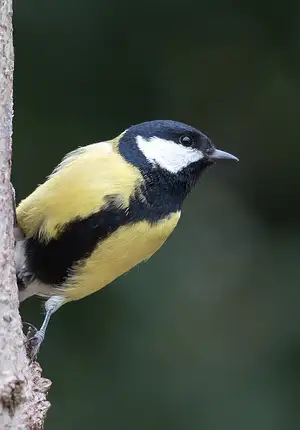 Also in sclerophyllous woodland
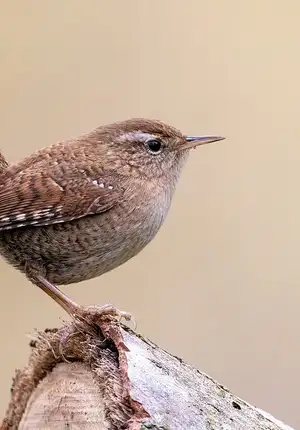 Also in sclerophyllous woodland






