Territorial and polygynous in the breeding season; the male may pair with several females
Lifespan
Record of 7 years and 7 months in the wild (a bird ringed in the Channel Islands)
Conservation status
LC
NT
VU
EN
CR
EW
EX
Global (IUCN)
Least Concern
Spain
Not on the List of Wild Species under Special Protection or in the Spanish Catalogue of Threatened Species
When to see it
Resident
Months of the year when it is present
J
F
M
A
M
J
J
A
S
O
N
D
In Iberia
yes
yes
yes
yes
yes
yes
yes
yes
yes
yes
yes
yes
Breeding season
no
no
no
yes
yes
yes
yes
no
no
no
no
no
Song or voice of the Eurasian Wren
Surprisingly powerful for such a small bird: a clean, ringing trill reminiscent of a canary’s, sung by both male and female. The contact call is a click like a rattle, «cherrr». It is very easy to hear and very hard to see, so we almost always identify it by the song, which comes from the thickest of the undergrowth.
SongEurasian Wren
0:00 / 0:25
10 kHz5
The sonogram draws the sound: time runs from left to right, and the higher a trace sits, the higher the note.Recording by Marie-Lan Taÿ Pamart, Wikimedia Commons (CC BY-SA 4.0).
Flight of the Eurasian Wren
It flies low, fast and in a straight line, with very rapid wingbeats, from bush to bush, and barely leaves the vegetation. When excited, it flicks and raises its tail at a 90-degree angle, just before vanishing into the thicket.
Flight typeLow, fast and direct, from bush to bush
It leaves the bramble with a dry click and the tail raised. We almost always hear it long before we see it.
Low, direct flight, with very quick wingbeats and short, rounded wings, from bush to bush. It hardly leaves the ground.
It brakes with its tail spread and vanishes among the branches, from where it emerges to sing as soon as it calms down.
Photo gallery of the Eurasian Wren
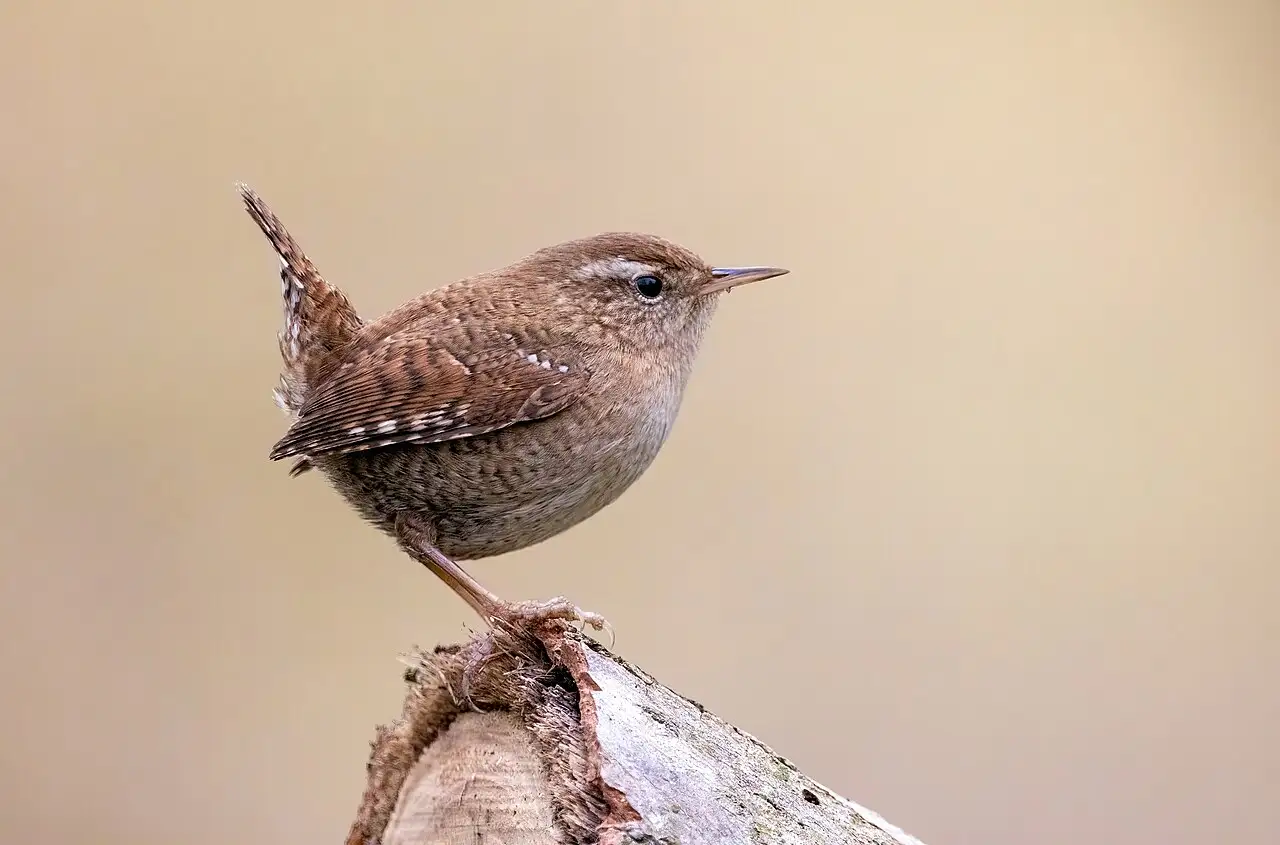
Eurasian Wren perched in profile on a trunk, with its short tail raised, pale eyebrow and barred brown plumagePhoto: Alexis Lours, CC BY 4.0Photo 1 of 4
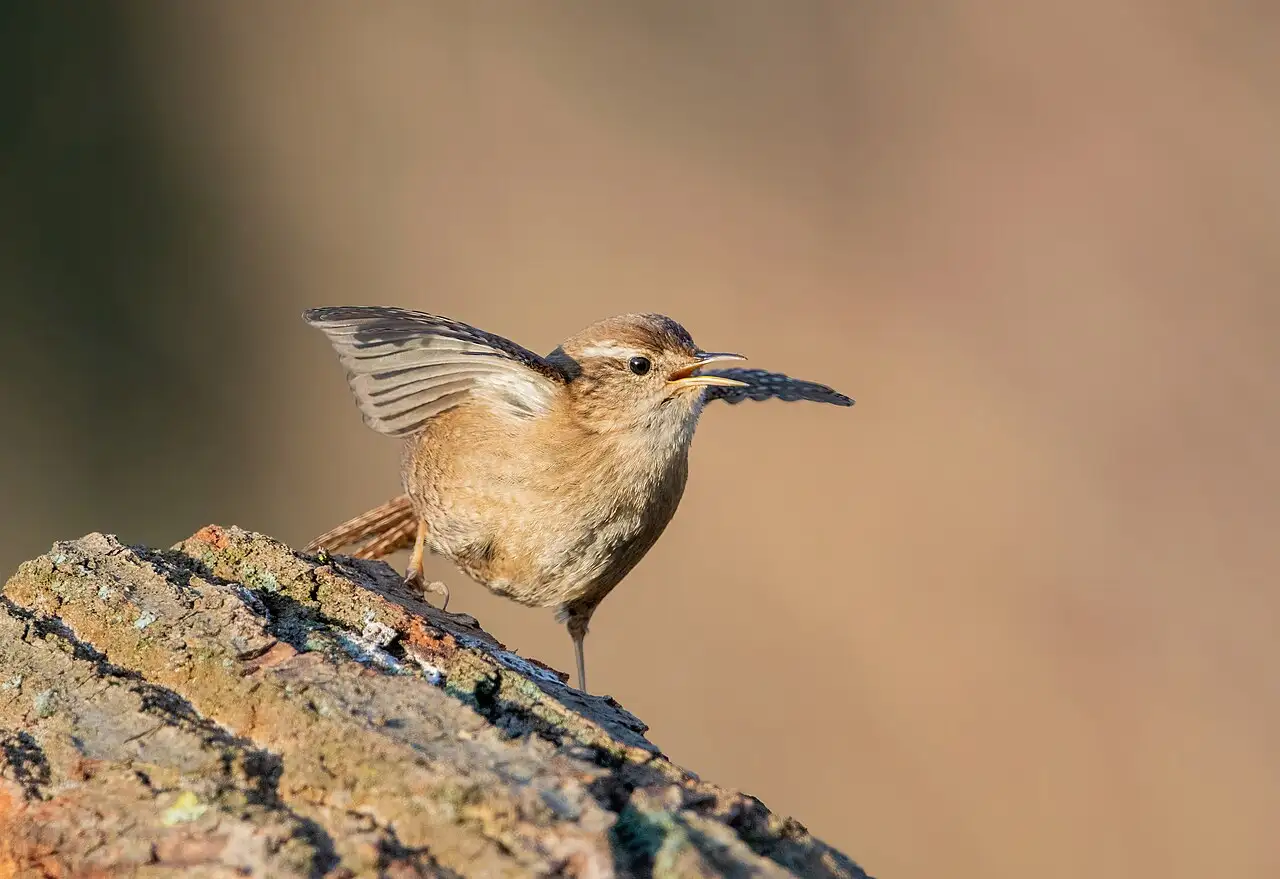
Eurasian Wren singing on a trunk, with wings half open and bill openPhoto: Alexis Lours, CC BY 4.0Photo 2 of 4
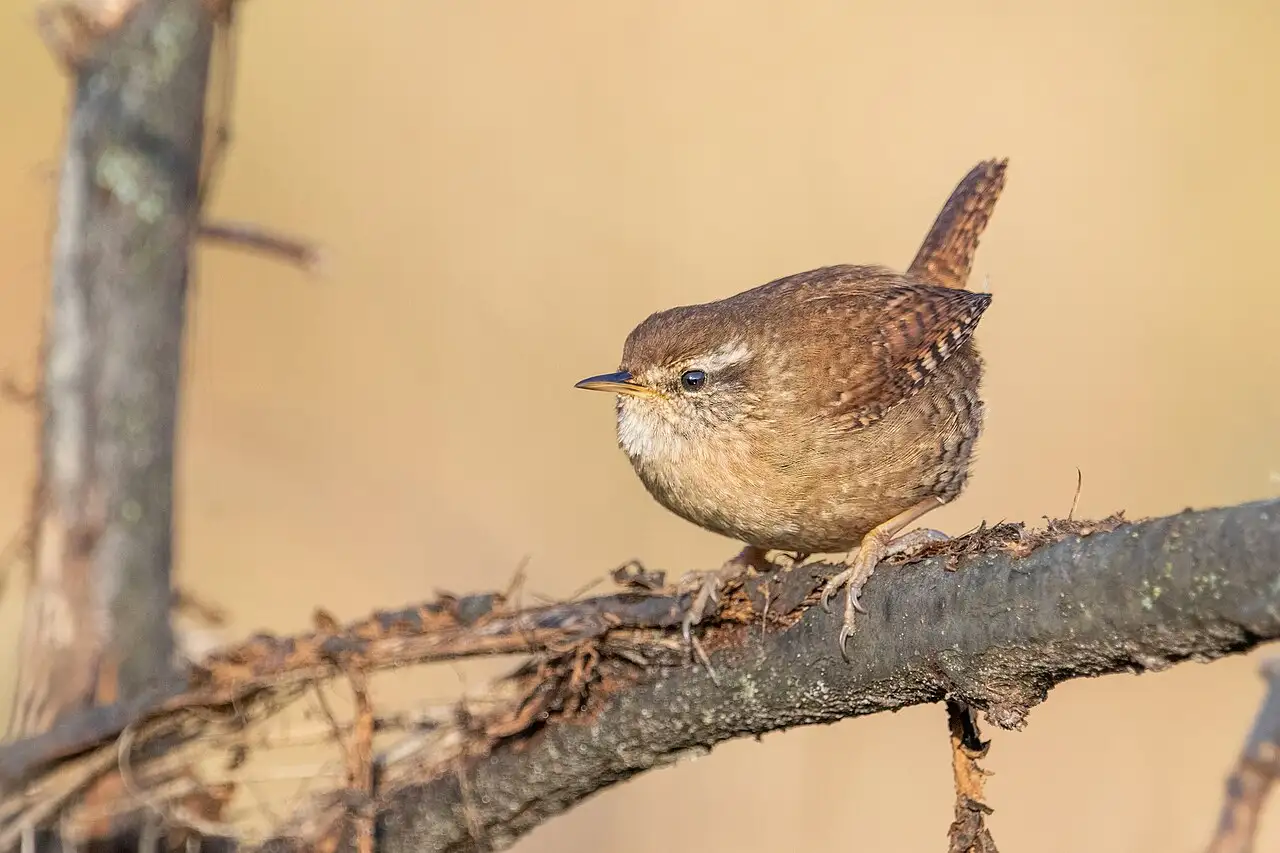
Eurasian Wren perched on a branch, from the front and in profile, with cream eyebrow and barred wingsPhoto: Alexis Lours, CC BY 4.0Photo 3 of 4
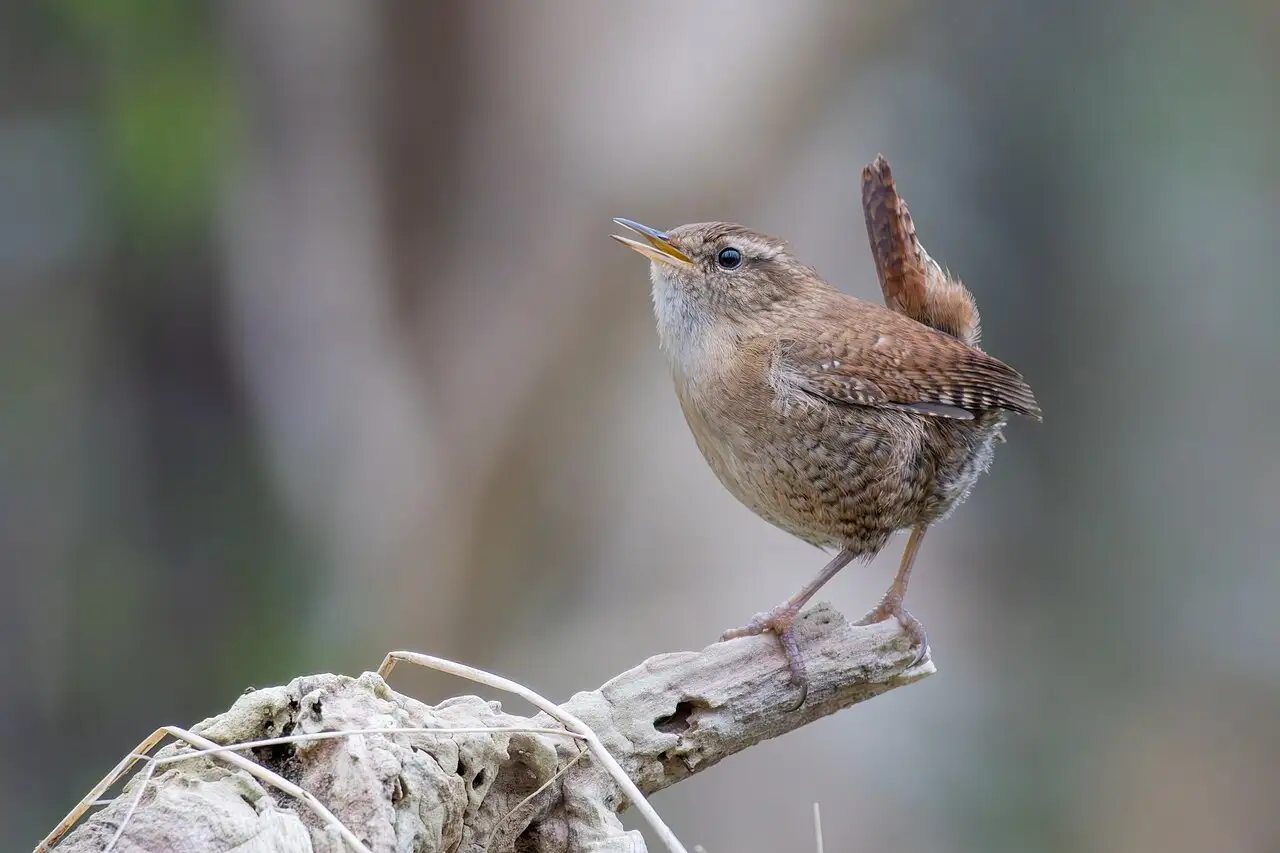
Eurasian Wren singing on a dry branch, with its tail raised and bill openPhoto: Alexis Lours, CC BY 4.0Photo 4 of 4
1 / 4
Identification of the Eurasian Wren
It is a small bird, of compact look, bulky head and short tail. Its plumage is reddish brown, somewhat paler below, and finely barred with darker tones. Over the eye it has a marked cream eyebrow, and the bill is thin and slightly curved, with a length that varies by subspecies. Differences between ages and sexes are very subtle and hard to see in the field.
Adult
Reddish brown, paler below and barred with dark.
Cream eyebrow over the eye.
Young bird and sexes
Almost alike each other and the adults: they can hardly be told apart in the field.
Habitat and distribution of the Eurasian Wren
It is spread across the whole temperate region of the northern hemisphere. In Europe it reaches Iceland in the north and North Africa in the south. More than 40 subspecies are recognised, spread across Europe, Asia, Africa and North America.
In Spain it occupies most of the Peninsula, the Balearics and Ceuta, although it is scarcer and more patchy in the southern half. It is absent entirely or very scarce from the great cultivated expanses of La Mancha, Castilla y León and Extremadura, from the arid areas of the Guadalquivir and Ebro valleys and the semi-deserts of Murcia and Almería, and does not live in the Canaries or Melilla. Two subspecies live here: «troglodytes», in the north, and «kabylorum», in the south of the Peninsula, the Mediterranean coast and the Balearics, which mix in central Spain. It is an inhabitant of thickets, undergrowth and dense branches, of damp, heavily vegetated environments, above all riverside understorey, marsh areas and Atlantic deciduous woods. In the southern half it appears in cork oak woods, pine woods and dense holm oak woods with abundant understorey, or in more open woodland with damp meadows and thorny shrubs. It reaches 2,200 metres in Sierra Nevada. In Spain the population is resident and in the cold season grows with the arrival of winter visitors.
Areas where it is regularly recorded since 2010Squares of about 25 km where it is recorded regularly (occasional passage records are left out). Data from GBIF.org (421,735 records, retrieved October 2026); outline from Natural Earth.
Etymology of the Eurasian Wren
«Troglodytes» comes from the Greek «trōglodýtēs», «the one who lives in caves», «the troglodyte». The species name, «troglodytes», repeats the genus name.
Population of the Eurasian Wren
In Spain, according to 1997 data, about 5.3 million individuals are estimated, with the highest concentrations in Castilla y León, Galicia and Catalonia. The general trend is very positive, with increases across the country, more pronounced in the Eurosiberian region. In Europe, the 2021 European Red List of Birds estimates between 66.5 and 113 million mature individuals, with an increasing trend. It is classed as Least Concern. It does not seem to have conservation problems, although locally it is affected by felling, ploughing of scrub and degradation of groves and wetlands.
Nest of the Eurasian Wren
It is a carefully made construction, of grasses and moss and spherical in shape, with a single small entrance hole. It places it near the ground, among thorny vegetation, in a hollow of a tree or stump, or in cavities of walls or banks.
Courtship and breeding of the Eurasian Wren
The breeding season runs from April to July. It lays three to nine eggs, and the number varies according to whether the male pairs with one female or several, because it is a polygynous species. It usually makes a second clutch, which begins before the first is finished. The female incubates alone for 16 to 20 days, and both parents feed the chicks, although each one’s effort varies through the breeding season. Rearing generally lasts 12 to 20 days.
Diet of the Eurasian Wren
It is strictly insectivorous. It hunts among shrubby or herbaceous vegetation, and to a lesser extent on the ground, beetles, spiders, flies, mosquitoes, aphids and other bugs. It often comes down through riverside scrub to the water surface to catch mosquitoes and mayflies.
Curious facts about the Eurasian Wren
It is one of the smallest birds of our fauna and yet one of those that make themselves heard most: its song is powerful and carries far. Its ball-shaped nest, with the entrance on one side, is a small feat of construction. And it is polygynous: the number of eggs in the clutch changes according to whether the male pairs with one female or several.
The Eurasian Wren in Cabañeros
The habitat pages of this website list it in the deciduous woodland of Cabañeros: a bird very hard to see but very easy to hear, since its characteristic song fills the woods with joy.
Where to see the Eurasian Wren in Cabañeros
In the dense undergrowth of the deciduous woods of Cabañeros and in the brambles of the shores.
When
All year; it is resident, and in winter birds arriving from the north join it.
What time
Early in the morning, when it sings, although it also does so on cold winter days.
Where
In dense undergrowth, brambles, fallen trunks and stream banks, low down.
What to look for
A little brown, round bird with a cocked tail, which hops among the low branches and lets out a powerful trill.
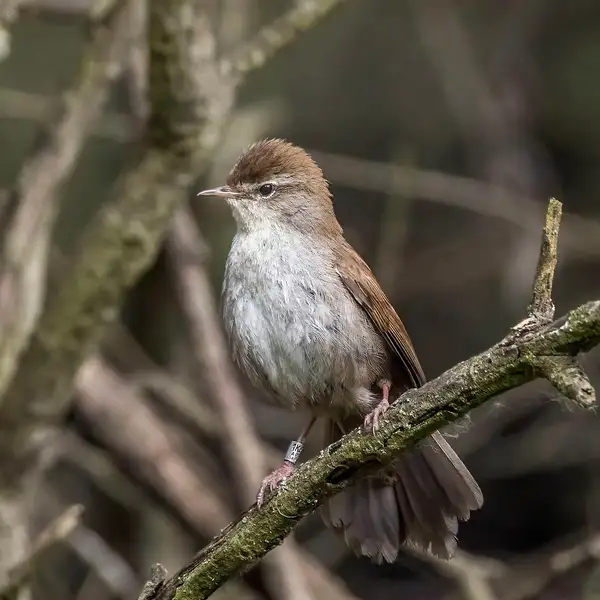
Somewhat bigger (13 to 14 cm), with a dark reddish-brown back and greyish underparts, with a pale eyebrow, rounded wings and tail and a very thin bill. It too is heard more than seen, with an explosive song: «cuchí-cuchí-cuchí».
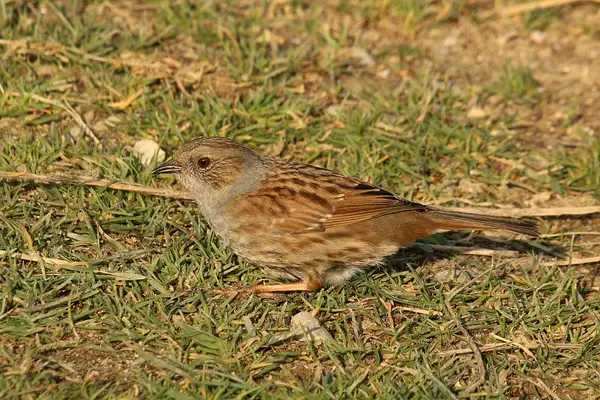
Sparrow-sized (13 to 14 cm), with a thin, pointed bill, head, throat and breast leaden grey and a brown back with dark streaks. It likes to move among low vegetation and walk on the ground.
Photo: Charles J. Sharp, CC BY-SA 4.0
Other birds
Birds related to the Eurasian Wren or sharing its habitats in Cabañeros.



 Also in sclerophyllous woodland
 Also in sclerophyllous woodland
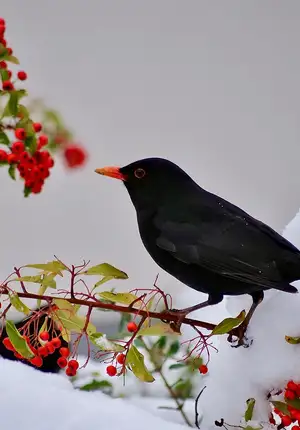 Also in sclerophyllous woodland
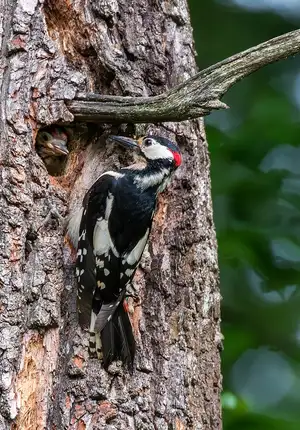 Also in sclerophyllous woodland
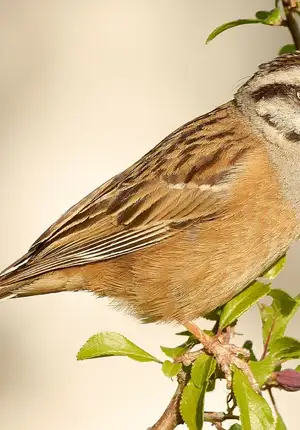 Also in deciduous woodland
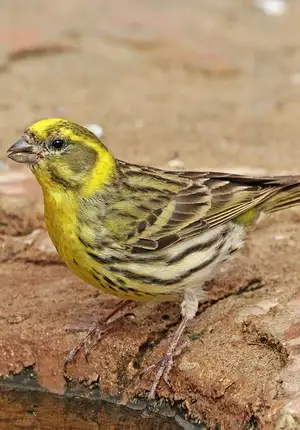 Also in sclerophyllous woodland
 Also in deciduous woodland
 Also in deciduous woodland






