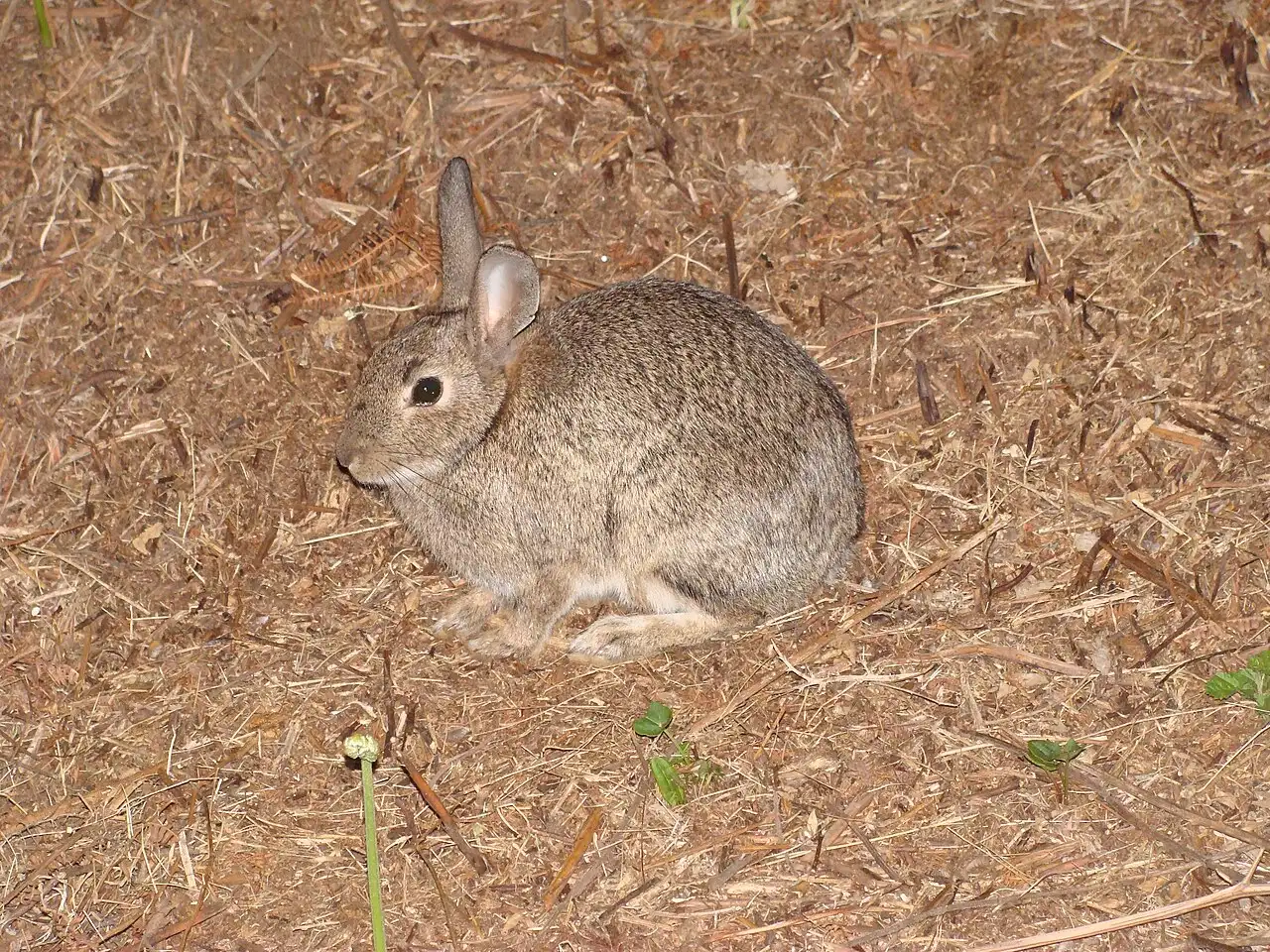
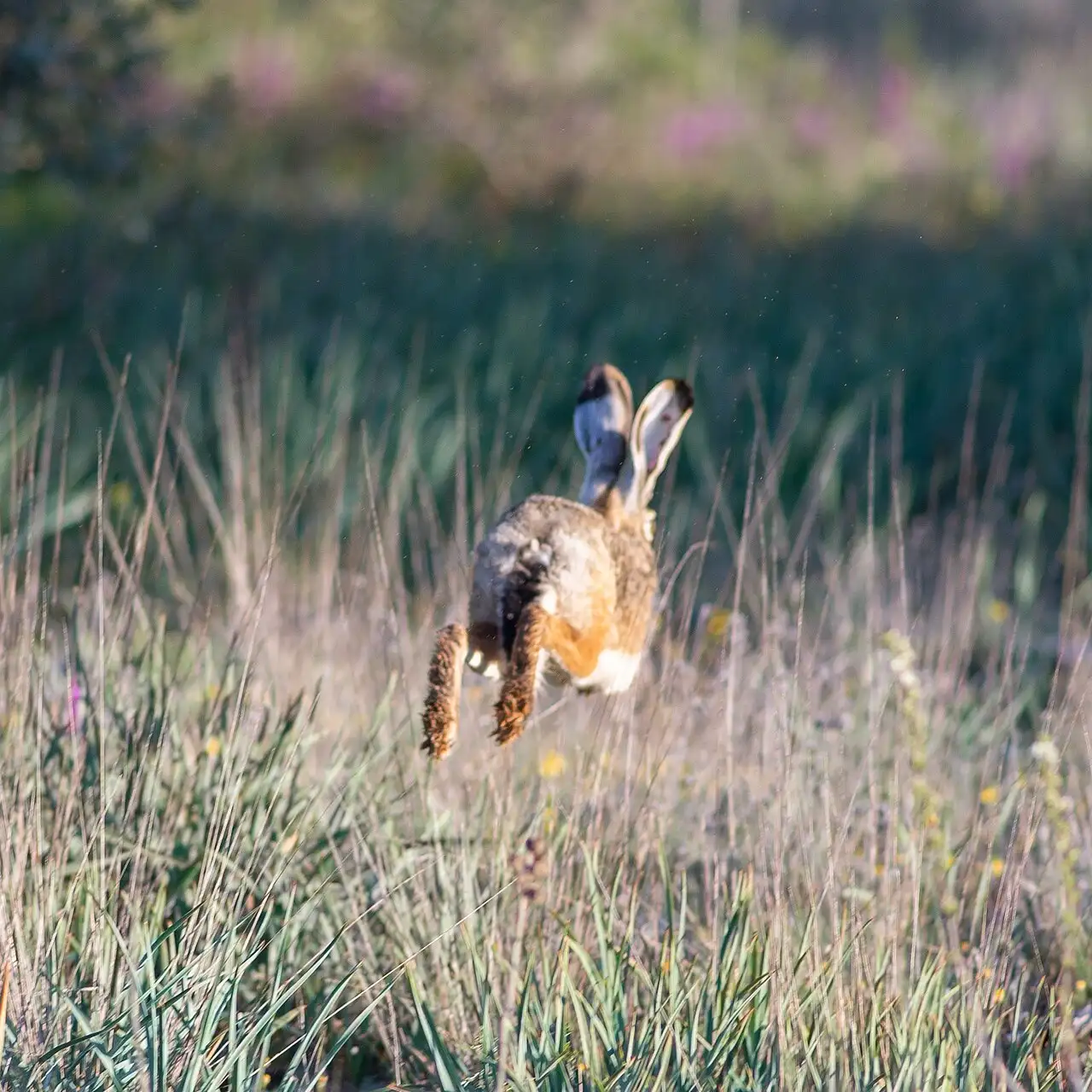
Rabbit where there are any; otherwise rodents. Also shrews, reptiles and insects
Social life
Solitary, except in the rut
Lifespan
Record of 19 years (in captivity)
Conservation status
LC
NT
VU
EN
CR
EW
EX
Global (IUCN)
Least Concern
Spain
On the List of Wild Species under Special Protection (Spain)
When to see it
Mammal · in Cabañeros
Present but scarce. According to the park guide, it still keeps a good degree of genetic purity.
Months of the yearly cycle
J
F
M
A
M
J
J
A
S
O
N
D
Rut
yes
yes
yes
no
no
no
no
no
no
no
no
no
Photos of the European Wildcat
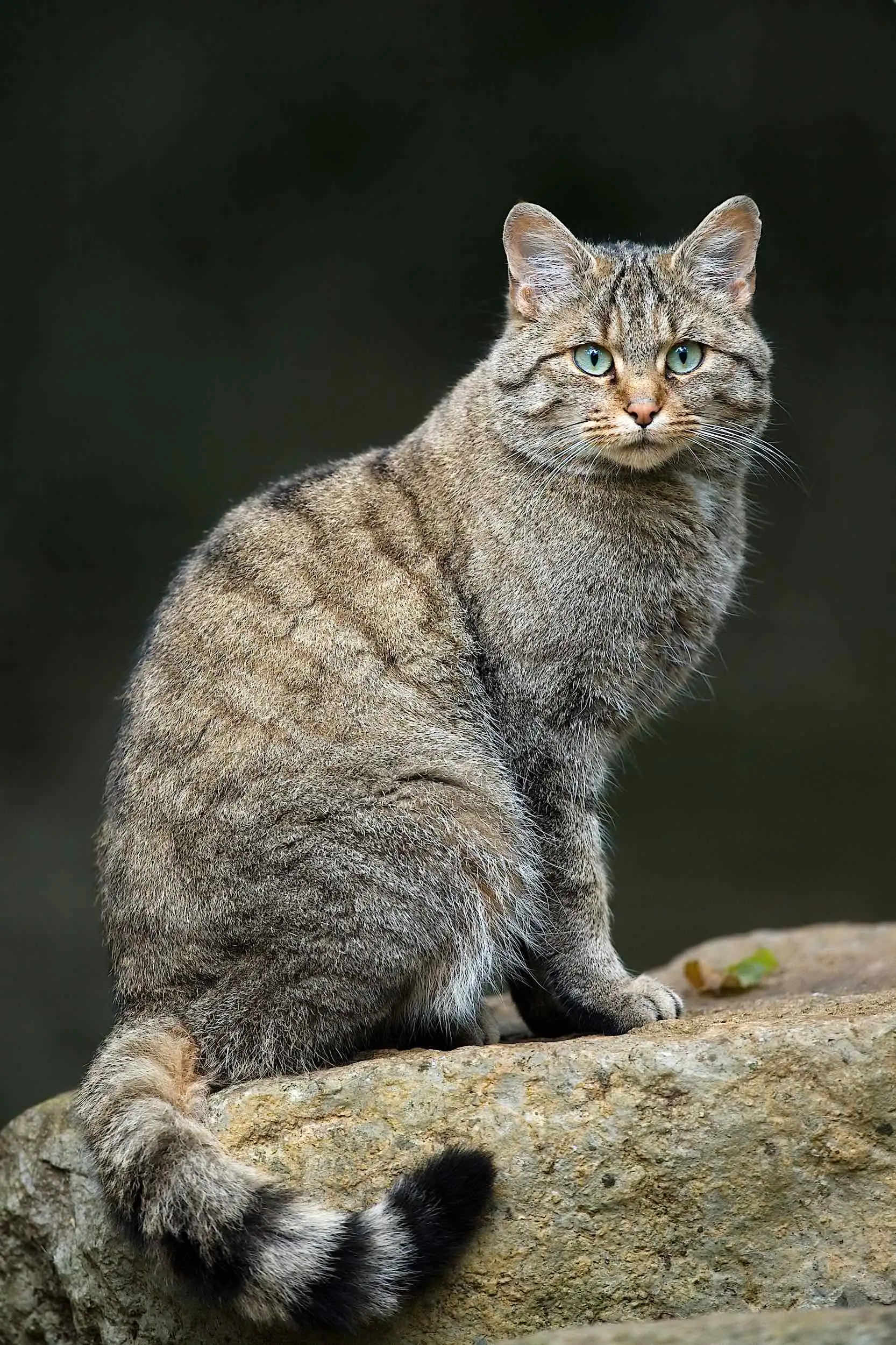
European Wildcat sitting: broad head, stripes on the forehead and a thick, ringed tailPhoto: Lviatour, CC BY-SA 3.0Photo 1 of 3
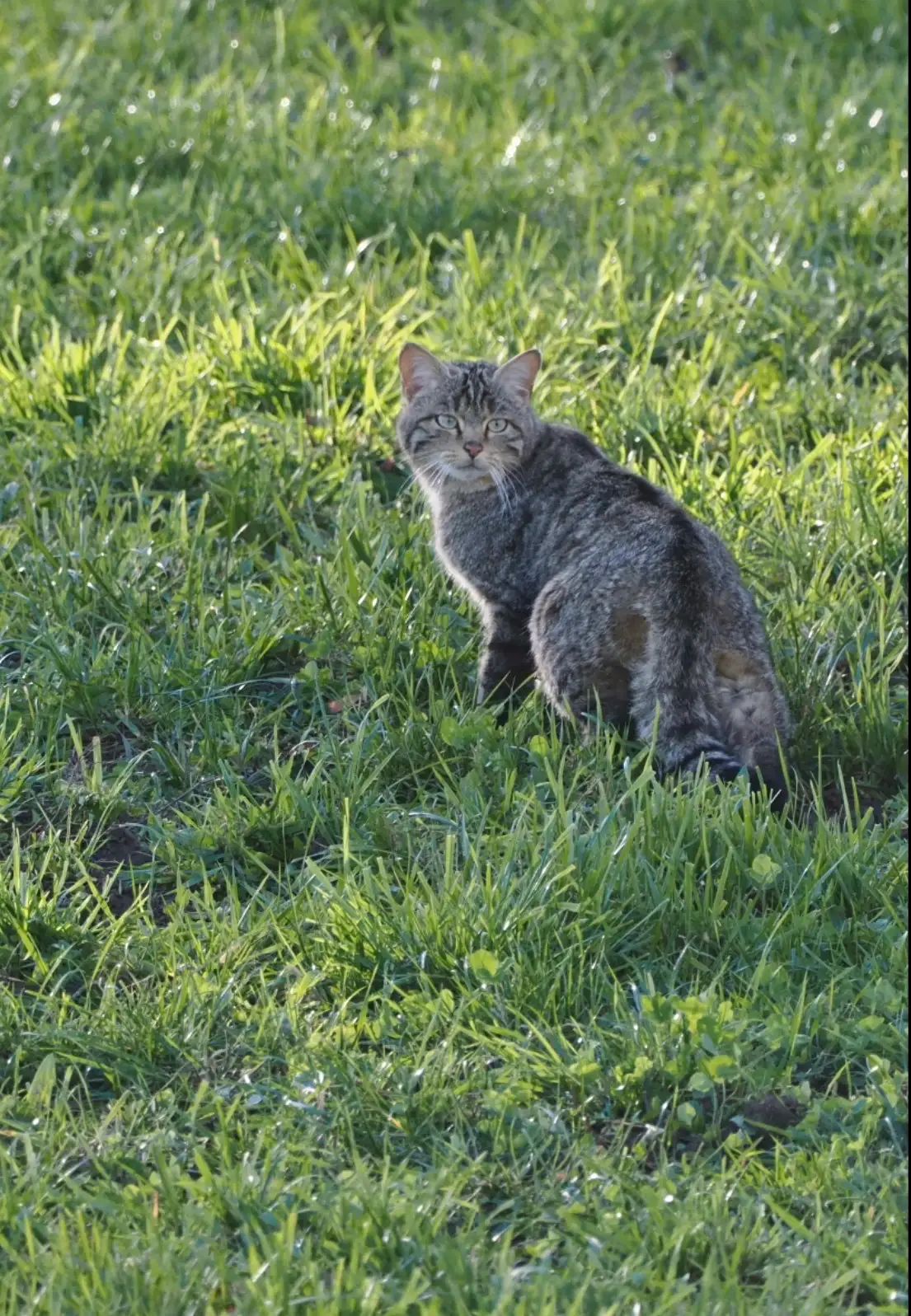
A European Wildcat in the grass, at the edge of the woodlandPhoto: Nils, CC BY 4.0Photo 2 of 3
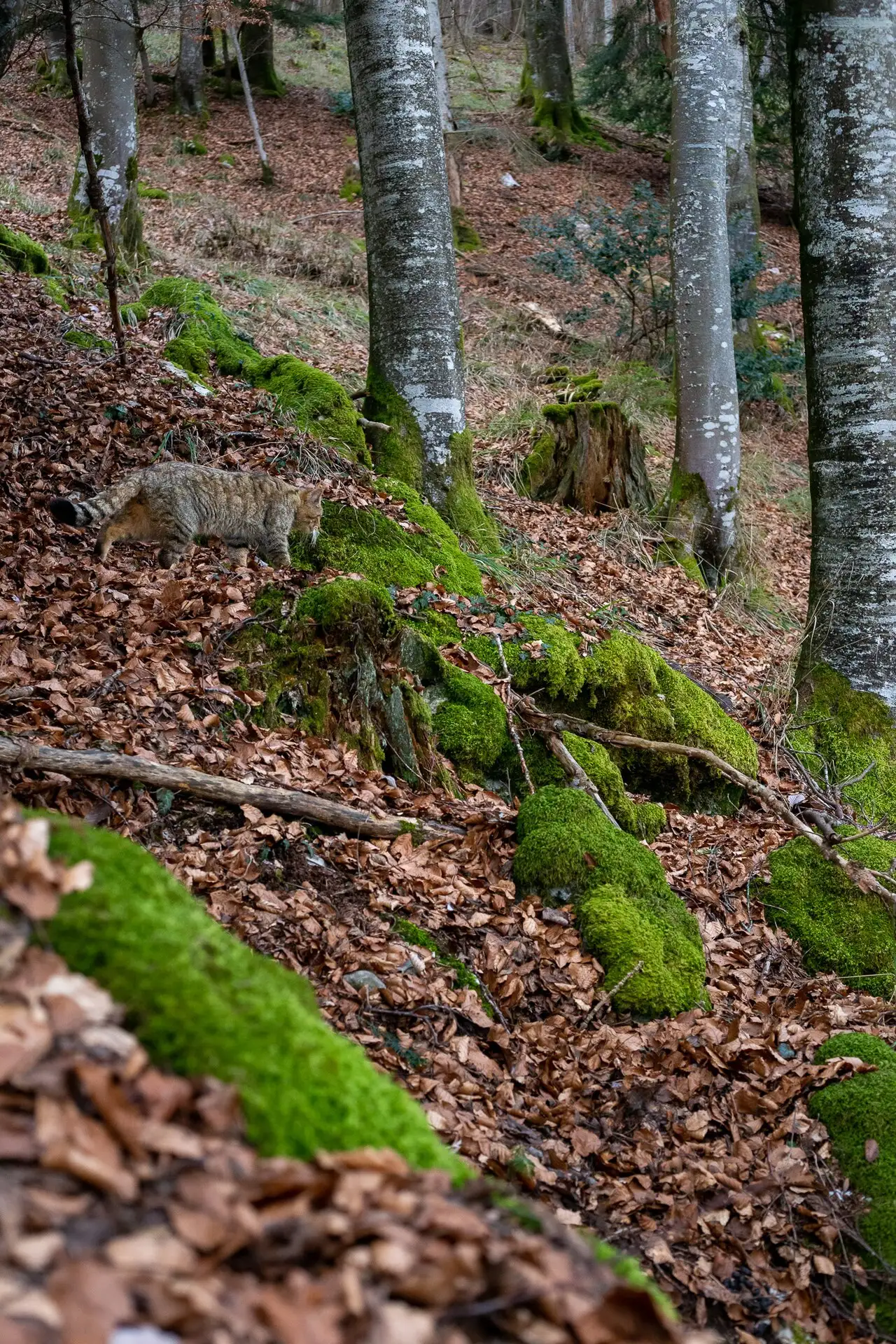
European Wildcat walking among moss and leaf litterPhoto: Nils, CC BY 4.0Photo 3 of 3
1 / 3
Identification of the European Wildcat
Males weigh on average 4.6 kilos and females 3.7. The tail is about thirty centimetres long. The hardest thing is telling it from a tabby house cat, which is why it matters that the Cabañeros one keeps its genetic purity.
Habitat and distribution of the European Wildcat
It lives in woods and scrub with plenty of cover, far from villages. On the peninsula it is spread irregularly and at low densities.
Areas where it is regularly recorded since 2010Squares of about 25 km where it is recorded regularly (occasional records are left out). Data from GBIF.org (1,951 records, retrieved October 2026); outline from Natural Earth.
Breeding of the European Wildcat
The rut runs from January to March, with fertile periods of two to eight days, although there can be matings until August. Gestation lasts a little over two months and on average three or four young are born. If a litter is lost, the female can have another.
Diet of the European Wildcat
It hunts mainly small and medium-sized mammals: where there are rabbits it specialises in them, and where there are not, in rodents. When they are scarce, it rounds out its diet with shrews, moles, reptiles and insects.
The European Wildcat in Cabañeros
The park guide describes it as «stealthy» and stresses that it still keeps a good degree of genetic purity, something ever rarer. The Ministry, in its 2025 information, notes that it is present in the park, but in low numbers.
Can the European Wildcat be seen in Cabañeros?
Very rarely. It is solitary, shy and active mainly at dawn and dusk, although it is not unusual for it to come out by day. If you are lucky enough to cross paths with one, keep your distance: seeing it is already a lot.
Lozano, J. (2017). Gato montés – Felis silvestris. En: Salvador, A. y Barja, I. (eds.), Enciclopedia Virtual de los Vertebrados Españoles. Museo Nacional de Ciencias Naturales (CSIC). vertebradosibericos.org
OAPN (2011). Guía de visita del Parque Nacional de Cabañeros. PDF