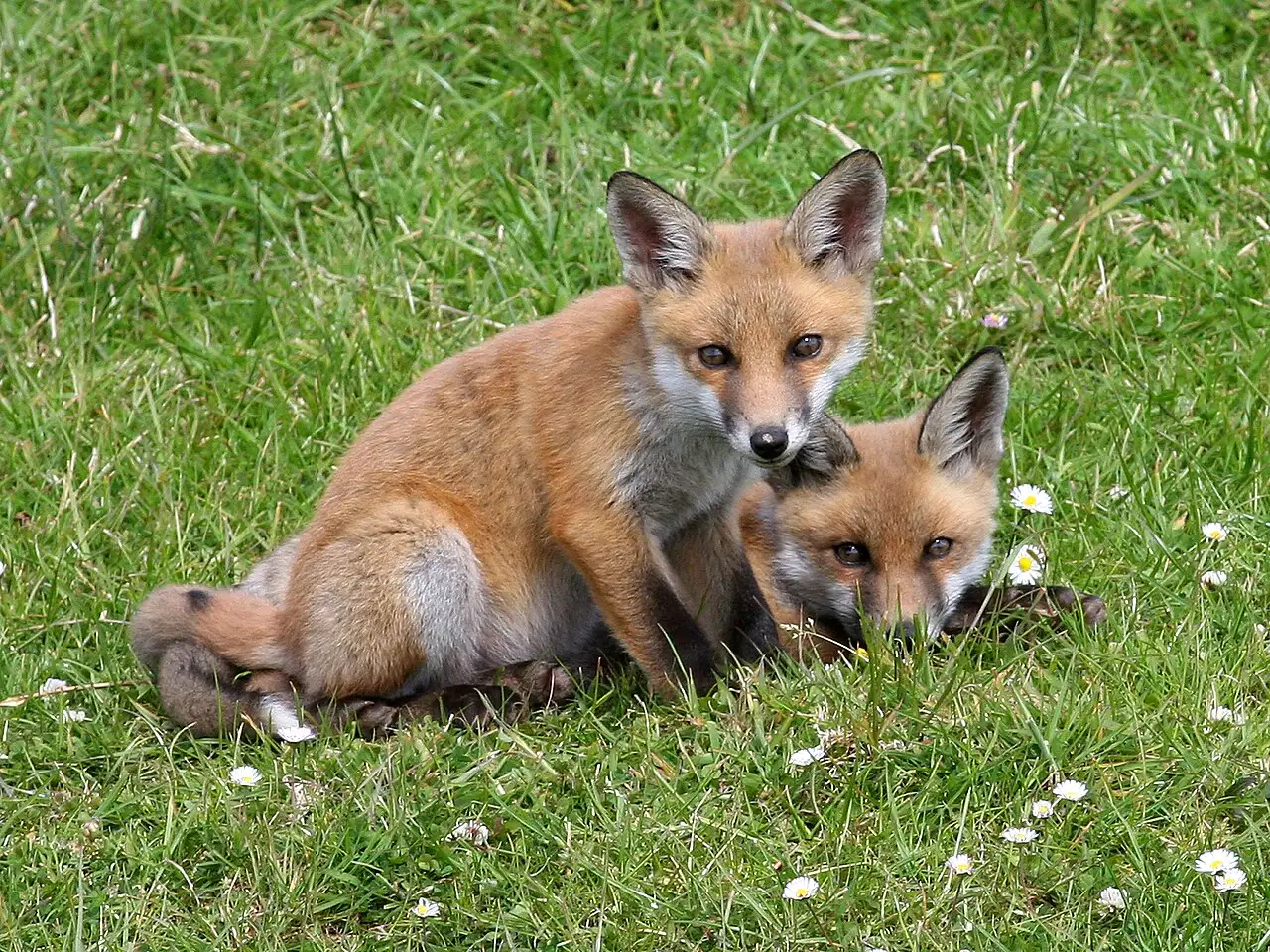
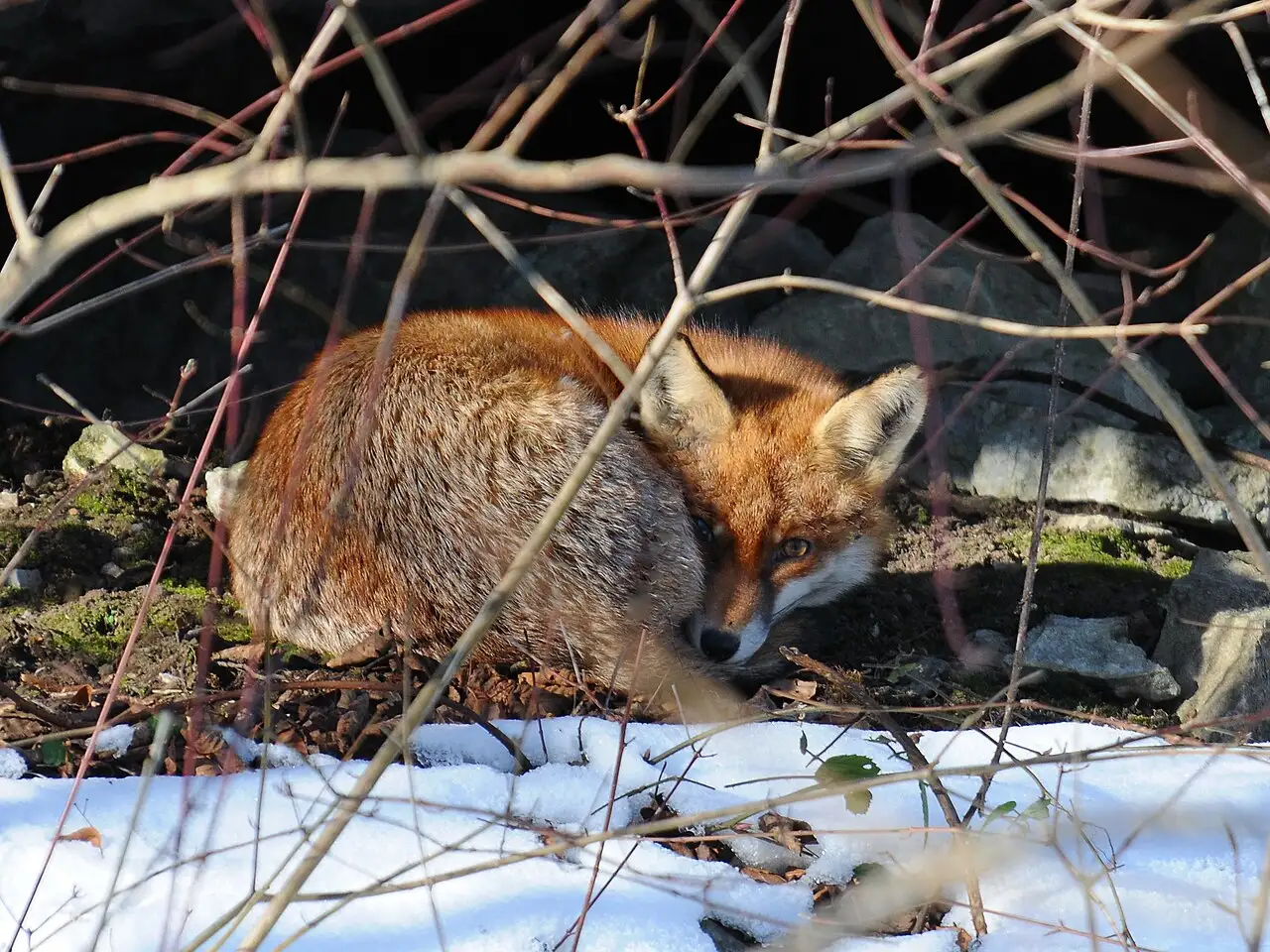
With the wolf gone, it is the only wild canid in the park. It weighs between 3 and 14 kilos depending on the individual and the area, and its long tail with a white tip is enough to recognise it even from afar.
Habitat and distribution of the Red Fox
It lives in almost any environment, from closed woodland to cultivated fields, and its generalist diet lets it use almost any resource. The map shows how widespread it is.
Areas where it is regularly recorded since 2010Squares of about 25 km where it is recorded regularly (occasional records are left out). Data from GBIF.org (489,408 records, retrieved October 2026); outline from Natural Earth.
Breeding of the Red Fox
At our latitudes it breeds between December and April, although most matings take place between January and February. Litter size depends on how well fed the female is, and the male helps to rear the cubs until they leave the den.
Diet of the Red Fox
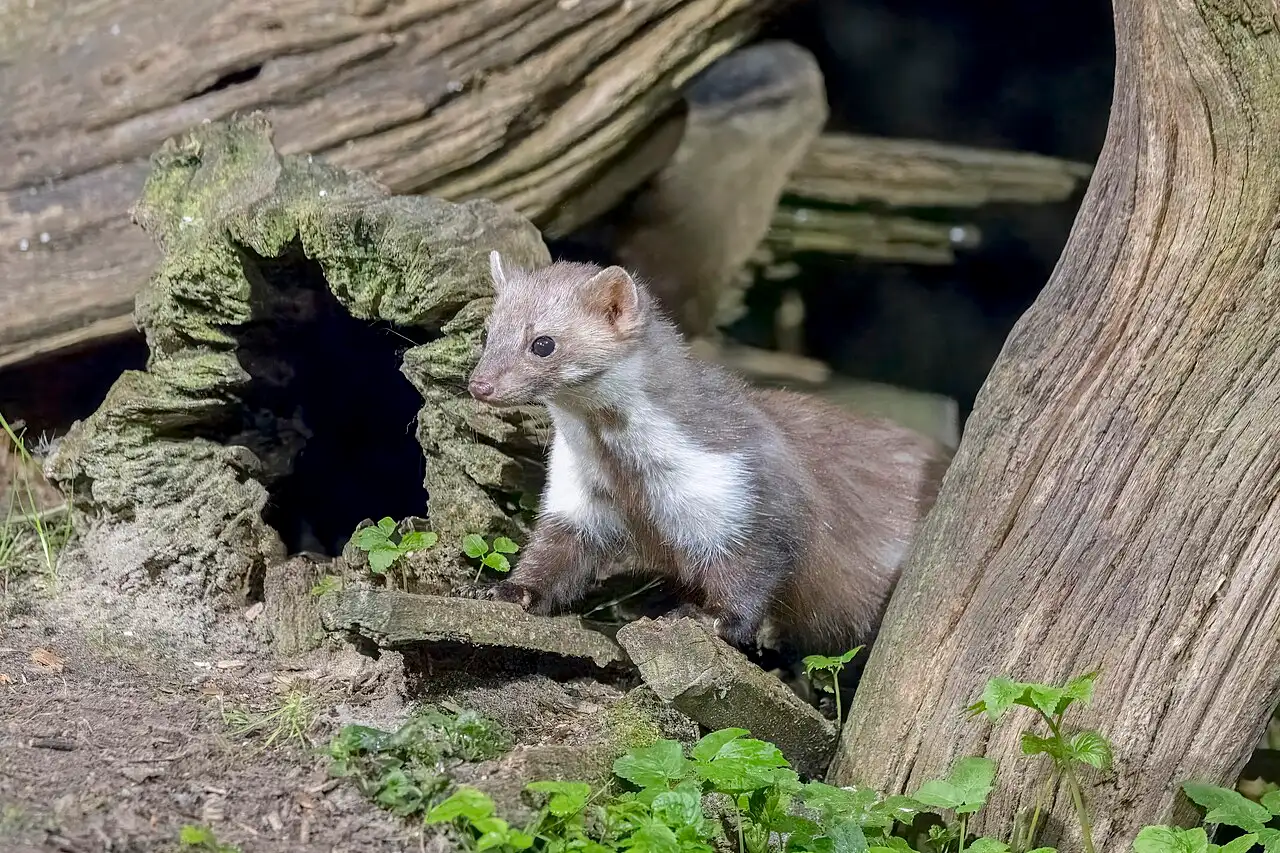
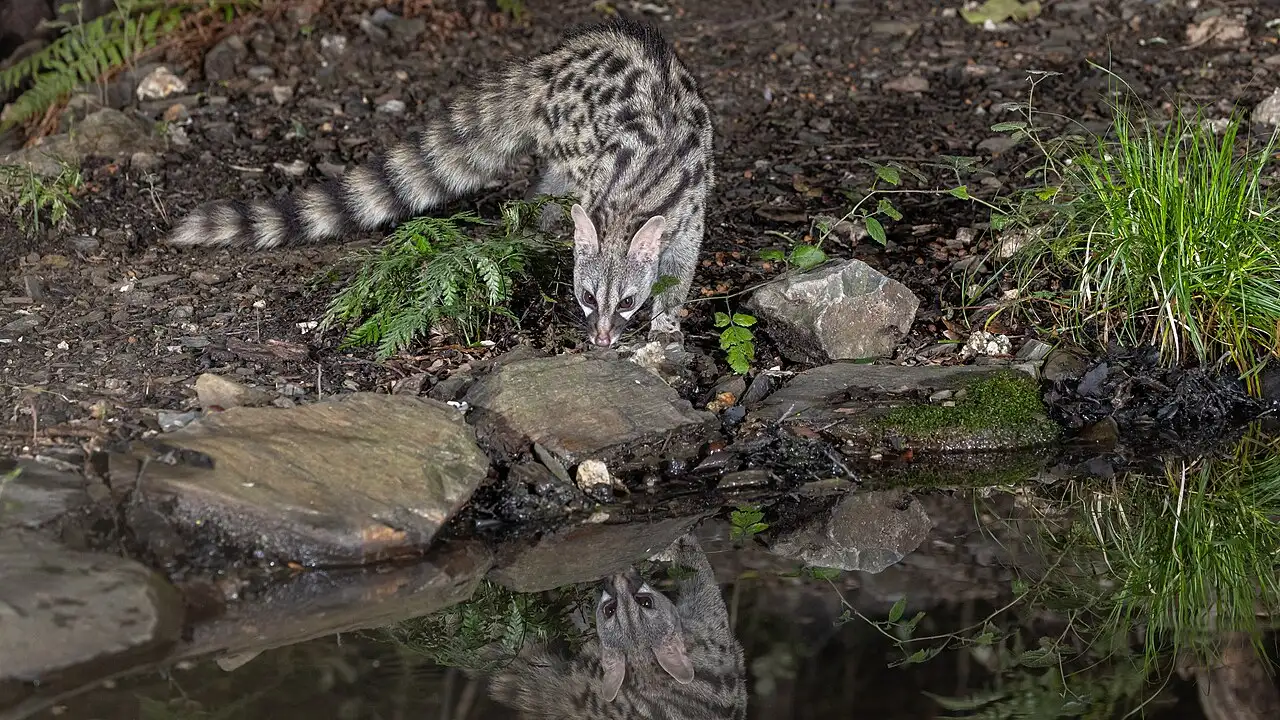
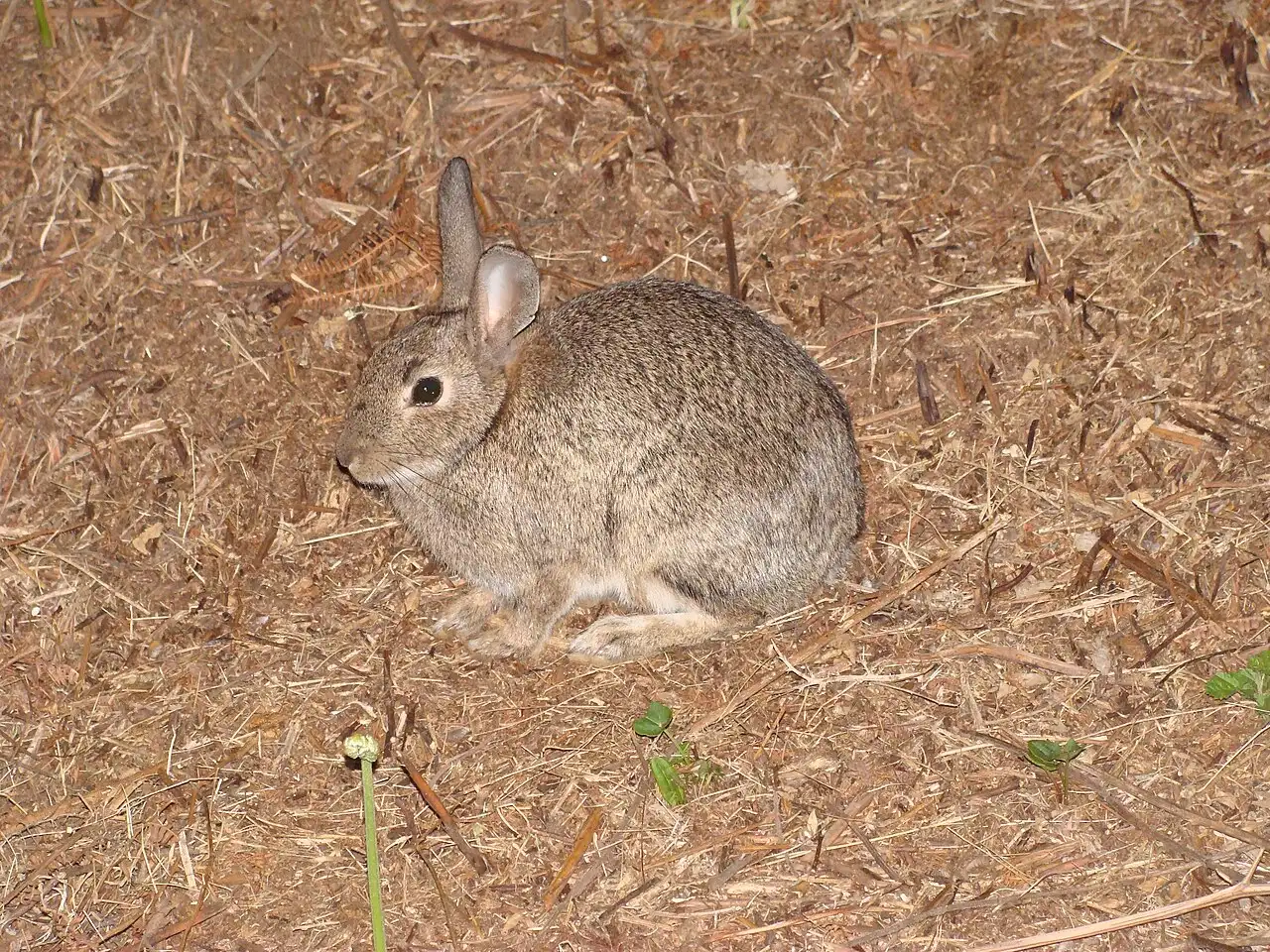
It is an opportunist: it hunts rabbits and small mammals, and rounds out its diet with fruit, reptiles, insects, earthworms, crayfish and fish depending on place and season. In Cabañeros, the field mouse is one of its important prey, as for the genet and the beech marten.
The Red Fox in Cabañeros
When the wolf and the lynx stopped regulating the community of carnivores, generalists took their place, the fox first. Today, according to the website, it is the most numerous carnivore in the park, ahead of the beech marten and the genet. The official guide cites it among the abundant ones, together with the wild boar.
An outbreak of canine distemper, which affected foxes, genets and beech martens, caused an explosion of the field mouse: a sample of how they balance one another.
Where to see the Red Fox in Cabañeros
When
All year.
What time
At dusk and at night; it is not unusual to see it by day.
Where
Crossing the raña or the woodland tracks, according to the park guide.
What to look for
A reddish silhouette with a long tail and a white tip, trotting in a straight line.
López-Martín, J. M. (2017). Zorro – Vulpes vulpes. En: Salvador, A. y Barja, I. (eds.), Enciclopedia Virtual de los Vertebrados Españoles. Museo Nacional de Ciencias Naturales (CSIC). vertebradosibericos.org
OAPN (2011). Guía de visita del Parque Nacional de Cabañeros. PDF
AnAge: The Animal Ageing and Longevity Database. Vulpes vulpes