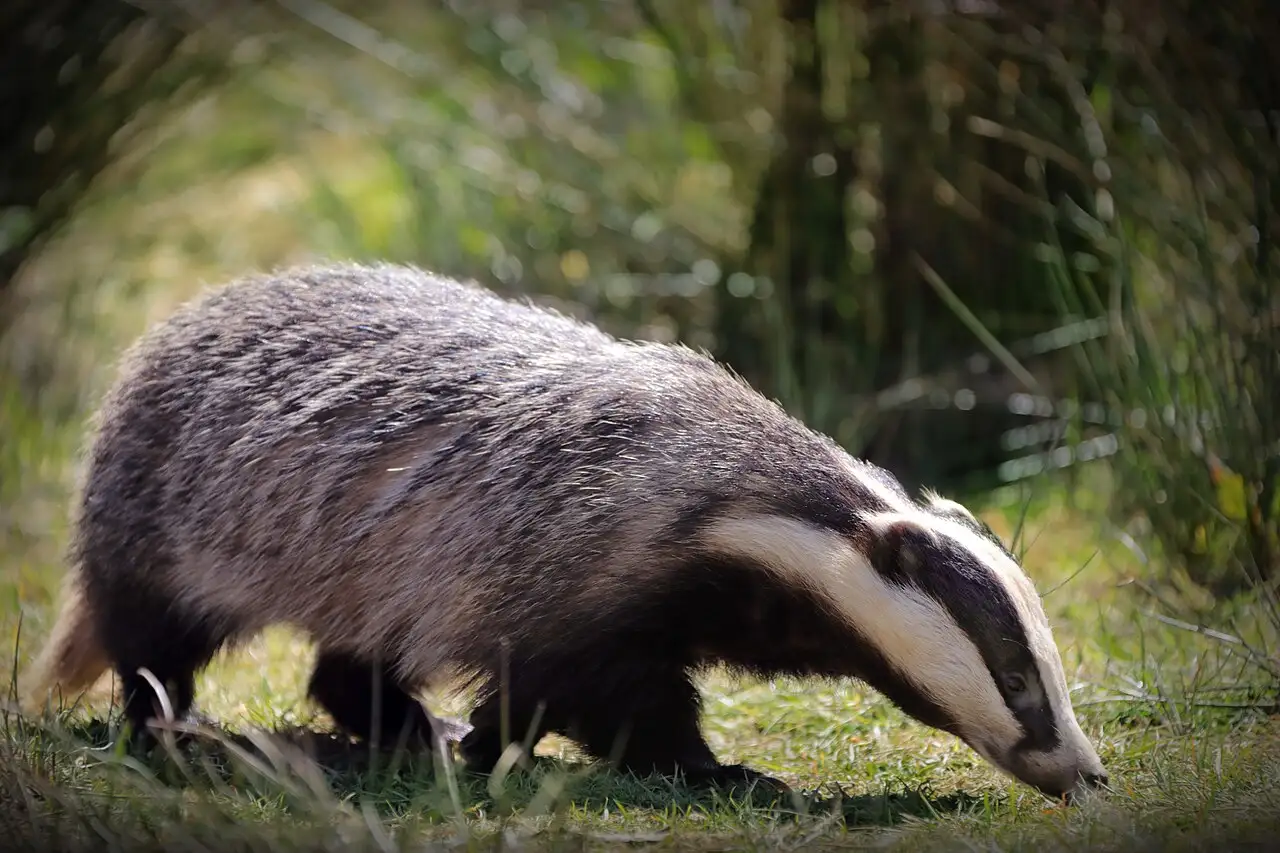
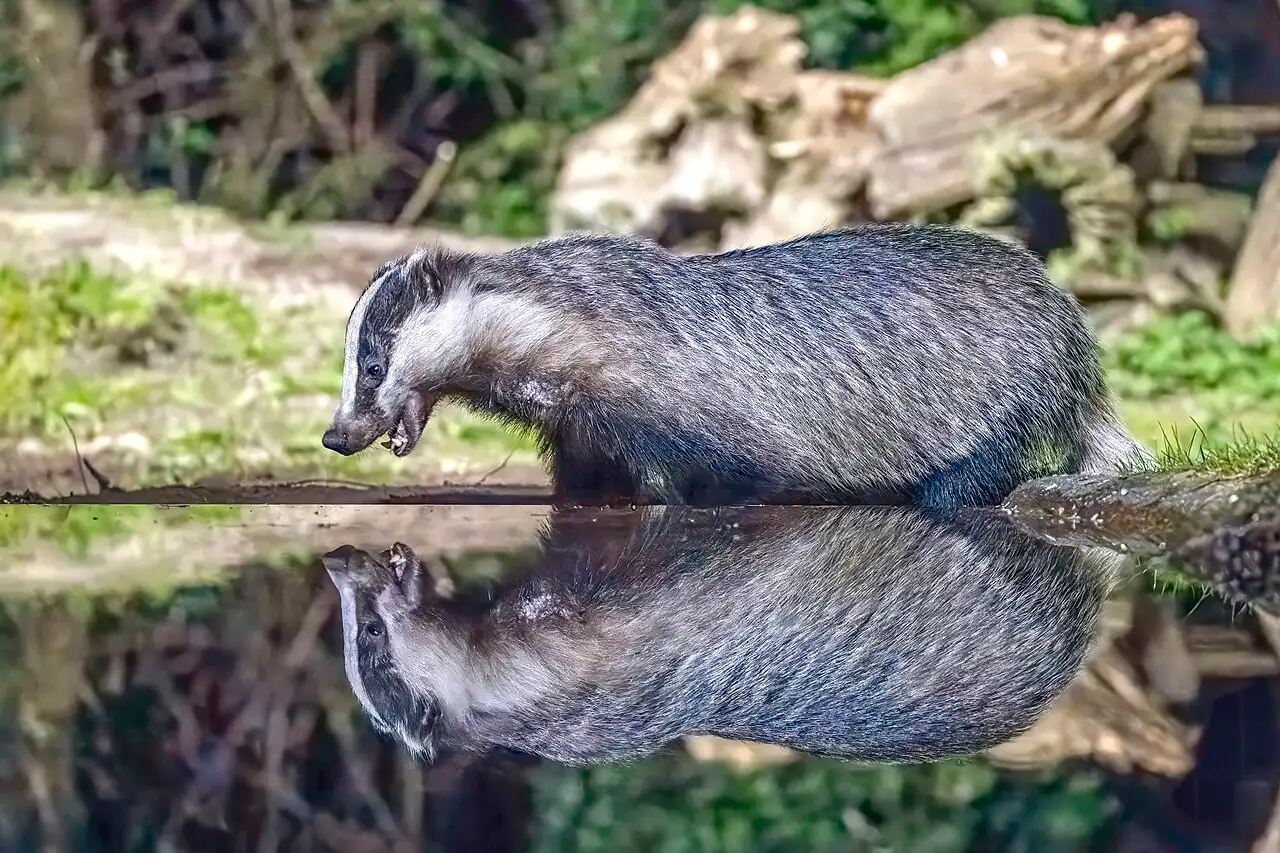
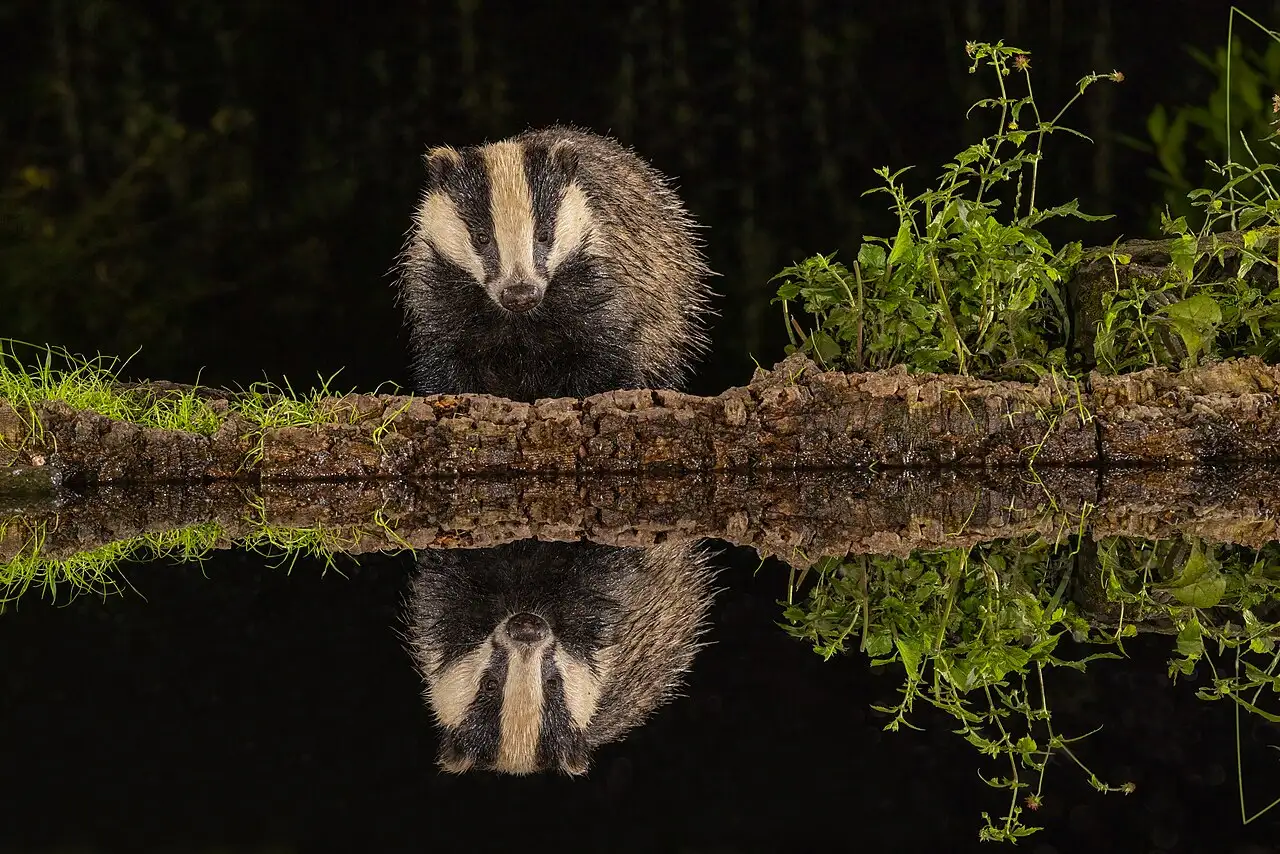
It measures 59 to 87 centimetres of head and body and weighs between 4.8 and 9.8 kilos. It is unmistakable by its striped face, but is very rarely seen: it is nocturnal and spends the day in its galleries.
Habitat and distribution of the European Badger
It lives in woods, scrub and groves with soils where it can dig its setts. It is especially rare in areas of intensive farming, where it survives only in well-preserved riverside groves or in woodland remnants.
Areas where it is regularly recorded since 2010Squares of about 25 km where it is recorded regularly (occasional records are left out). Data from GBIF.org (12,482 records, retrieved October 2026); outline from Natural Earth.
Breeding of the European Badger
It has delayed implantation: the embryo does not implant until months after mating. Matings peak in winter, in December and January, just after the births of the previous year’s litters.
Diet of the European Badger
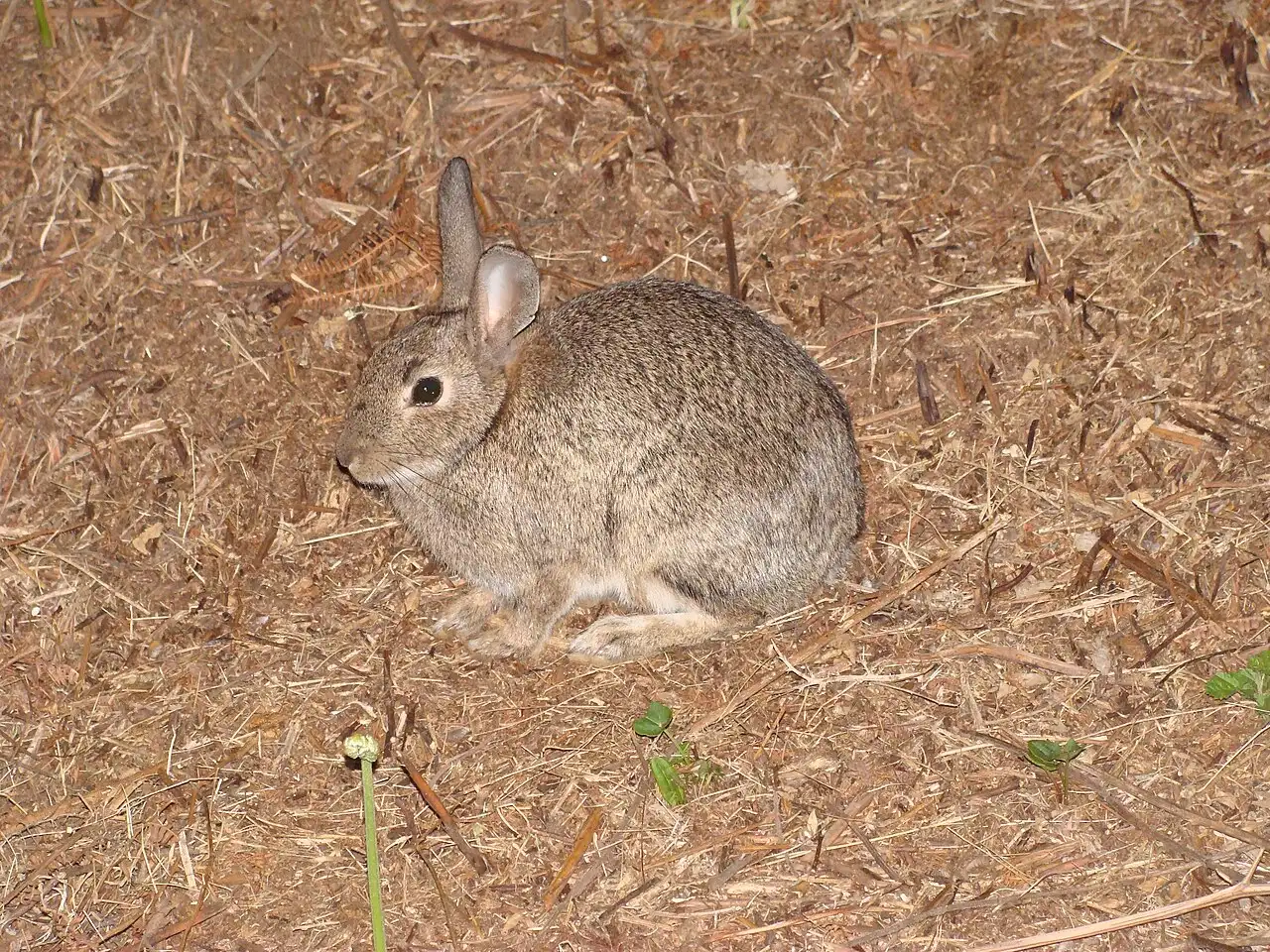
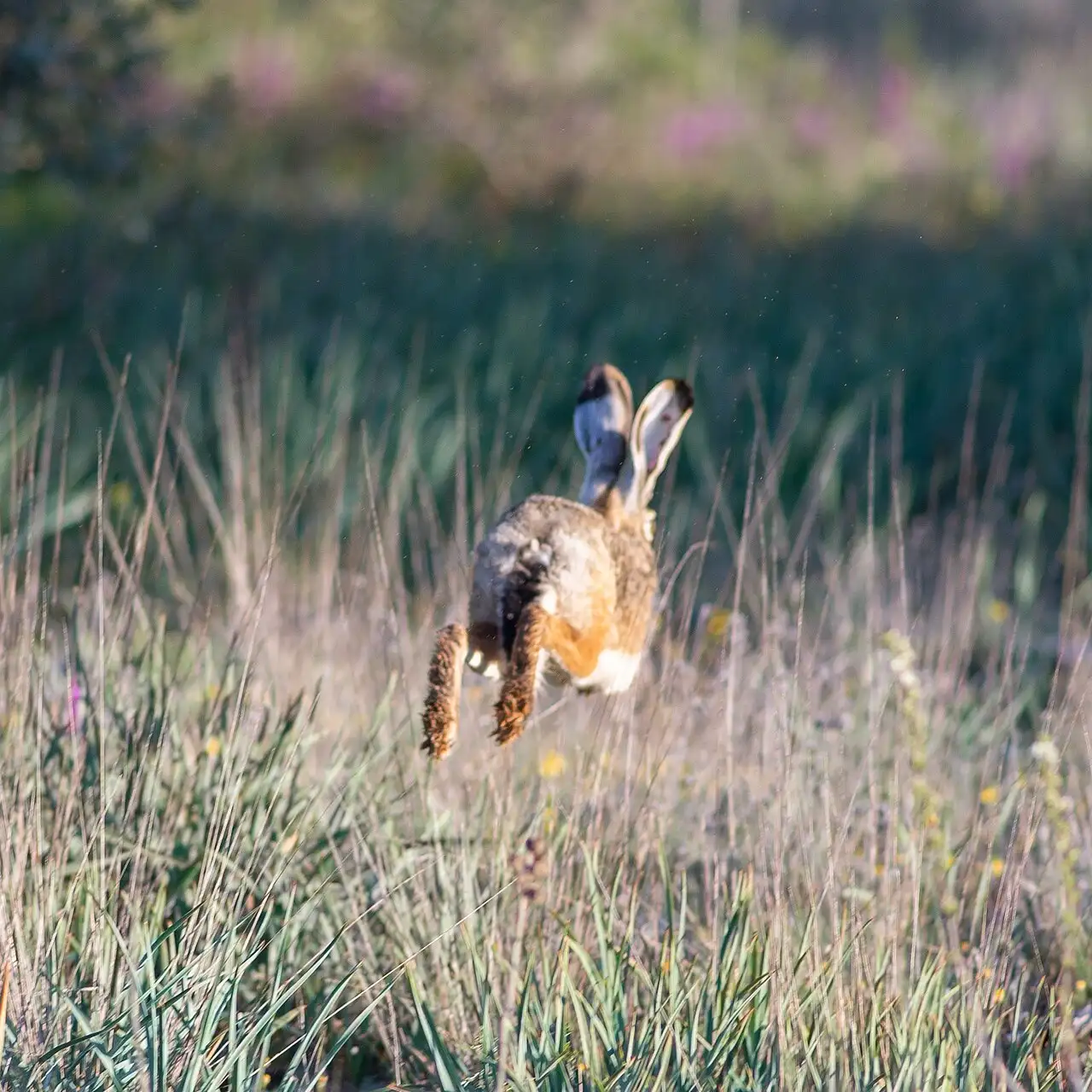
It is omnivorous and digs a lot to look for food. The park guide cites it, together with the wild boar, among the predators of the rabbits that live on the surface in Cabañeros, because the hard soils do not let them make deep burrows.
The European Badger in Cabañeros
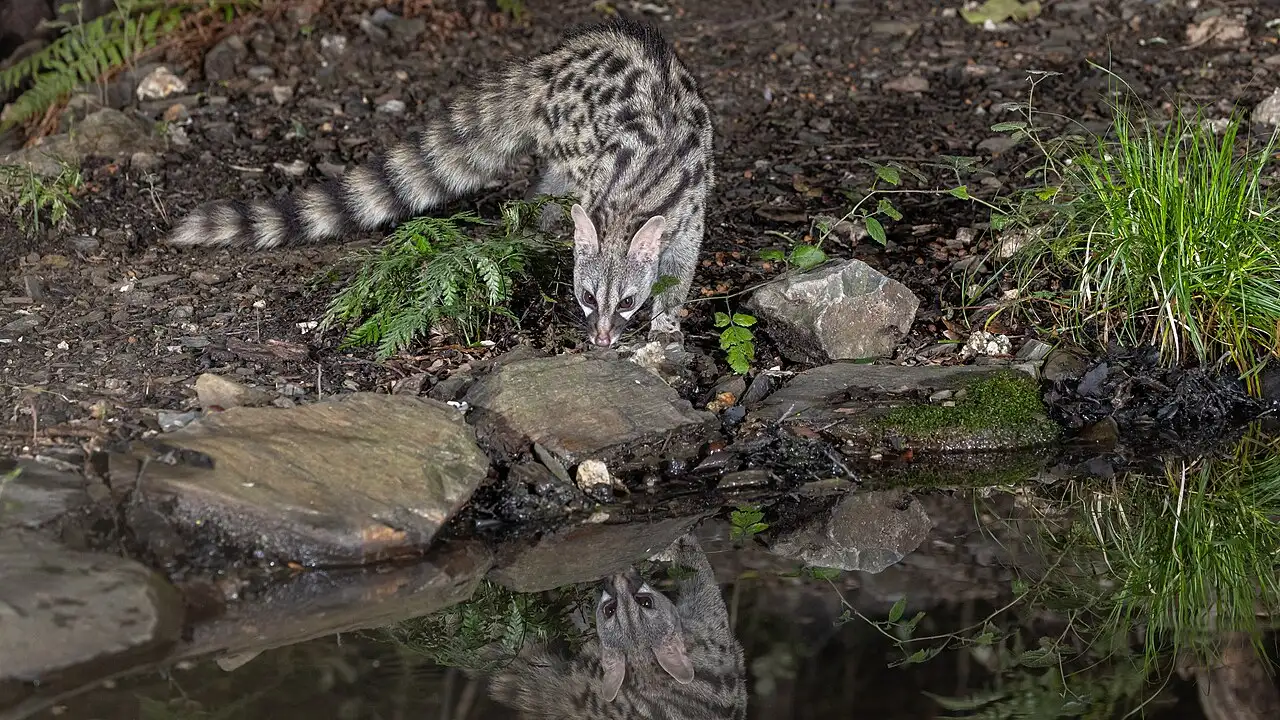
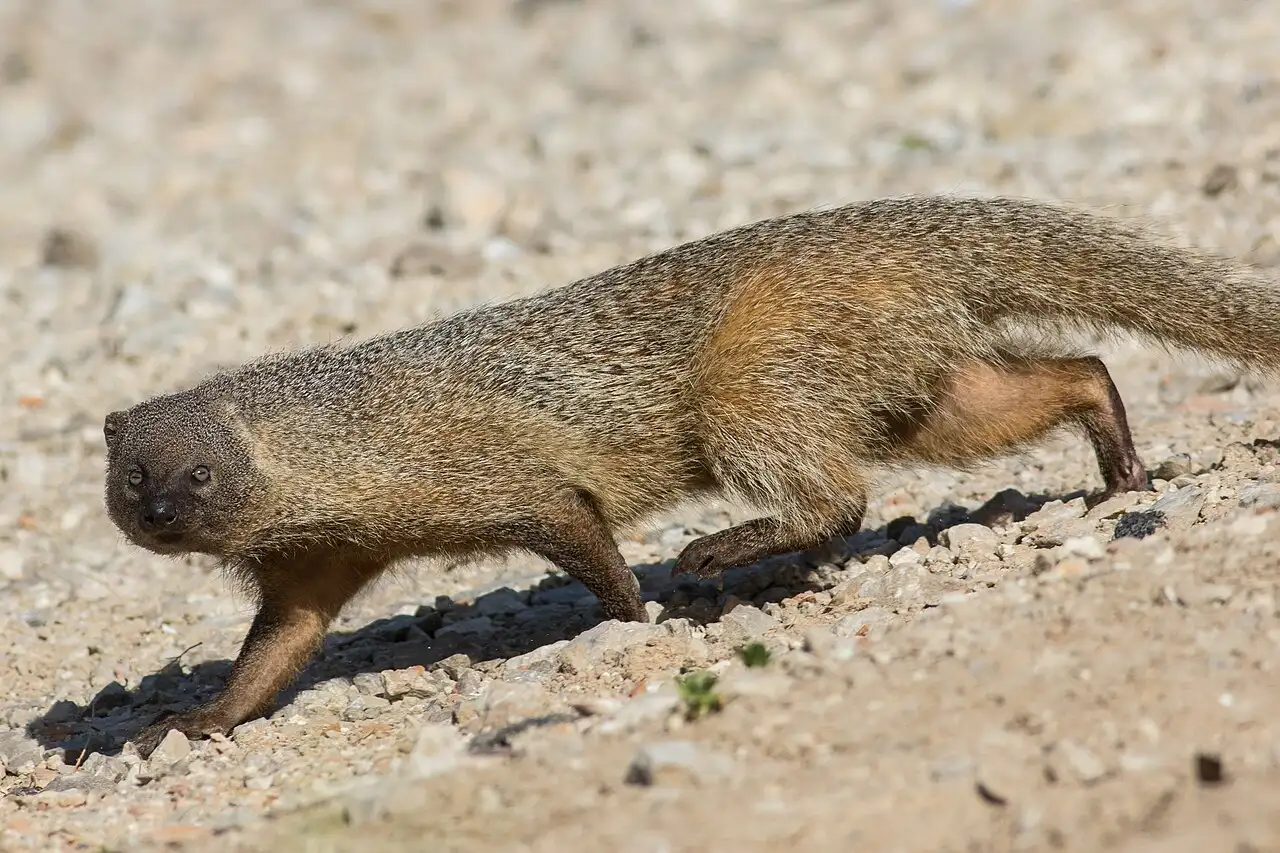
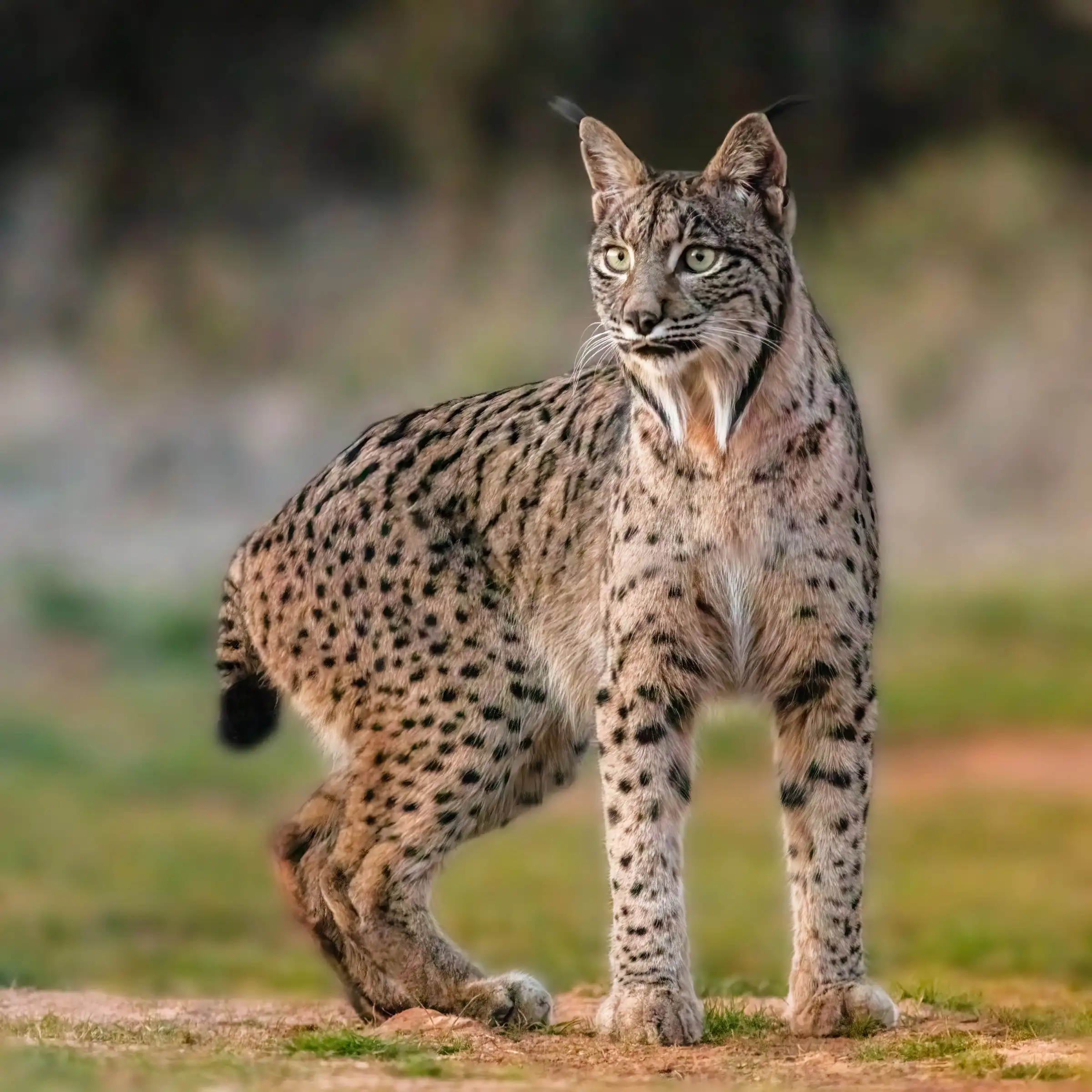
The website places it among the least numerous carnivores in the park, ahead of the mongoose and the lynx, and warns that there are hardly any data on it. The guide cites it in the closed woodland of peonies and hawthorns, alongside cats, genets and mongooses.
Can it be seen in Cabañeros?
Very rarely. It is easier to find its signs: earth turned over in search of earthworms and roots, marked paths and the mouths of the setts.
Virgós, E. (2017). Tejón – Meles meles. En: Salvador, A. y Barja, I. (eds.), Enciclopedia Virtual de los Vertebrados Españoles. Museo Nacional de Ciencias Naturales (CSIC). vertebradosibericos.org
OAPN (2011). Guía de visita del Parque Nacional de Cabañeros. PDF
AnAge: The Animal Ageing and Longevity Database. Meles meles