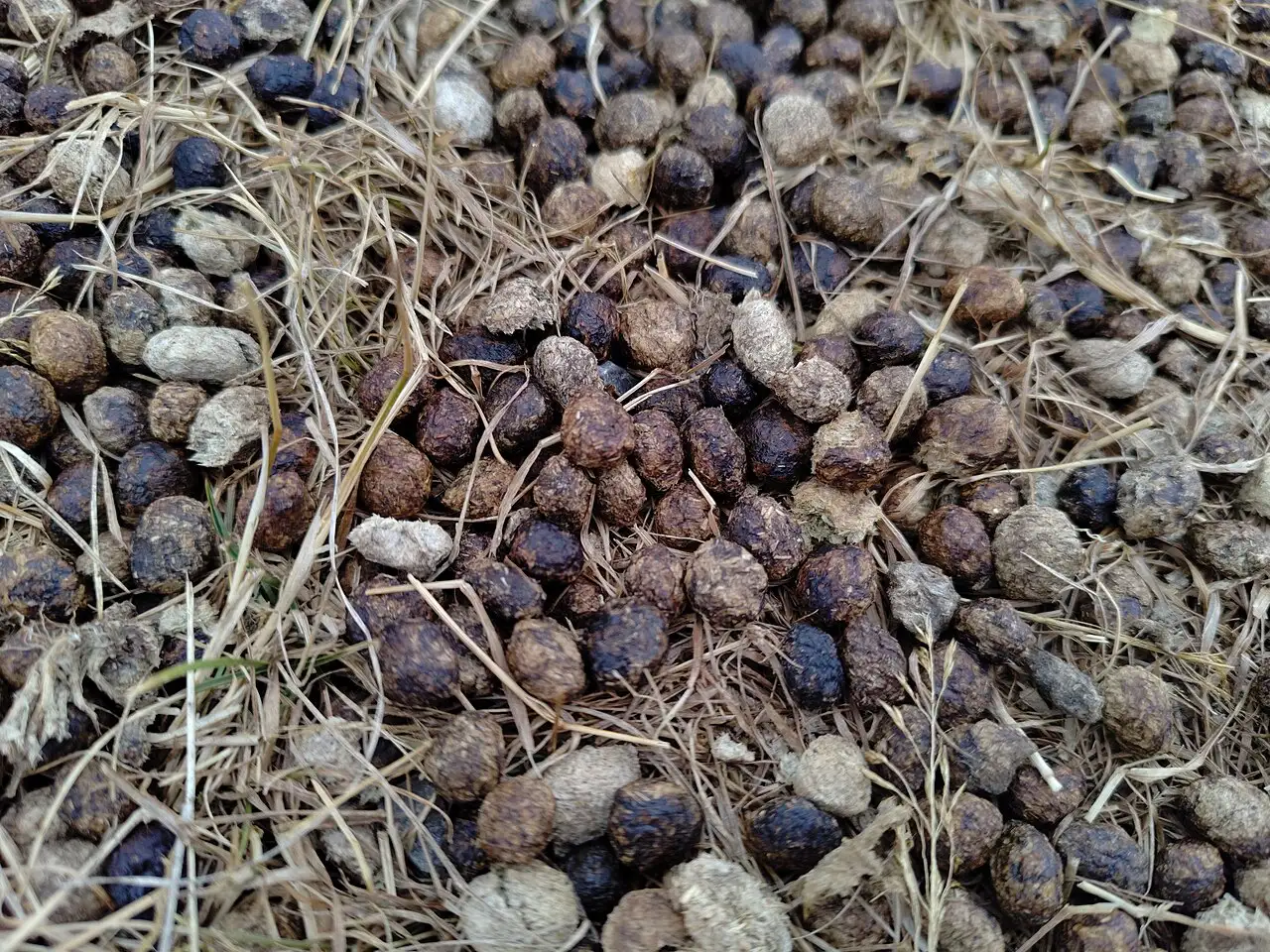
A rabbit latrine: heaps of round droppings, its most typical signPhoto: DidierFy, CC BY-SA 4.0Photo 3 of 3
1 / 3
Identification of the European Rabbit
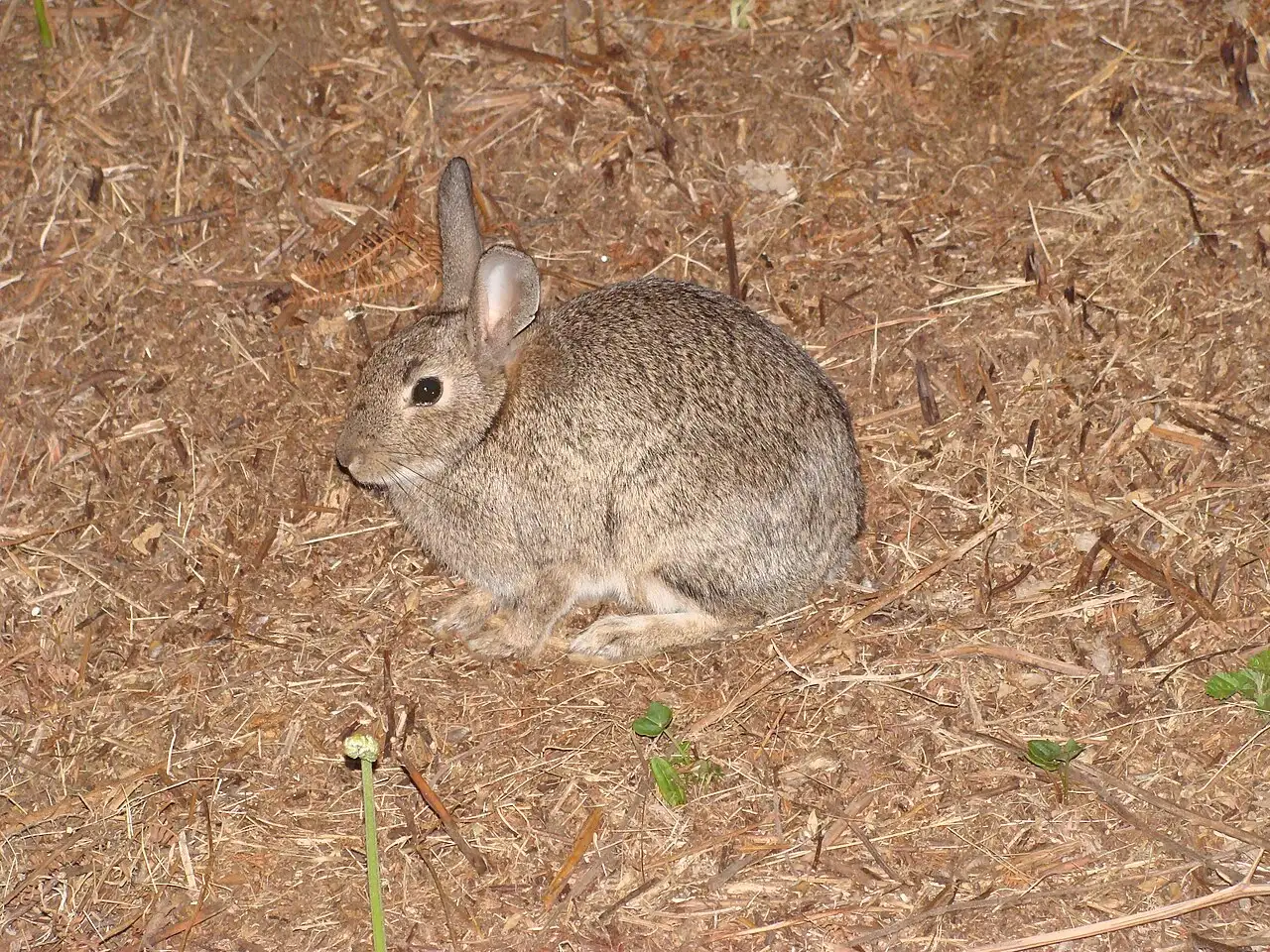
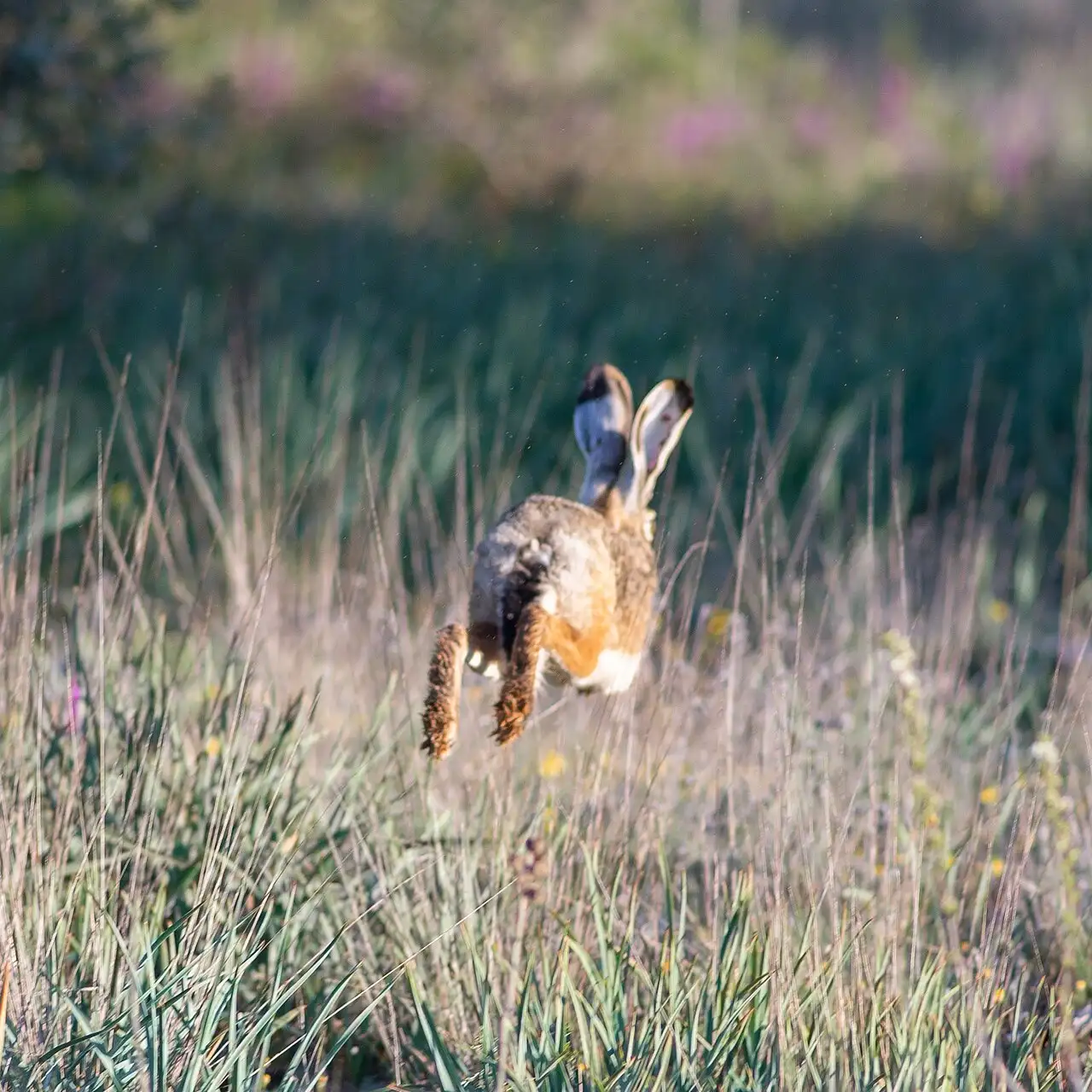
The wild rabbit is a small lagomorph, greyish brown, with ears shorter than the hare’s. Its easiest sign to recognise is the latrines, where the colony leaves its droppings.
Habitat and distribution of the European Rabbit
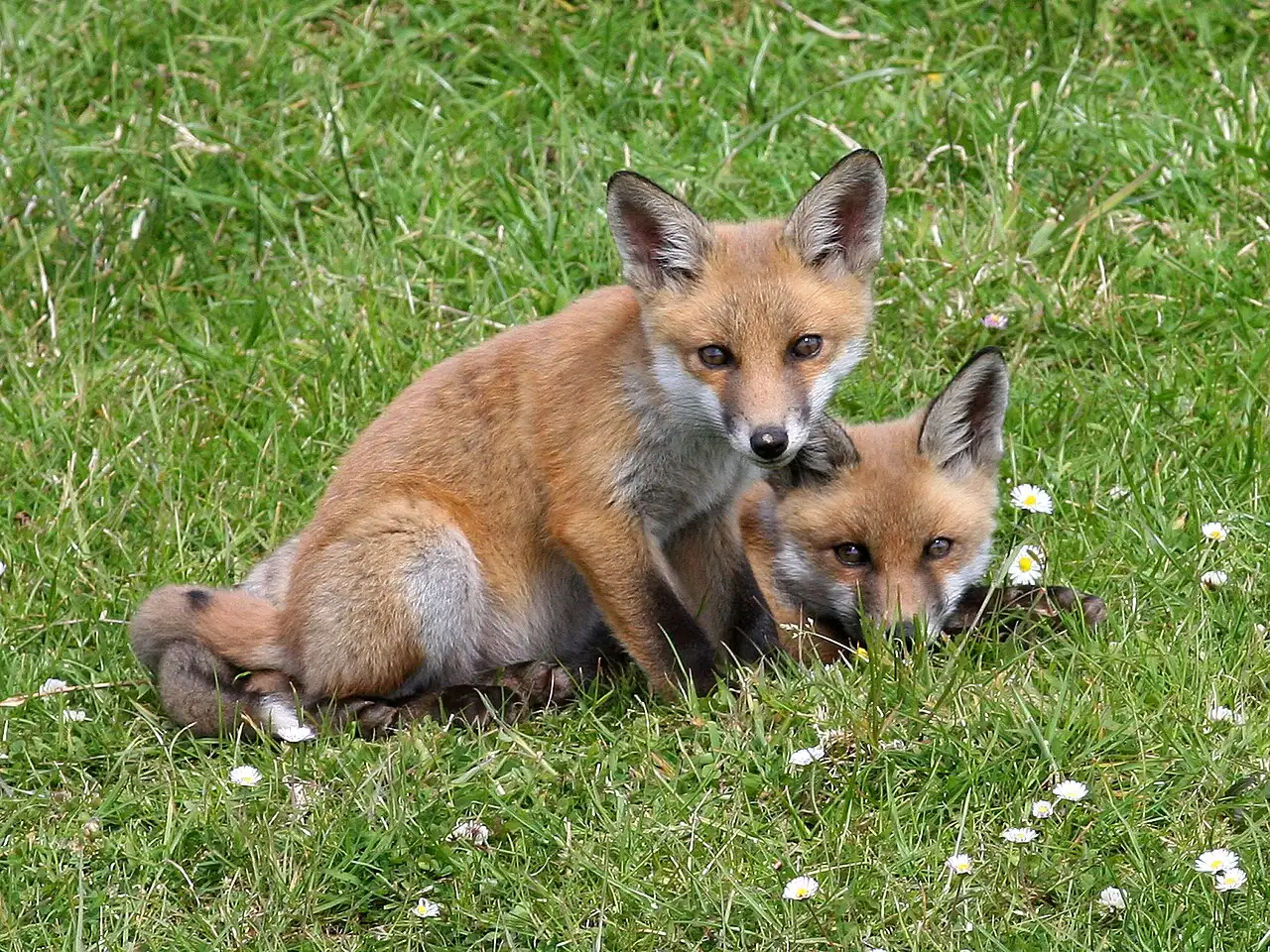
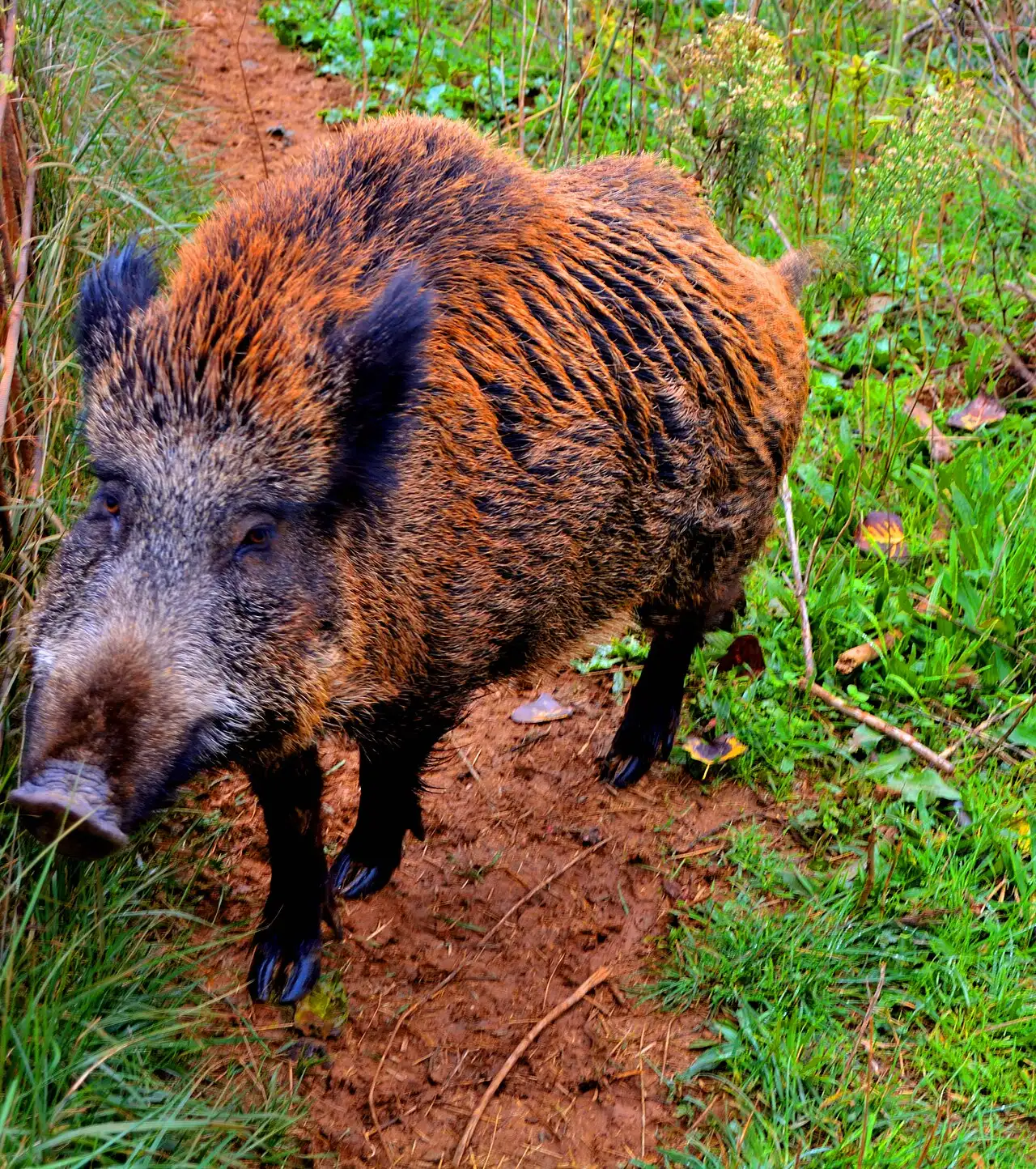
It needs a mosaic of scrub to shelter in and clearings with pasture. It usually digs burrows, but in Cabañeros, according to the guide, many rabbits are «surface» rabbits and shelter in the scrub because the soils are hard, clayey and stony. Where they try to dig it is hardly enough for «gazaperas», small breeding burrows that are used only once and leave the young at the mercy of the fox, the wild boar and the raptors.
Areas where it is regularly recorded since 2010Squares of about 25 km where it is recorded regularly (occasional records are left out). Data from GBIF.org (33,154 records, retrieved October 2026); outline from Natural Earth.
Breeding of the European Rabbit
Gestation lasts about thirty days and litters are usually three to six young, although if food is short the female can reabsorb the foetuses. The young leave the burrow at three weeks and mature between four and nine months.
Diet of the European Rabbit
Herbivore: grasses, shoots, leaves and roots.
The European Rabbit in Cabañeros
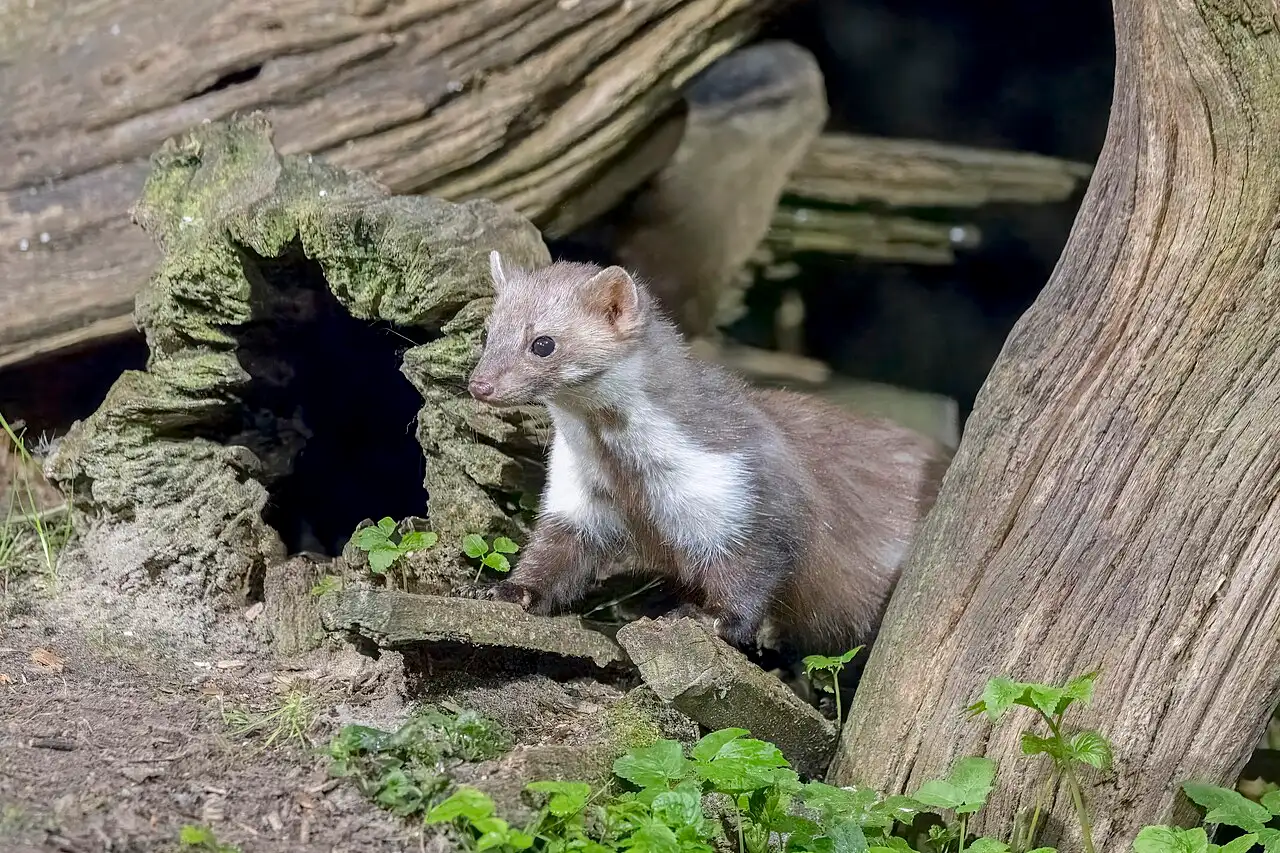
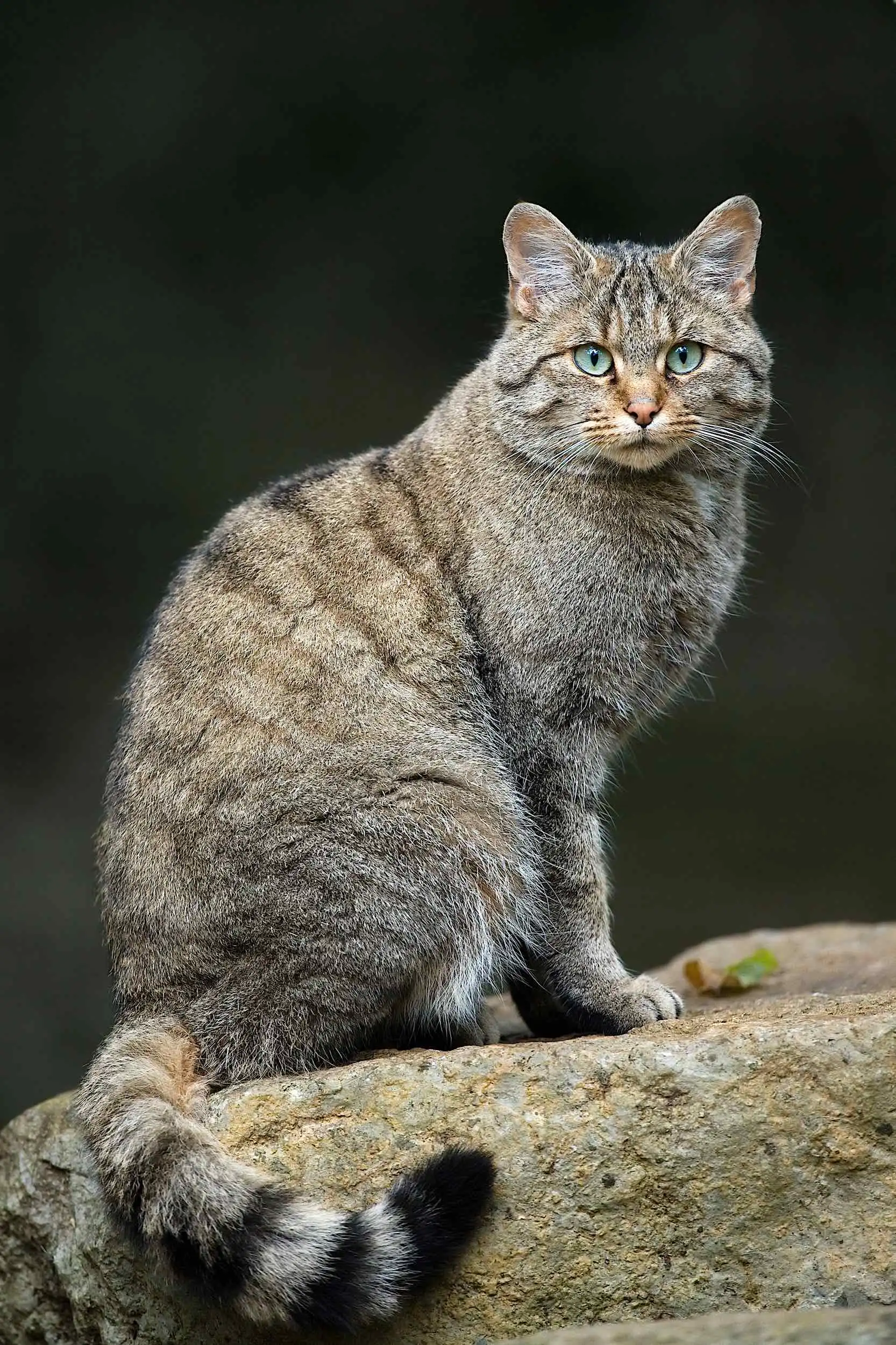
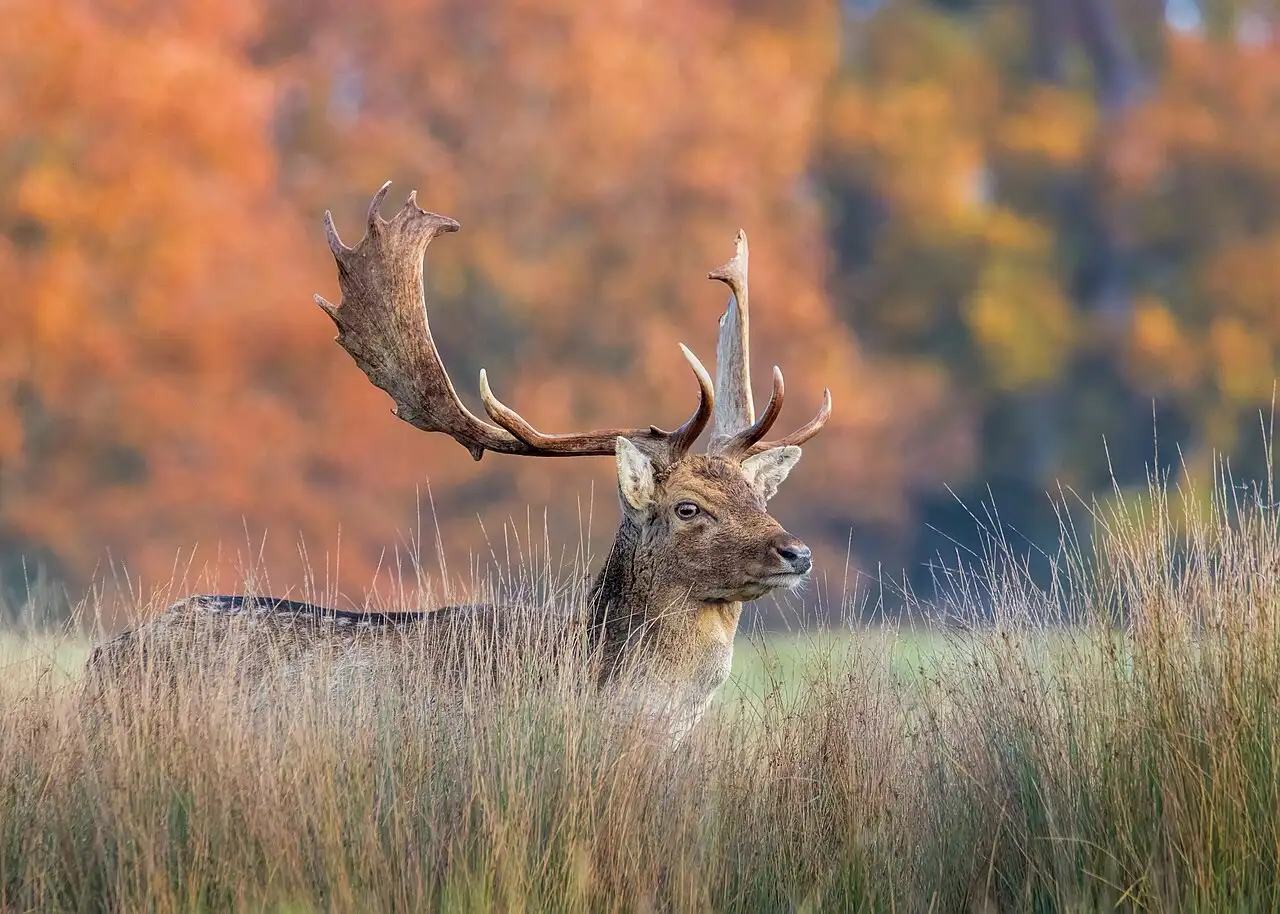
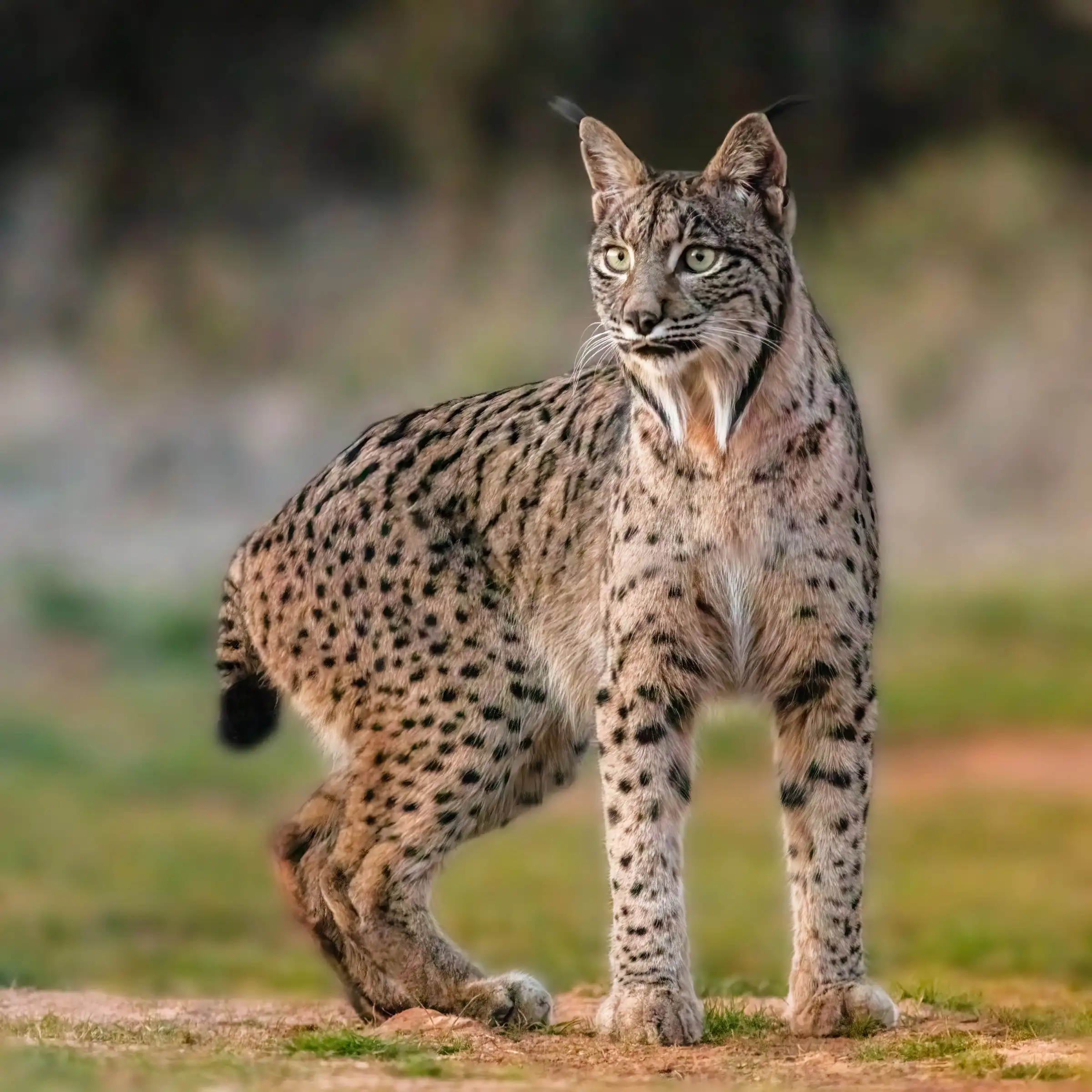
It is a key species: the link between plants and predators. More than forty species eat it, and some depend on it, such as the Iberian Lynx, the European Wildcat and the Spanish Imperial Eagle.
At the end of the last century it was at a minimum. Myxomatosis and rabbit haemorrhagic disease, usually known by its English initials, RHD, were added to changes in the woodland (crops and plantations) and to the pressure of predators on surface rabbits. Scarce, fragmented populations remained, sheltering in the mountains. Where few remain, predators hold back their recovery: this is the so-called «predator pit».
Forty years of warrens
A warren is the set of tunnels and chambers where a colony of rabbits lives and breeds. Since in Cabañeros the ground does not let them dig it, the park has been building it for them since 1989, with more failures than successes until it found the formula. The park newsletter of May–June 2026 reviews the stages:
1989: the first dozen warrens are built, dug by machine and with stones to form the chambers, and 40 rabbits brought from Toledo are released. It failed: RHD arrived and the rabbits had not been vaccinated.
1992–1993: the work moves to the raña, next to the Casa de las Guarreras, with protected enclosures far from the scrub and sowings at the edges. They escaped some of the ground predators, but on the flat they were exposed to raptors and wild boar.
2001–2007: breeding enclosures, electric fencing, feeders, drinkers, fallows and controlled releases. Inside the fence there were rabbits; outside, populations did not sustain themselves.
2012–2018: with the LIFE Iberlince project came the design that worked: warrens made with six modified wooden pallets, buried and sealed so that predators cannot get in, with pasture sown beside them. They withstand red deer and wild boar, and rabbit density soared.
2020: the Organismo Autónomo Parques Nacionales commissions the work to be maintained and improved. The idea is not to release many rabbits, but to create high-density points with pallet warrens and pastures, well connected with each other.
2021–2024: the work is concentrated on the corridors along which the lynx moves, such as the gullies and the edges between woodland and pasture, and between 2023 and 2024 habitat is improved in Cabañeros and Quintos de Mora with the European project Life LynxConnect.
Today: there are enough rabbits for the lynx to stay. Uvita and U2, the park’s first territorial pair, bred there in 2026 (we tell it in the Iberian Lynx page).
Can it be seen in Cabañeros?
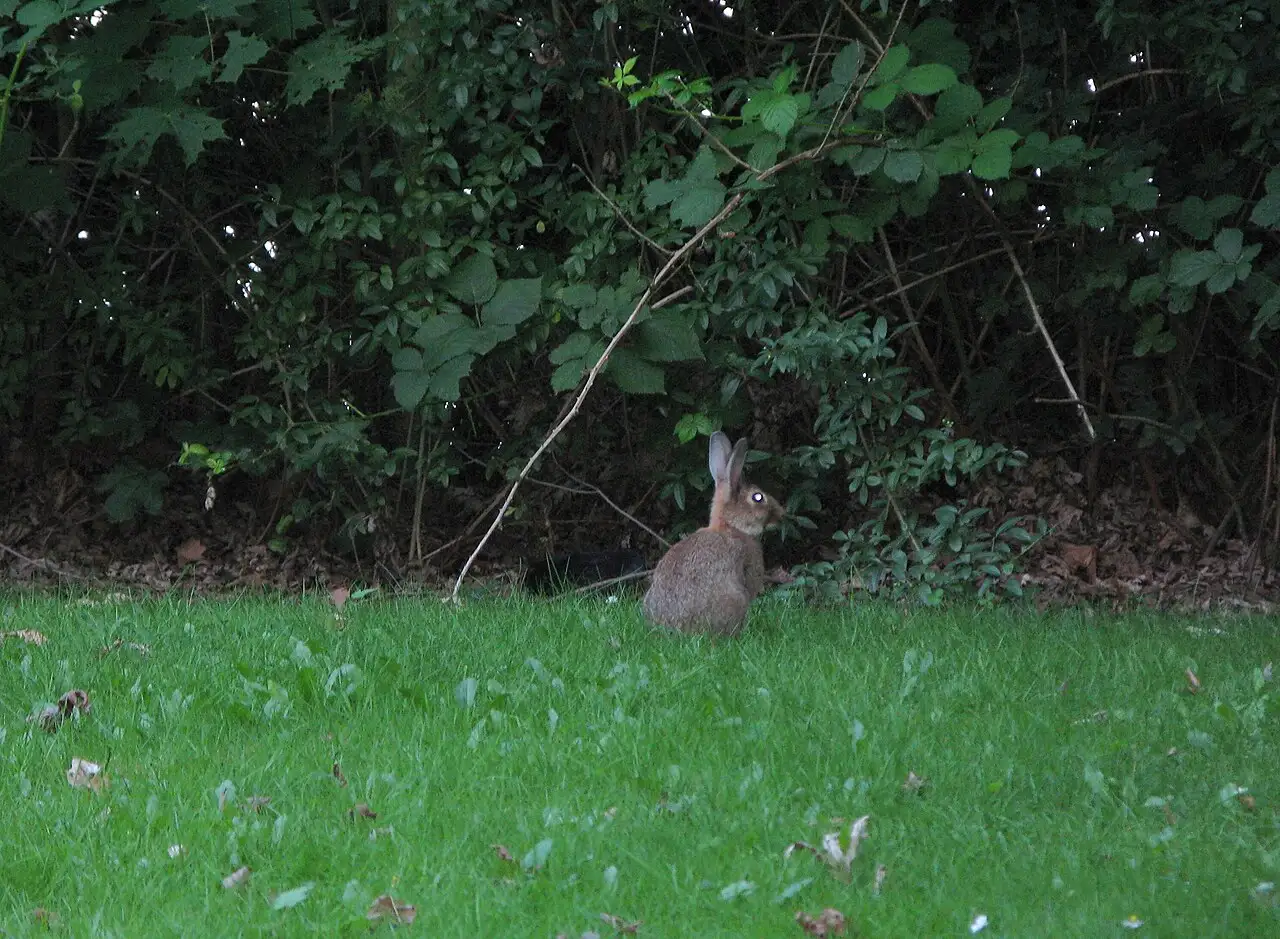
It is not easy. If you look for it, better at the edges of the scrub at dusk, and watch for latrines.
Gálvez-Bravo, L. (2017). Conejo – Oryctolagus cuniculus. En: Salvador, A. y Barja, I. (eds.), Enciclopedia Virtual de los Vertebrados Españoles. Museo Nacional de Ciencias Naturales (CSIC). vertebradosibericos.org
OAPN (2011). Guía de visita del Parque Nacional de Cabañeros. PDF
Newsletter «Desde el parque», Cabañeros National Park (OAPN), May–June 2026: «Linces y conejos: el reequilibrio de Cabañeros». All the newsletters.